

Close Menu

    Subscribe to Updates

    Get the latest creative news from FooBar about art, design and business.

    What's Hot

    Minnesota vs. Purdue Prediction, Odds, Picks for College Football Week 6

    AG Blanche, other high-level DOJ appointees can take part in political campaigns, memo says

    Anthropic reports new AI misbehaviour on government sites and fake police tip on unsolved homicide

    Facebook X (Twitter) Instagram
    Facebook X (Twitter) Instagram Pinterest VKontakte
    Sg Latest NewsSg Latest News
    • Home
    • Politics
    • Business
    • Technology
    • Entertainment
    • Health
    • Sports
    Sg Latest NewsSg Latest News
    Home»Technology»Neanderthal wooden tools from Spain found preserved in stone
    Technology

    Neanderthal wooden tools from Spain found preserved in stone

    AdminBy AdminNo Comments
    Facebook Twitter Pinterest LinkedIn Tumblr Email
    Share
    Facebook Twitter LinkedIn Pinterest Email


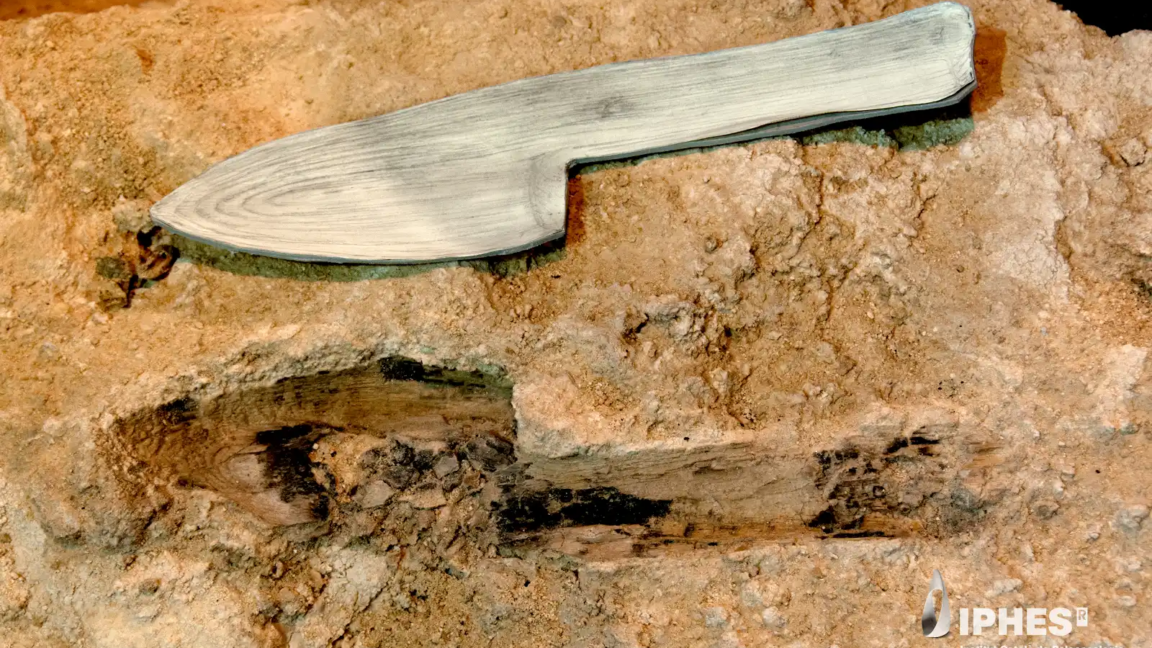
    The Stone Age owes its name to tools that survived to our time. The material early humans worked with most, though, was probably wood because it is so much easier to process. Unfortunately, we know very little about Paleolithic woodwork because wood rots relatively quickly. But at Abric Romaní, a rock shelter in Capellades, west of Barcelona, mineral-rich water coated wooden Neanderthal tools in a limestone-like crust. When wood rotted away, it left behind hollow molds that faithfully reflect its shape.

    In a recent Science Advances study, a team of Spanish archaeologists has cataloged 597 wooden remains from Neanderthal living areas dating from 62,000 to 40,000 years ago. They found spears, digging sticks, bark trays, parts of shelters, and a club unlike anything seen before, suggesting Neanderthals were likely much more than just Homo sapiens’ dumber cousins.

    Beyond hunting gear

    The oldest wooden artifacts we have are mostly weapons. They include spears from a German town called Schöningen, a spear tip from Clacton-on-Sea in England, and the spear found alongside an elephant skeleton in Lehringen, Germany. Most came from waterlogged sediments, where a lack of oxygen slowed decay.

    The spears mostly give us information about how Neanderthals hunted. The findings at Abric Romaní are different because the finds come from a place where Neanderthals lived, slept, cooked, and made tools over the course of some 20,000 years.

    “We have a sample of wooden tools for different subsistence activities, not only hunting,” says M. Gema Chacón, an archaeologist at the Catalan Institute of Human Paleoecology and Social Evolution (IPHES-CERCA) and co-author of the study. Because wood turns up in level after level, it shows that woodworking was routine for Neanderthals rather than an occasional one-off.

    Share. Facebook Twitter Pinterest LinkedIn Tumblr Email
    Admin
    • Website

    Related Posts

    Redesign your new M6 Mac mini for 2026 with these colorful wraps

    OpenAI fires 3 safety researchers in dispute over AI risks

    Access Denied

    Philadelphia police say their unsolved murder website received “false homicide tip” from Anthropic AI

    Add A Comment
    Leave A Reply Cancel Reply

    Editors Picks

    Singapore overtaken by Ningbo-Zhoushan as second busiest container port in H1

    As supply shocks multiply, monetary policy will shape corporate resilience

    Apple Watch Series 12 features leaked ahead of Apple’s fall event

    Sg Latest News
    Facebook X (Twitter) Instagram Pinterest Vimeo YouTube
    • Get In Touch
    © 2026 SglatestNews. All rights reserved.

    Type above and press Enter to search. Press Esc to cancel.