


Published Fri, Jul 24, 2026 · 08:29 PM
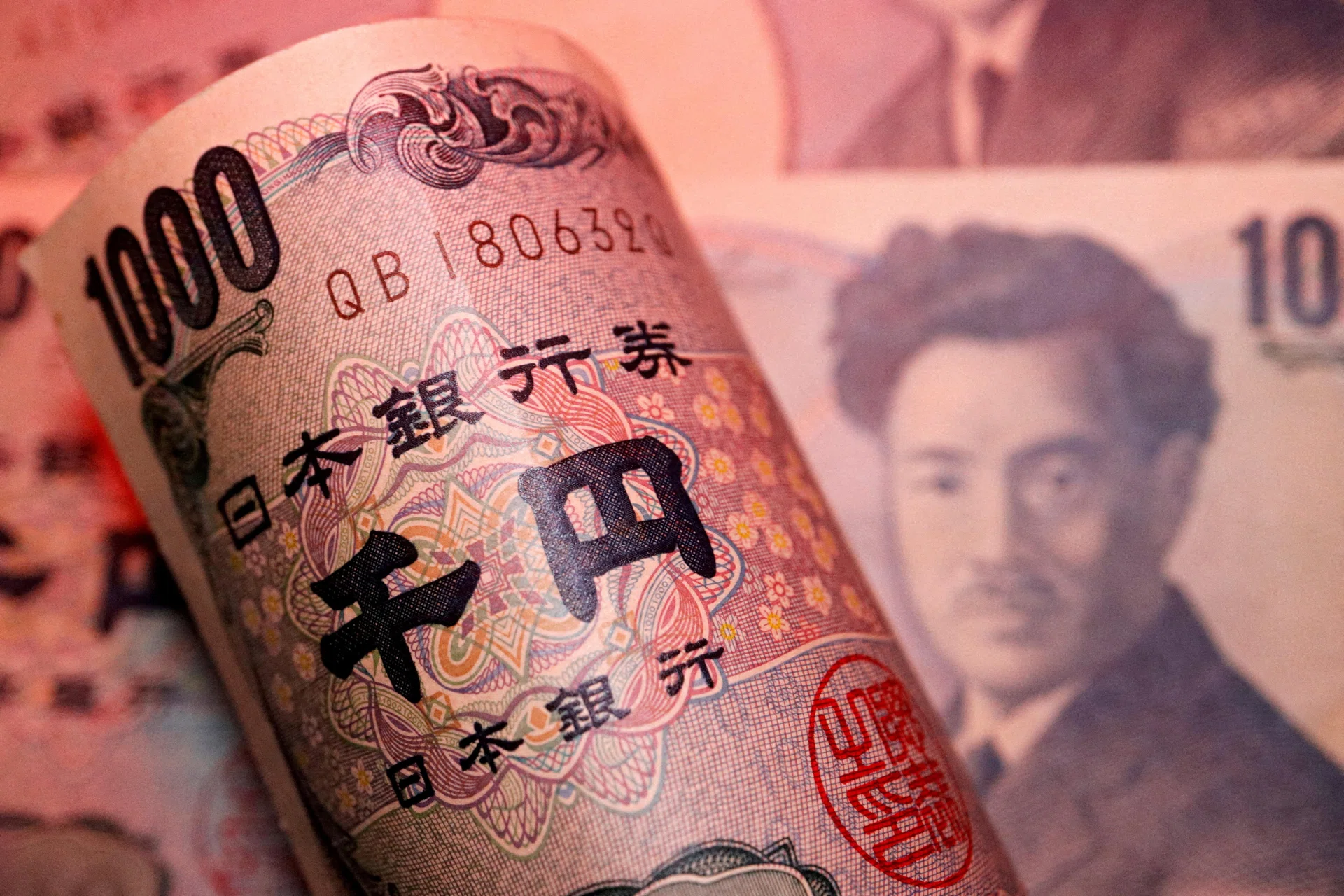
[LONDON] The yen was on course for its steepest weekly decline since May on Friday (Jul 24), capping a turbulent stretch that has sent the currency to new 40-year lows versus the dollar despite Japan’s pledges to stabilise the currency.
Verbal efforts to support the yen have had limited effect, and some analysts believe even intervention would, at best, only buy policymakers some extra time.
Unless the Bank of Japan raises rates more quickly, the structural forces weighing on the currency were likely to remain in place, they said.
The US Treasury Department on Thursday joined calls for rate hikes by the BOJ, warning that excessive currency volatility was undesirable.
The yen’s weakness left the US dollar poised for a weekly gain of 0.89 per cent, which would be the biggest rise since May.
“We expect the yen to weaken over the medium term. Intervention is fighting a fundamentals-driven move and will continue to buy time, not direction,” said Christian Antúnez, global fixed income and FX associate at Lazard Asset Management.
The dollar’s strength has been another factor behind the yen’s slide. Benign US inflation data for June briefly supported hopes that price pressures would cool soon, but the escalating Middle East conflict has revived concerns about higher energy costs.
Oil prices topped US$100 a barrel this week for the first time in nearly two months. Federal Reserve Chair Kevin Warsh has repeatedly insisted that the central bank is committed to bringing inflation down to its 2 per cent target.
“The June inflation print was very positive. But we’re still talking about just one month here,” said Macrae Sykes, portfolio manager at Gabelli.
SEE ALSO

“Warsh is very focused on inflation. He’s bringing a serious attitude to this.”
The euro rose 0.05 per cent to trade at US$1.1382, a day after the European Central Bank left interest rates unchanged but kept the possibility of a September hike alive.
“Markets are still seeing the risk of second-round effects growing as oil prices remain elevated, and until we have better data on underlying price pressures, uncertainty will linger,” wrote Michiel Tukker, senior UK and euro zone rates strategist at ING.
Traders are pricing in a 29.3 per cent chance of a rate hike in September, according to data compiled by LSEG.
Sterling rose 0.08 per cent to US$1.3325, but was on track to end a three-week winning run. The US dollar index, which measures the currency against a basket of six others, was last 0.07 per cent lower at 101.38.
The Swiss franc was largely unchanged against the dollar, at 0.8167. The Swiss National Bank said on Friday it does not engage in manipulation of the currency, after the US Treasury Department kept Switzerland on a list for enhanced monitoring of foreign exchange practices.
The dollar has gained more than 3 per cent against the franc in 2026, but the Swiss currency is far from the weakest performer. The yen has weakened by nearly 5 per cent, in line with losses in the Norwegian and Swedish crowns.
The 30-year Treasury yield held well above 5 per cent, while 2-year yields were hovering at 4.3306 per cent, their highest since February 2025. REUTERS
