


Published Thu, Jul 23, 2026 · 11:20 PM
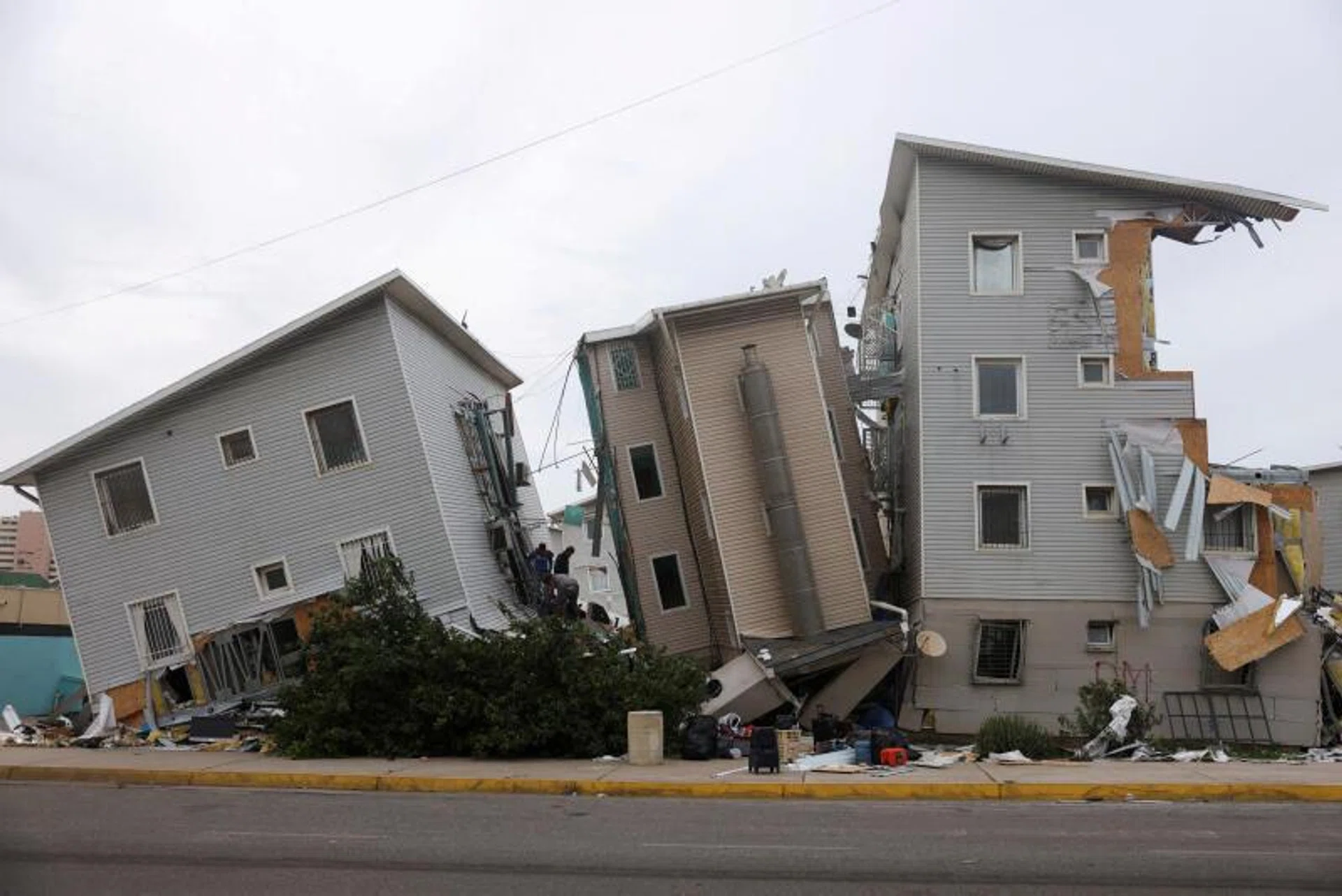
[CARACAS] The twin earthquakes that hit Venezuela last month may have caused US$19.6 billion in physical damage to buildings and infrastructure, or about 18 per cent of gross domestic product, according to a preliminary assessment by the World Bank.
Almost half of the costs stem from damage to residential buildings, the Washington-based lender said in a report published on Thursday (Jul 23), adding that La Guaira state and Distrito Capital that includes central Caracas account for around half of the total damage.
The natural disaster, which struck June 24, has resulted in almost 5,400 deaths and 16,740 injured. The two powerful shocks hit north-central Venezuela within 39 seconds of each other, flattening buildings and disrupting power and water systems.
“A report like this would usually take months, but we needed to produce it more rapidly because the timeliness of reconstruction will be key,” Susana Cordeiro Guerra, the World Bank’s vice president for Latin America and the Caribbean, said in an interview. “It can help guide financing decisions that the government has to make, and enhance coordination across partners.”
The education and health sectors have suffered significantly, according to the report, with more than 900 schools across nine states and 38 hospitals affected by the quakes. Meanwhile “infrastructure related to energy has had relatively minor impacts,” it said.
The World Bank’s figure stands well below United Nations estimates of physical damage to housing and infrastructure of around US$37 billion.
Economic recovery will be linked to how fast Venezuela can find financing for reconstruction. It has been challenging to lend money for relief and recovery work to a country that has been disconnected from multilateral lenders for over two decades and been in default since 2017.
The World Bank said it’s working alongside other multilateral lenders such as the Inter-American Development Bank and the Development Bank of Latin America (CAF) to coordinate technical and financial support.
“Venezuela needs more investment,” Cordeiro Guerra said. “The bank will continue to be a technical partner, and we are undergoing assessments on how to support the government, including financing, to see ways in which we can crowd in private investment effectively.”
A five-year reconstruction period would be possible if Venezuela mobilises US$9.8 billion in additional financing to support the fiscal response, and US$9.6 billion in private investment, according to the report. But with no new public and private investments, the country has no choice but to reallocate resources, which will would push the timeline for reconstruction efforts to at least a decade.
The economic impact of the quakes also adds pressure to Venezuela’s debt stock. The World Bank said that if additional spending is “fully financed through non-concessional external debt, it would add 8.1 percentage points to Venezuela’s debt-to-GDP ratio by 2036.” BLOOMBERG
