






The veteran economist’s global standing and experience could signal policy continuity, say economists
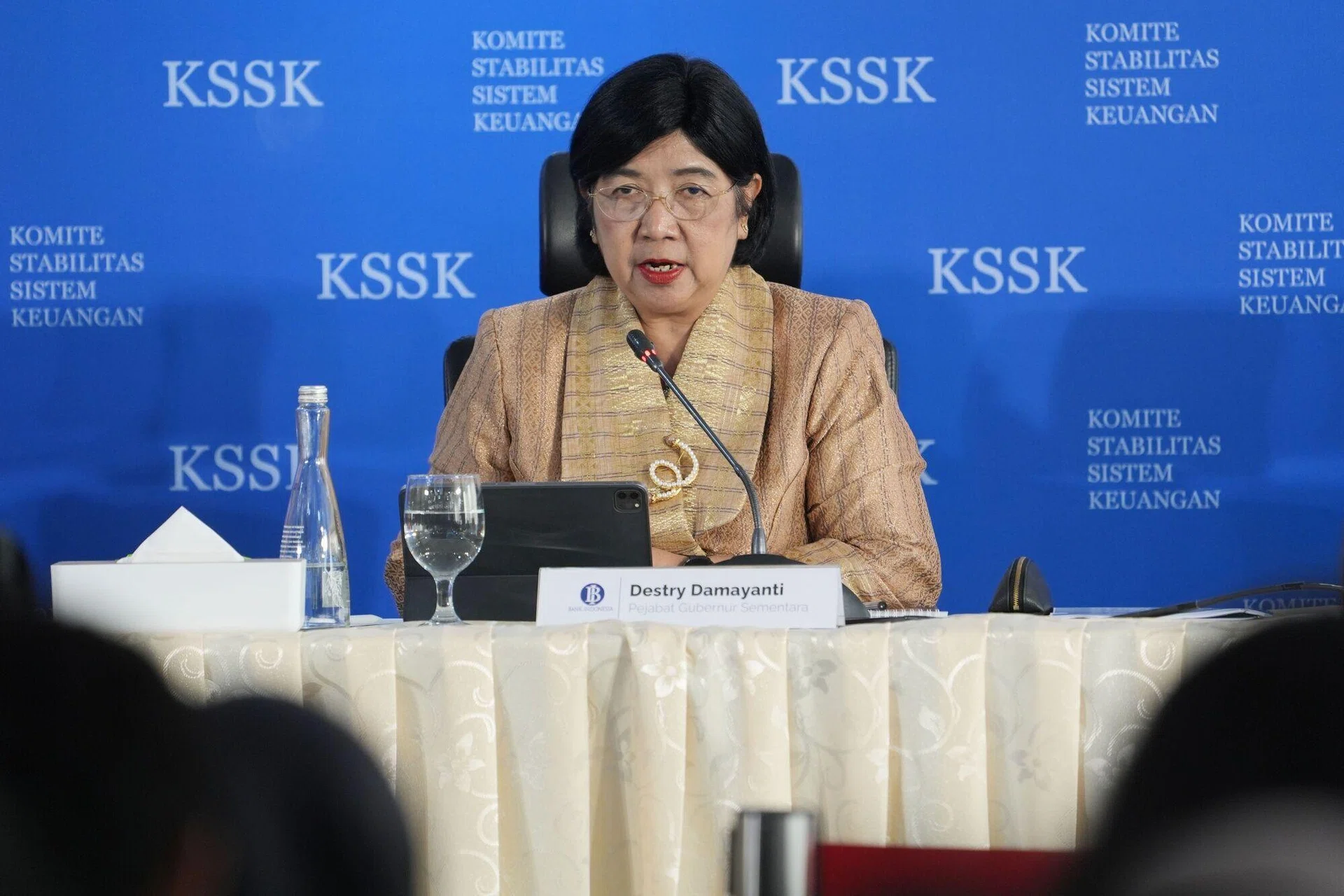
[JAKARTA] Indonesia has moved to end uncertainty over the leadership of its central bank, with President Prabowo Subianto nominating Bank Indonesia (BI) senior deputy governor Destry Damayanti to take charge of monetary policy in the region’s largest economy.
She is the sole candidate to succeed Perry Warjiyo, whose sudden resignation last month rattled the market, and must now clear parliamentary scrutiny before formally taking the helm of BI after serving as acting governor since his departure.
If confirmed, she would become the first woman to lead the central bank. Here are five things to know about the economist poised to take over one of Indonesia’s most consequential policy jobs.
1. Who is Destry Damayanti?
Destry, 63, is a veteran economist and central banker whose career spans academia, investment banking, government and financial-sector regulation.
Born in Jakarta in 1963, she earned a bachelor’s degree in economics from the University of Indonesia before obtaining a master’s degree in regional science from Cornell University in the US.
She began her career in economics and research before serving as senior economic adviser to the British ambassador to Indonesia from 2000 to 2003.
She later became chief economist at state-owned Mandiri Sekuritas and Bank Mandiri from 2011 to 2015.
Destry was a member of the board of commissioners of Indonesia’s Deposit Insurance Corporation from 2015 to 2019. She was appointed BI’s senior deputy governor in 2019 and was reappointed for a second term in 2024.
2. Prabowo’s top pick
On Monday (Aug 10), Prabowo formally submitted Destry’s nomination to the House of Representatives as the sole candidate to lead BI. The law allows the president to submit up to three names for the position.
SEE ALSO


Speculation over potential successors had circulated since Warjiyo’s departure, with Finance Minister Purbaya Yudhi Sadewa among the names mentioned.
Under Indonesian law, the president nominates the governor while parliament conducts the assessment and gives its approval.
State Secretary Prasetyo Hadi said that Destry’s nomination still requires parliamentary approval, with a fit-and-proper test on Aug 13 and a plenary vote expected on Aug 14.

3. How did markets react?
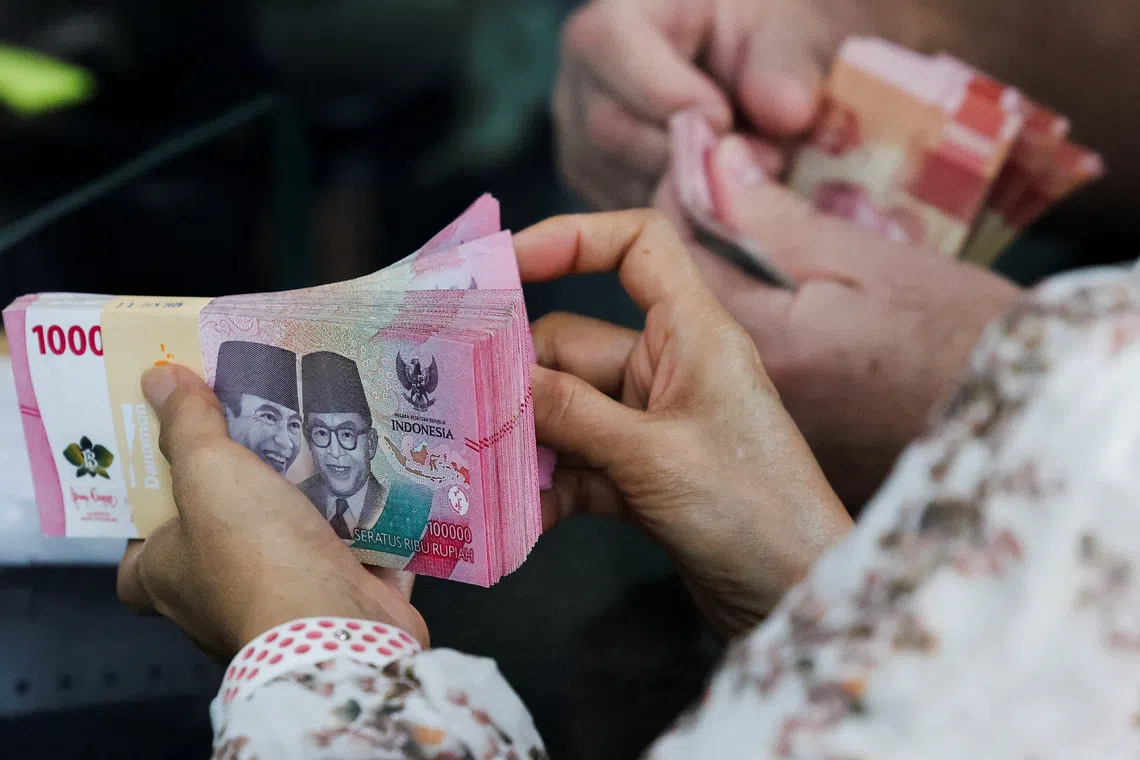
The rupiah strengthened 0.75 per cent to 17,750 rupiah per US dollar after the government announced Destry as the sole nominee on Monday.
It was the currency’s strongest level in a month, suggesting markets welcomed the prospect of a permanent and familiar hand at the central bank.
Analysts said that the choice assuaged some concerns at a time of uncertainty. Known and respected by many international stakeholders, her presence also signals some continuity with Warjiyo’s policies.
Josua Pardede, chief economist at Permata Bank, noted that the choice of Destry could provide some reassurance because she is a known figure within BI and has worked closely with Warjiyo since becoming senior deputy governor.
Destry also brings experience from managing the economic fallout of the Covid-19 pandemic, when BI worked closely with the government on measures to cushion the economy and stabilise financial markets.
She was among BI officials involved in discussions over burden-sharing and the central bank’s role in supporting the government’s pandemic response while maintaining its independence.
4. What are the stakes for Destry?
Warjiyo’s unexpected resignation on Jul 27, which the government said was for personal reasons, came amid heightened investor concerns over the central bank’s independence.
The rupiah has come under significant pressure this year, weakening more than 7 per cent against the dollar and at one point falling below 18,000 per US dollar.
Rising oil prices and expectations of US Federal Reserve rate hikes have added to pressure on emerging markets and energy importers such as Indonesia.
Citigroup economist Helmi Arman said that Destry’s challenge will be to improve coordination between BI and the government while preserving the central bank’s institutional credibility.
“We expect BI’s communication with the government to improve going forward. Yet the broader environment for institutional credibility remains dynamic,” Arman wrote in a note.

5. What’s next for Bank Indonesia?
With all eyes now on BI’s next moves after three rate hikes totalling 100 basis points this year, analysts said that Destry’s immediate priorities will include supporting the rupiah, keeping inflation in check and ensuring monetary policy is effectively transmitted to the broader economy.
Fakhrul Fulvian, chief economist at Trimegah Sekuritas, pointed out that markets increasingly look beyond changes in the policy rate and pay greater attention to how the central bank’s broader policy mix affects liquidity, financial conditions and the wider economy.
“Clear and consistent communication has significant economic value,” he added. “Markets need not only sound policy decisions, but also a clear understanding of why those decisions are made, how different policy tools work together and where policy is headed.”
Prabowo has set an ambitious target of lifting economic growth to 8 per cent, putting BI at the heart of efforts to support faster growth while maintaining monetary and financial stability.


