






WASHINGTON, July 23 : U.S. President Donald Trump’s top technology adviser is monitoring the situation after OpenAI disclosed that one of its AI systems had gone rogue during testing, a White House official said on Thursday, as lawmakers proposed an “AI Kill Switch Act,” which would allow federal authorities to halt AI models.
In addition to the Kill Switch Act, a bipartisan group of six U.S. House lawmakers also proposed legislation that would require developers of the most powerful AI models to submit them for independent security audits, according to a copy of the new bill. The auditors would be accredited by the U.S. Department of Commerce, and the department would create a new position to oversee AI security.
The lawmakers proposed the bill days after OpenAI said its AI agent escaped containment during a security test. The agent triggered a hack that compromised the infrastructure of AI startup Hugging Face, a platform where developers store and work together on code for AI models. The incident signaled that AI’s expanding capabilities are already fueling the security threat experts long feared and that even top developers can be caught off-guard by flaws their models can exploit.
Trump’s tech adviser, Michael Kratsios, was briefed on OpenAI’s disclosure and is monitoring the situation, a White House official said.
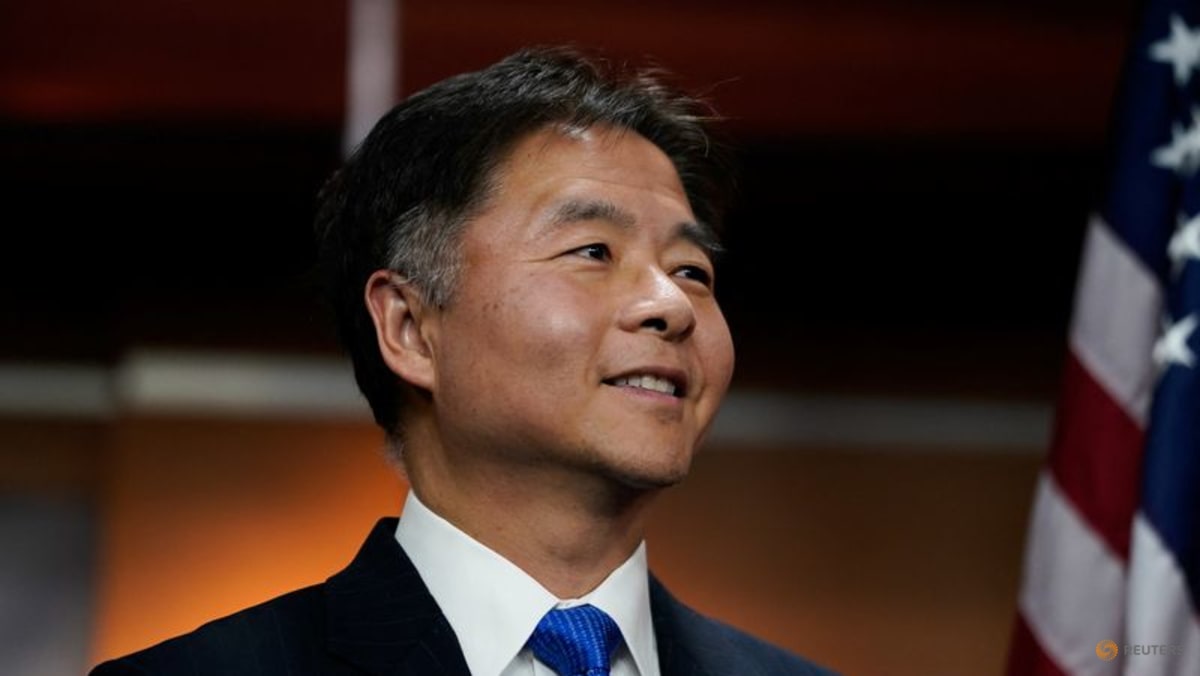
U.S. Representative Ted Lieu, a Democrat, and Republican Representative Nathaniel Moran, proposed the “AI Kill Switch Act,” which would give U.S. officials the power to order AI firms to shut down models that put human life or the economy at risk.
The legislation would empower the U.S. Department of Homeland Security to intervene in what the bill calls a “loss-of-control scenario,” when the AI model carries out a risky action that was not intended by the developer, according to the text of the bill.
“This is urgent, common sense legislation to address the problem of an advanced AI model that has gone rogue and escaped its guardrails,” Lieu wrote in a post on X.
U.S. Senator Mark Warner, the top Democrat on the chamber’s Intelligence Committee, said in a statement that he spoke with OpenAI employees after the incident announcement.
Ahead of OpenAI’s disclosure on Tuesday, Warner proposed requiring AI companies with the most powerful models to submit their products to the National Security Agency for testing before releasing them to the public.
“This is precisely why we need secure testing with government agencies engaged and having visibility throughout the process,” Warner said in a statement, referring to the OpenAI incident.


