






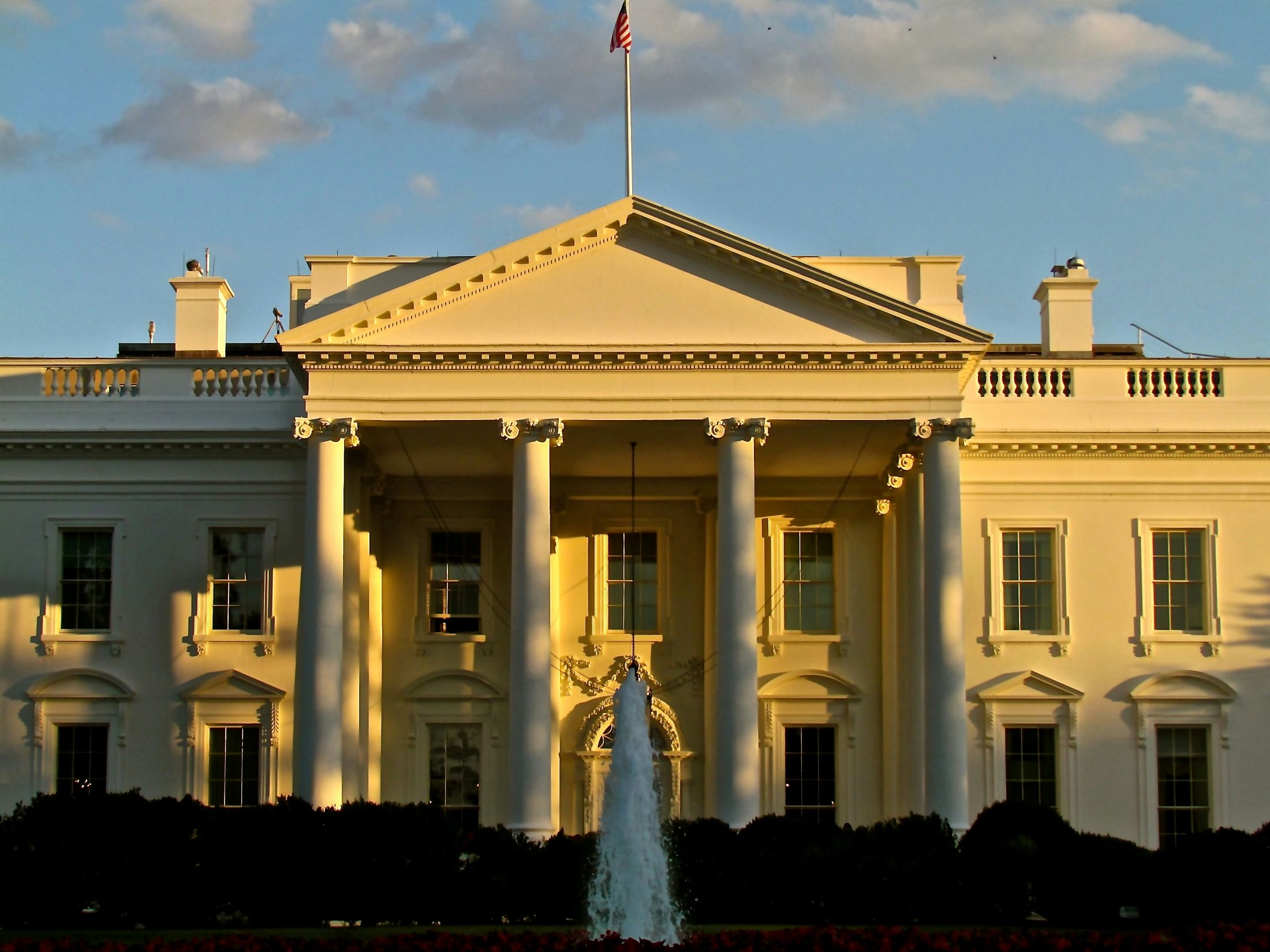
The White House has launched GOLD EAGLE, an AI clearinghouse to coordinate vulnerability patching across infrastructure sectors. The administration says it has “already begun to intake and prioritise” vulnerability data across sectors and coordinate scanning verifications.
GOLD EAGLE traces its authority to Executive Order 14409, signed on 2 June 2026 and titled ‘Promoting Advanced Artificial Intelligence Innovation and Security.’
The 2026 order tasked the Treasury Department, the Department of Homeland Security acting through CISA, and the Department of War with building a coordination layer connecting open-source software maintainers to infrastructure operators. The stated aim is to cut down on duplicated scanning work between agencies and vendors, then push prioritised remediation guidance to defenders faster than adversaries can weaponise a disclosed flaw.
Treasury Secretary Scott Bessent said: “Under President Trump’s leadership, the Treasury Department is working hand-in-hand with the private sector to safeguard our financial institutions, close vulnerabilities, and protect the integrity of the US financial system.
“Treasury, along with our partner agencies, will continue to harness frontier AI capabilities to stay ahead of our adversaries and defend the American people from emerging threats.”
Secretary of War Pete Hegseth called GOLD EAGLE “the vanguard of America’s cyber defense” and referenced a “wartime footing to the cyber domain to relentlessly patch vulnerabilities.”
National Cyber Director Sean Cairncross tied the initiative to broader competitiveness goals, saying the administration is working toward “cementing American AI dominance for generations to come.”
Speed claims still need independent verification
There are currently no figures available for vulnerabilities processed, no mean-time-to-remediation metric, no count of participating operators across the sectors the order covers. The claims of speed and scale come directly from the administration’s own statements, and security teams evaluating whether to plug into GOLD EAGLE will want those figures.
A scanning system that performs well against a curated set of known vulnerabilities in a sandbox can behave differently once it meets a production environment with incomplete asset inventories, delayed patch windows, and infrastructure that can’t simply be taken offline for a fix.
Ron Longo, CEO of TrustLogix, argues the harder problem sits one layer below detection speed.
“AI can identify vulnerabilities at a speed human teams cannot match, but organisations still need to control what data those systems can access and what they can do with it,” Longo said. “As AI moves from identifying risk to initiating remediation, governance must become contextual, identity-aware and capable of operating at machine speed.”
That’s the part GOLD EAGLE’s framing skips over. A clearinghouse that ingests vulnerability data across banking, energy, and defense sectors is also a system that touches sensitive infrastructure telemetry belonging to hundreds of separate organisations.
Deciding which AI agents can see which data, and under what authority those agents can trigger a patch deployment inside a bank’s production network, falls to the participating institution’s internal compliance and security teams.
GOLD EAGLE provides coordination; it doesn’t provide the access controls or the legal accountability for what happens when an automated remediation goes wrong inside somebody else’s environment.
Faster patching doesn’t close the exploit window
Shane Fry, CTO of RunSafe Security, welcomes the coordination effort but pushes back on where the emphasis sits.
“GOLD EAGLE is an important initiative that recognizes the threat to critical infrastructure and the ability of AI to dramatically increase it. Collaboration across industry is absolutely important for keeping our most critical assets secure,” Fry said.
“At the same time, a focus only on AI-powered vulnerability identification and faster patching leaves us fighting speed with speed. No organisation will ever find and patch every flaw before an attacker reaches it. Critical infrastructure also needs to prioritise mitigation, not just remediation, to reduce the exploitability of vulnerabilities present in deployed software before vulnerabilities are identified or a patch is available.”
Fry’s point cuts against the premise built into GOLD EAGLE’s design: that the winning strategy is patching faster than attackers can exploit.
Every infrastructure operator carries software with vulnerabilities nobody has found yet, and a clearinghouse built to accelerate response after disclosure does nothing to shrink the exposure window that exists before disclosure. Binary hardening, memory protection, and runtime mitigation reduce what an attacker can do with a flaw regardless of whether CISA or GOLD EAGLE has catalogued it yet.
The release names Treasury, CISA, and the Department of War as operational partners but doesn’t name the private-sector companies feeding data into GOLD EAGLE or receiving remediation guidance from it.
The next concrete marker to watch is whether CISA publishes sector-specific onboarding guidance, since that document – not the executive order – will determine what GOLD EAGLE actually requires from a security team on day one.
See also: IBM and Red Hat automate open-source vulnerability remediation


Want to learn more about cybersecurity from industry leaders? Check out Cyber Security & Cloud Expo taking place in Amsterdam, California, and London. The comprehensive event is part of TechEx and is co-located with other leading technology events including the AI & Big Data Expo. Click here for more information.
Developer is powered by TechForge Media. Explore other upcoming enterprise technology events and webinars here.


