


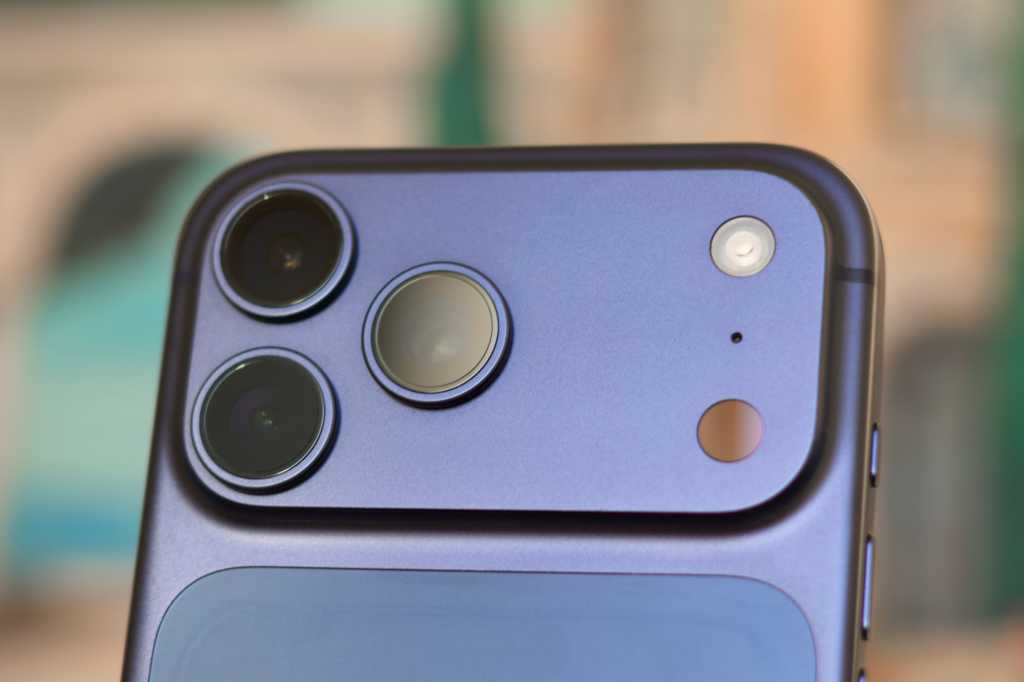

But Apple Reference Image seems to be a tool to help authenticate images another way: rather than just by positively identifying fake images, it authenticates that an image or video is real and has been captured by an iPhone.
The feature is not active yet, but when it is, you’ll find it in Settings > Camera > Reference Image. Here’s how it appears to work:
In addition to enabling the feature in Settings, you’ll have to take your photos using a new Reference mode in the Camera app (which does not exist yet). Once you do so, a bunch of extra metadata will be saved along with your image. Then, when you want to authenticate it, you can tap a “Reference” badge to send the raw image and all sorts of metadata up to Apple, which uses the Private Cloud Compute servers to determine that the image did in fact come from an iPhone image sensor and has not been edited. It then assigns the image a unique photo ID and sends back that authenticated version.
This may sound like a great way to push back against the flood of AI generated and manipulated images online, but it probably won’t really make a dent there. Most of that stuff spreads on social media where images are recompressed and often stripped of some metadata before they are shown to other users. Plus, this is entirely opt-in, requires a special mode, and it’s unclear which regular image edits can be done (if any) without removing the authentication.
Rather, this seems like a way to create a legally robust providence claim for occupations that need to prove a photo is legitimate. Think: journalists, insurance agents, criminologists, and so on.
A more robust system is the C2PA (Coalition for Content Provenance and Authenticity), which has already been adopted by standalone camera companies like Nikon, Sony, and Leica along with software companies like Adobe. Google adopted that standard in the Pixel 10 this year. The C2PA standard creates a “nutrition label” of sorts that shows a history of the way an image was captured (or generated) and broad types of edits made along the way. So you can see if an image is fake, or just “edited” to crop it and apply color balance, for example.
