






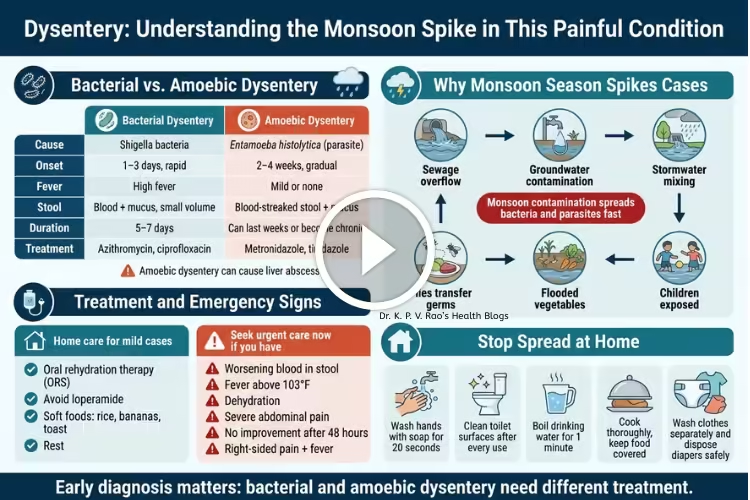
Understanding Dysentery in Monsoon Season
What is dysentery ?
Dysentery is not one single illness—it’s a group of infections that cause bloody diarrhea, abdominal cramps, mucus in stool, and an urgent need to pass stools repeatedly.
The two major types are bacillary dysentery (Shigellosis) and amebic dysentery (Amoebiasis). Although their symptoms look similar, they behave very differently and require different treatments, making correct diagnosis essential.
Disclaimer
The information in this article is intended for reference purposes only, is informative in nature, and is not intended as individual advice. I advise consultation with a qualified health professional or your family physician to assess your individual health concerns.

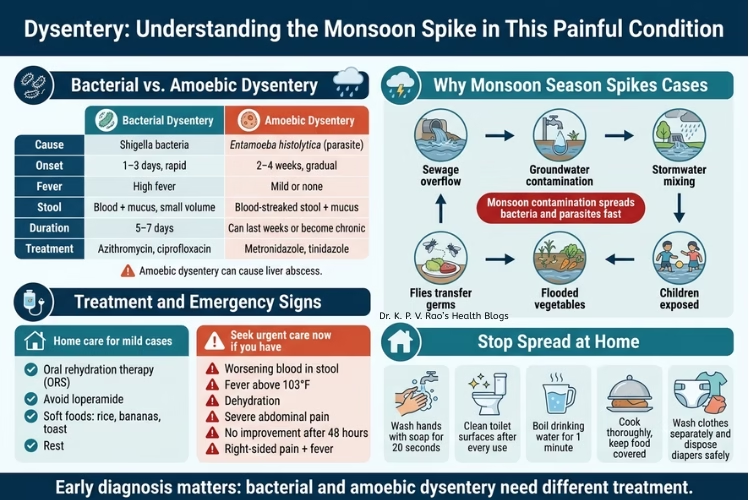
This table will sort out the differences between these two illnesses:
| Feature | Bacterial Dysentery (Shigellosis) | Amoebic Dysentery (Amoebiasis) |
|---|---|---|
| Caused by | Shigella bacteria | Entamoeba histolytica (a parasite) |
| Onset | Rapid — symptoms within 1–3 days | Gradual — can take 2–4 weeks |
| Fever | High fever, often above 102°F | Mild or no fever |
| Stool appearance | Small volume, blood and mucus | Blood-streaked, with mucus |
| Duration | Usually resolves in 5–7 days | Can drag on for weeks or become chronic |
| Spread | Person-to-person contact, contaminated food/water | Contaminated water, raw vegetables, poor sanitation |
| Complications | Reactive arthritis, hemolytic uremic syndrome | Liver abscess, intestinal perforation |
| Treatment | Antibiotics (azithromycin, ciprofloxacin) | Antiparasitic drugs (metronidazole, tinidazole) |
In short:
Bacterial dysentery hits fast and hard, especially in children and the elderly.
Amoebic dysentery is slower and more silent, often spreading unnoticed during monsoon season. The parasite can even travel to the liver, causing dangerous abscesses that need urgent medical care.
Why Dysentery Spreads Rapidly During Monsoon Season
Monsoon flooding disrupts sanitation systems, allowing fecal contamination to spread widely.
This creates ideal conditions for both Shigella bacteria and Entamoeba cysts to enter food and water supplies.
How Flooding Causes Contamination
- Sewage overflow: Flooded drains spill sewage onto roads, markets, and homes.
- Groundwater contamination: Floodwater pushes sewage into wells and underground water sources.
- Stormwater mixing with sewage: Shared or poorly maintained drainage systems allow cross-contamination.
- Flies: Stagnant water breeds flies that transfer pathogens from sewage to food.
- Flooded farms: Vegetables absorb pathogens from contaminated soil.
- Children playing in floodwater: Kids ingest organisms when they eat without washing hands.
During normal times, contamination may be limited to small areas. But during monsoon flooding, the same contamination spreads across entire neighborhoods. This increases exposure dramatically, causing dysentery outbreaks in clusters rather than isolated cases.
Treatment Options and When to Seek Emergency Care
Most mild cases can be managed at home, but severe symptoms require immediate medical attention.
Home Management for Mild Dysentery
- Oral Rehydration Therapy (ORT): The most important step. ORS after every loose stool prevents dehydration.
- Avoid anti-diarrheal drugs: Medicines like loperamide worsen dysentery by trapping pathogens inside the gut.
- Eat soft foods: Rice, bananas, boiled potatoes, toast. Avoid dairy, spicy foods, and heavy meals.
- Rest: Helps the body fight infection.Medical
Treatment For Bacterial Dysentery
Azithromycin (preferred for children), Ciprofloxacin (commonly used in adults)
Culture testing helps choose the right antibiotic, especially with rising resistance.
For Amoebic Dysentery
Metronidazole or tinidazole to kill the active parasite. Followed by diloxanide furoate or paromomycin to clear cysts and prevent relapse.
When to Seek Emergency Care
I usually advise my patients to act Immediately if and when there is:
- Increasing blood in stool
- High fever above 103°F
- Signs of dehydration:
- sunken eyes,
- dry mouth,
- no urine for 6+ hours,
- Dizziness
- Severe abdominal pain
- No improvement after 48 hours
- Symptoms in infants, elderly, or immunocompromised individuals like right-sided abdominal pain with fever after dysentery suggesting possibility of amoebic liver abscess.
Most monsoon-season deaths occur because people delay treatment or use the wrong medication. Correct diagnosis—bacterial vs. amoebic—is crucial.
Preventing Dysentery Spread Within Households
Simple hygiene habits can stop transmission.
Dysentery spreads easily at home, especially when families share bathrooms or prepare food together. This can easily be prevented by following these simple steps:
Handwashing: The Most Important Step
- Wash hands with soap for 20 seconds after toilet use, diaper changes, before cooking, and before eating.
- Keep liquid soap available.
- Use alcohol-based sanitizer if water is unavailable.
- Isolating the Sick Person’s Items:
- Use a separate toilet if possible; otherwise disinfect after each use.
- Wash their towels, clothes, and bedsheets separately in hot water.
- Do not share plates, cups, or cutlery.
- Safe Food Practices:
- Cook food thoroughly.
- Avoid raw salads, cut fruits from vendors, and uncovered foods.
- Wash vegetables well; during high-risk periods, soak in potassium permanganate solution.
- Refrigerate food within two hours.
- Reeat leftovers to a full boil.
Safe Water Practices
Boil drinking water for at least one minute.Use UV/RO purifiers if available.
Store water in clean, covered containers.Avoid ice made from tap water.
Infant and Child Care:
- Dispose of diapers hygienically.
- Wash hands after every diaper change.
- Sterilize feeding bottles and pacifiers.
One commonly ignored source of contamination is the bathroom door handle and flush button. These surfaces should be disinfected multiple times a day during an active dysentery case.
Stopping transmission inside the home is just as important as treating the infected person.
Dysentery outbreaks often begin in kitchens and bathrooms when hygiene slips during monsoon chaos.
Summary
Before we end this article, let’s summarize it by watching this short video:

Dysentery is a serious monsoon-season threat, but understanding the differences between bacterial and amoebic types helps ensure correct treatment.
Affiliate Disclosure
Some links in this article are affiliate links. This means:
- If you click a link and make a purchase, I may earn a small commission.
- You pay nothing extra—your price stays the same.
- Your purchase helps support this site and keeps new content coming.
Thank you for your support.
Flooding and poor sanitation accelerate its spread, making preventive hygiene essential.
Most cases improve with ORS, rest, and proper medication, but severe symptoms require urgent medical care.
With timely diagnosis and strong household hygiene, dysentery outbreaks can be controlled effectively.
Please share this article with people you know- who knows, it may help them.
If you have any queries, you can share it it in the comments.


