



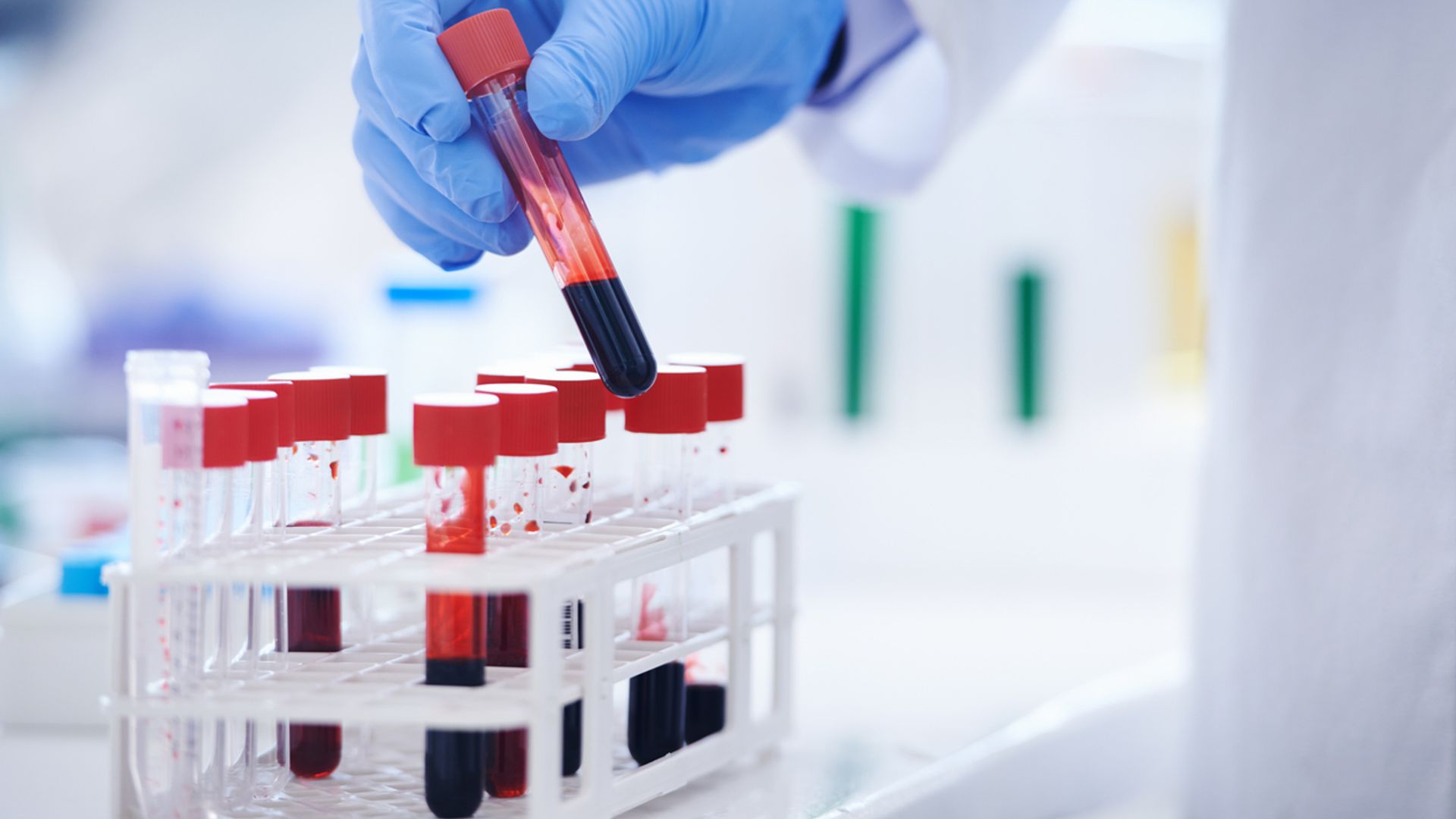
A major new blood test which could revolutionise the diagnosis of Alzheimer’s is being trialled on UK patients with early symptoms, researchers have said.
People with suspected dementia are being recruited via memory clinics across the country to see how well the test, which measures the protein p-tau217, works in the NHS.
Alzheimer’s disease is the most common cause of dementia and is linked to the build-up of two key proteins in the brain called amyloid and tau.
P-tau217 is considered a promising biomarker which shows both amyloid and tau are present in the brain.
A team led by University College London (UCL) is running the trial as part of the Blood Biomarker Challenge.
Their aim is to understand if the test, which analysts suggest can tell around 80% of people with cognitive decline whether they are likely to have Alzheimer’s, can improve the early and accurate diagnosis of the deadly disease.
The test has already been shown to be effective in looking for the protein but researchers want to know whether giving it to patients near the start of an assessment for memory and thinking problems helps guide diagnosis and treatment.
The study will recruit 1,100 people from diverse geographic, ethnic and economic backgrounds, alongside those living with other health conditions, to ensure the findings are relevant in a wide population.
Essex Partnership University NHS Foundation Trust began recruitment a few weeks ago and 19 more UK centres are expected to take part.
If shown to work in the NHS, blood tests could be used as part of a wider assessment to confirm the diagnosis of Alzheimer’s disease for people who already have memory or thinking problems.
Professor Jonathan Schott, from UCL and chief medical officer at Alzheimer’s Research UK, said the blood test is backed by strong scientific evidence and provides comparable information to other gold-standard diagnostic tests such as PET scans and lumbar punctures, yet is far more accessible and cheaper.
PET scans and lumbar punctures are only currently available to around 2% of people diagnosed with Alzheimer’s, he said.
He said identifying Alzheimer’s disease early and accurately “will become even more critical as a new generation of treatments emerges that can slow down the decline of memory and thinking”.
“Timely diagnosis will be key to ensuring these advances reach the people who need them most,” he said.
He added he hoped the trial would be a step forward in “revolutionising” diagnosis.
Read more from Sky News:
Cats’ dementia link to humans
Blood test for dementia is highly accurate
Dementia: Sleep problems could ‘double risk’
Professor Fiona Carragher, chief policy and research officer at the Alzheimer’s Society, said “only a third of people with dementia felt their experience of the diagnosis process was positive, while many reported being afraid of receiving a diagnosis”, according to the charity’s own research.
“As a result, too often, dementia is diagnosed late, limiting access to support, treatment and opportunities to plan ahead,” she said.
Experts hope to have answers within three years.
