


A seat at the table could unlock investment opportunities in tourism, real estate, agriculture and renewables
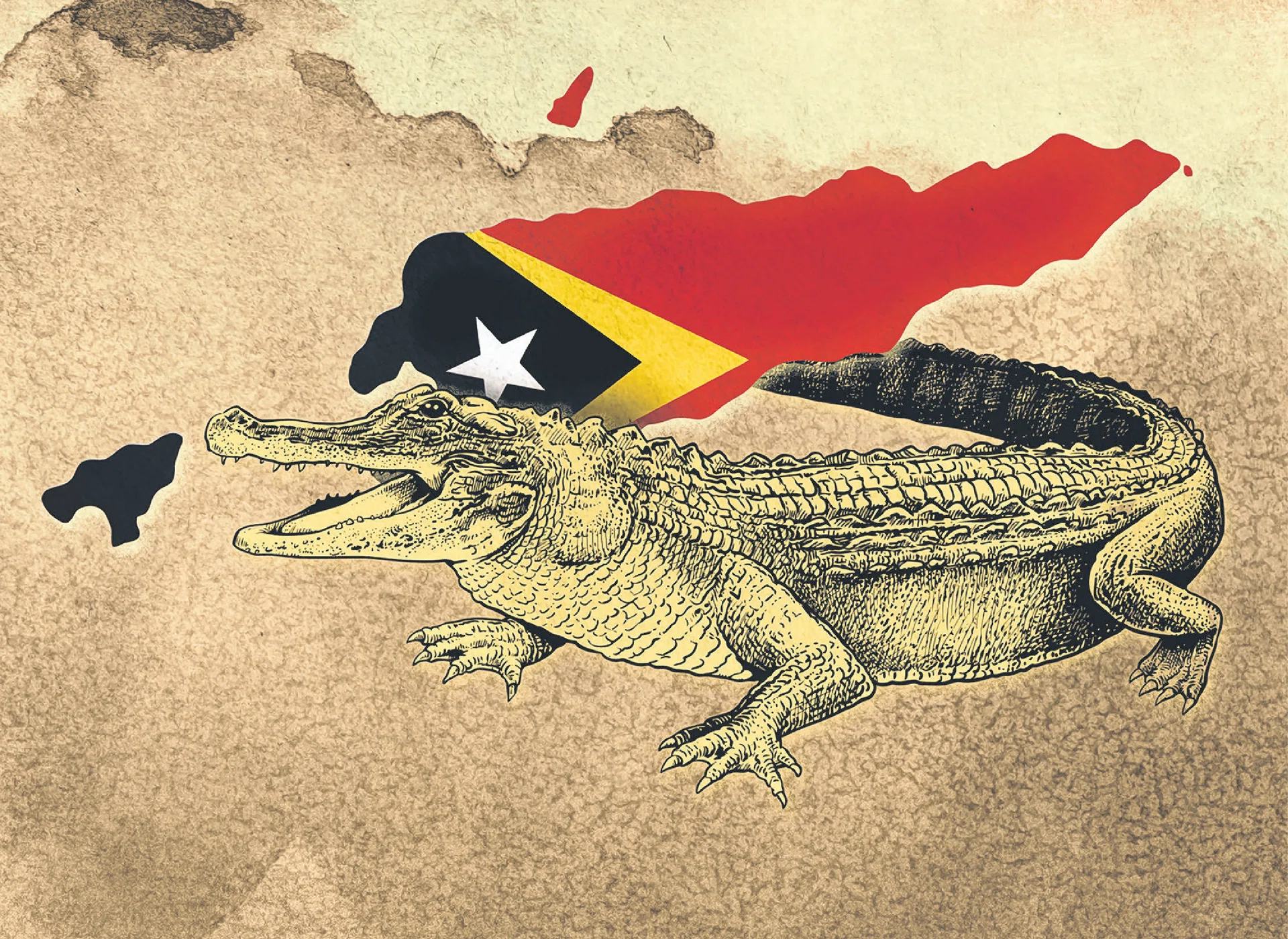
[SINGAPORE] Folklore tells of a boy who saved a stranded crocodile. In return, the creature carried him towards the rising sun, fulfilling his dream of seeing the world. It later promised the boy a forever home, transforming into an island named Timor.
History tells a bleaker origin story.
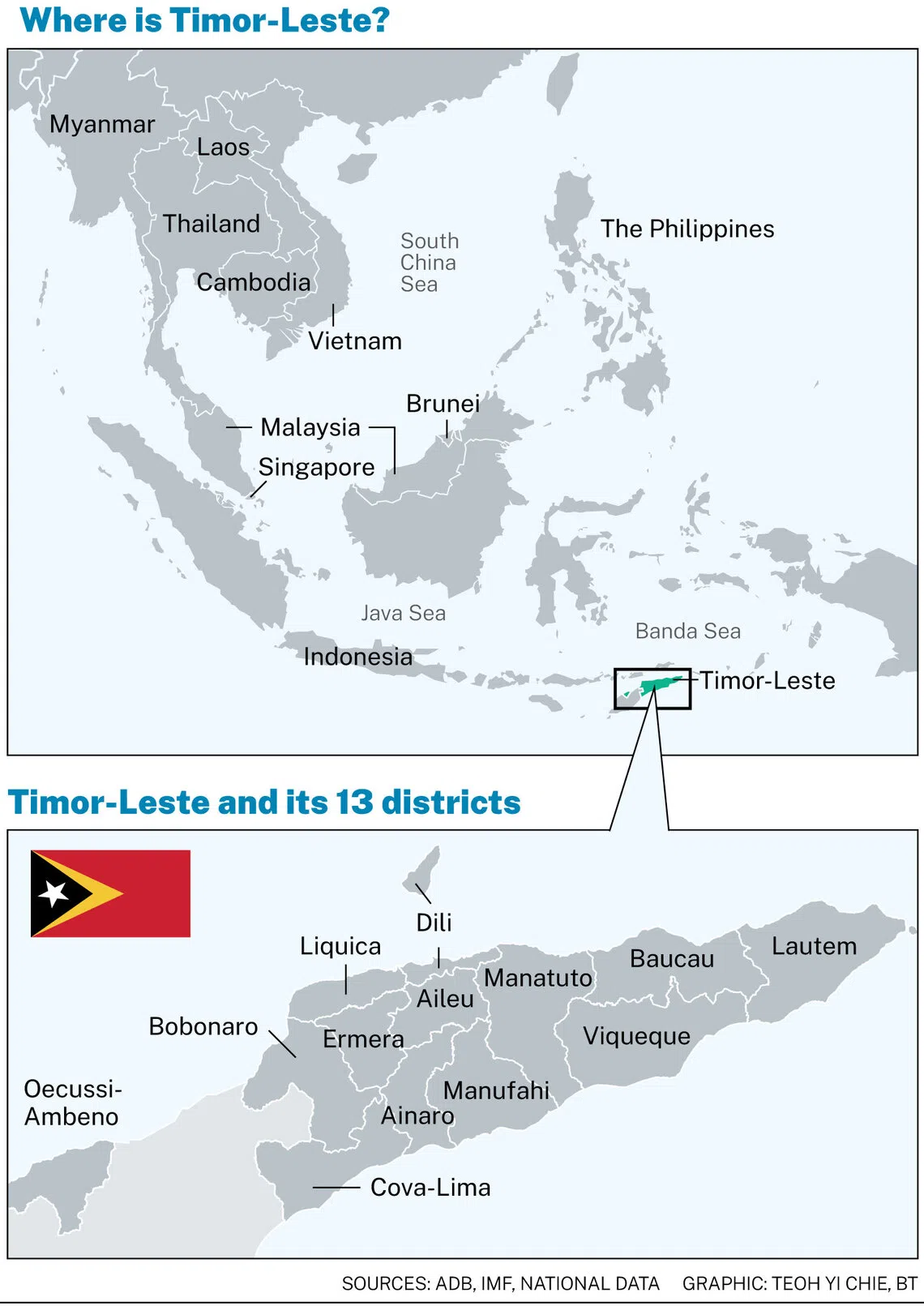
Fierce contestation between colonial powers in the 16th century split the isle into two: A western half ruled by the Dutch before becoming part of Indonesia; and the eastern half controlled by the Portuguese, until their sudden exit left a vacuum swiftly filled by Indonesia’s annexation. After a brutal quarter-century of occupation, the east won independence.
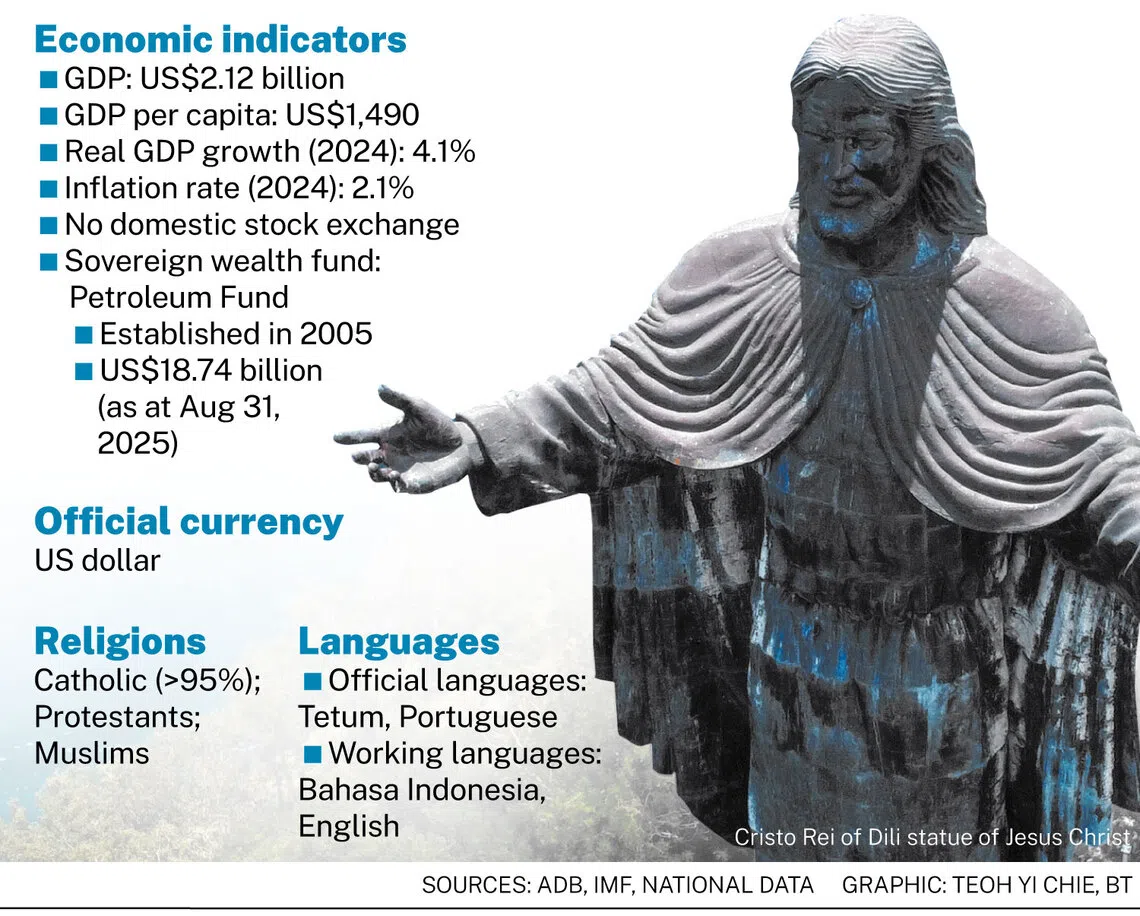
In the spring of 2002, a new nation was born: Timor-Leste is Asia’s youngest, one of its poorest and, soon, Asean’s newest member.
The country’s most recent census from 2022 reveals that its population is largely rural, with some two-fifths of its people under 18 years old.
Compared with its South-east Asian neighbours, the country scores poorly in literacy – only about seven in 10 people aged above 25 can read and write, and about 11.2 per cent of the population aged 15 and older attended tertiary education. The census notes that these figures differ significantly between those who live in rural and urban areas.
A NEWSLETTER FOR YOU

Friday, 8.30 am
Asean Business
Business insights centering on South-east Asia’s fast-growing economies.
Youth unemployment in Timor-Leste exceeds 40 per cent, according to the World Bank’s latest economic report on the country published in September, while labour force participation hovers around 30 per cent.
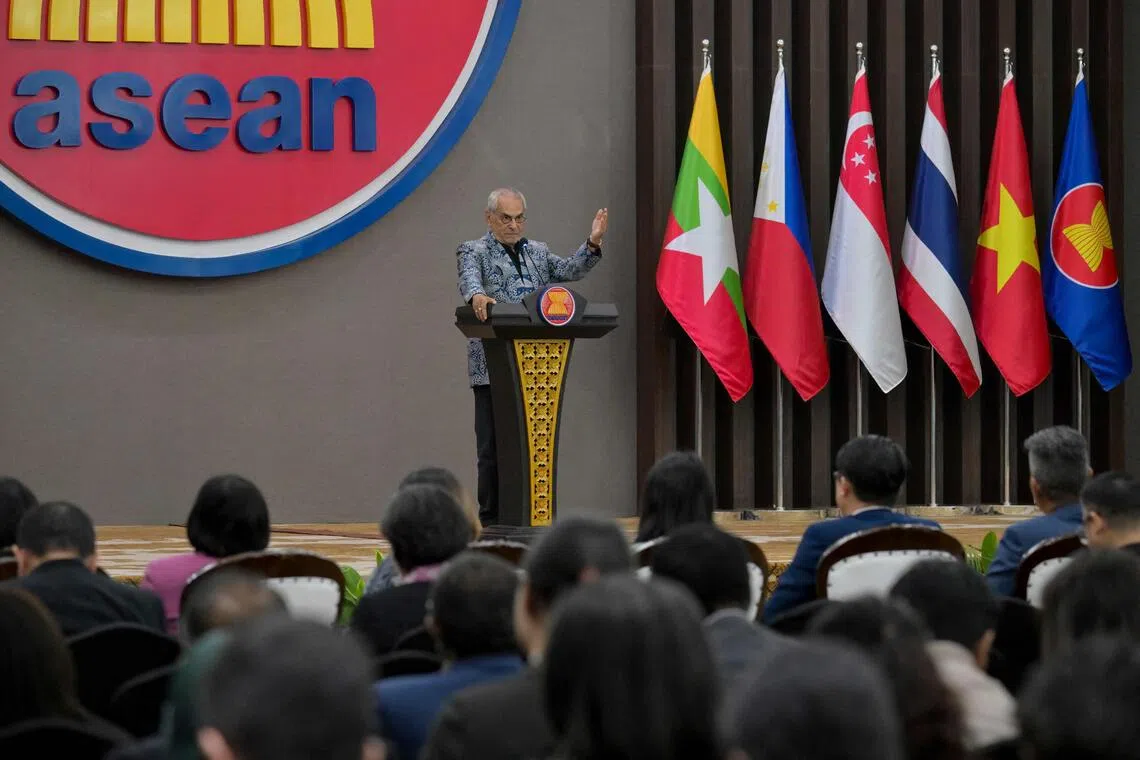
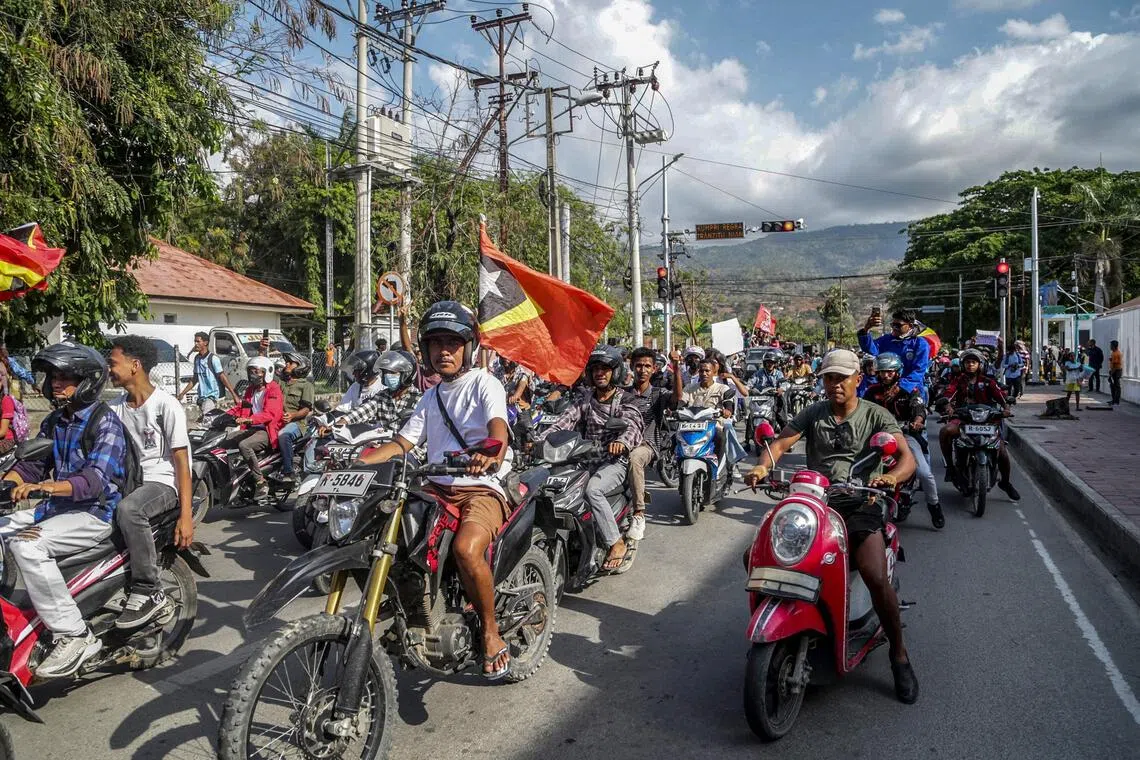
Malaysian Prime Minister Anwar Ibrahim, whose country chairs the South-east Asian bloc this year, confirmed on Oct 11 that Timor-Leste will become a full member at the Asean Summit on Oct 26.
The half-island nation applied for membership in 2011 and has undergone a lengthy process to prove itself ready, including establishing embassies in all Asean member capitals. At the Asean Summit hosted by Cambodia in 2022, Timor-Leste was admitted in principle as the grouping’s 11th member and granted observer status.
SEE ALSO


Analysts, companies and economists tell The Business Times that a seat at the Asean table would unlock growth for the young nation, which is ripe for investment in tourism, renewable energy, agriculture and real estate.
Chasing skyscrapers
Timor-Leste presents a range of promising opportunities, and interest from investors across the Asia-Pacific is swelling, observes David Freedman, the World Bank’s group resident representative for the nation.
There are also some European business interests there, says Chris Humphrey, executive director of the EU-Asean Business Council. “Timor-Leste is a small, emerging market and thus one that does not naturally fit into the investment plans for many businesses, (but) this will likely change with their joining Asean.”
Among the early movers establishing a foothold in the country is Singapore’s mainboard-listed A-Smart, an investment holding company whose operations span print manufacturing, smart technologies, real estate and investment.
When the firm first decided to enter the regional property scene, executive director and group chief executive Lim Huan Chiang was told that it was late to the party, as investors had already made their move into frontier economies, such as Cambodia and Myanmar, years ago.
It wasn’t until a business forum that he learned about Timor-Leste, and made his inaugural visit in 2019. “Nobody looked (favourably at) Timor-Leste then,” he recalls.
But Lim returned home impressed with the island’s young and friendly population.
Because the nation was new and not fully modernised yet, he saw it as fertile ground for investment. As far as he was concerned, Singapore managed to transform itself from a fishing village to a metropolis, and he believed the success could be duplicated.
“I was thinking it might be an up-and-coming star, (and) I was very confident that one of these days it would become part of Asean,” he says.
Fast forward to today, A-Smart has since broken ground on the first of its mixed-use developments, of which it owns a 79-per-cent stake, in the capital city of Dili.
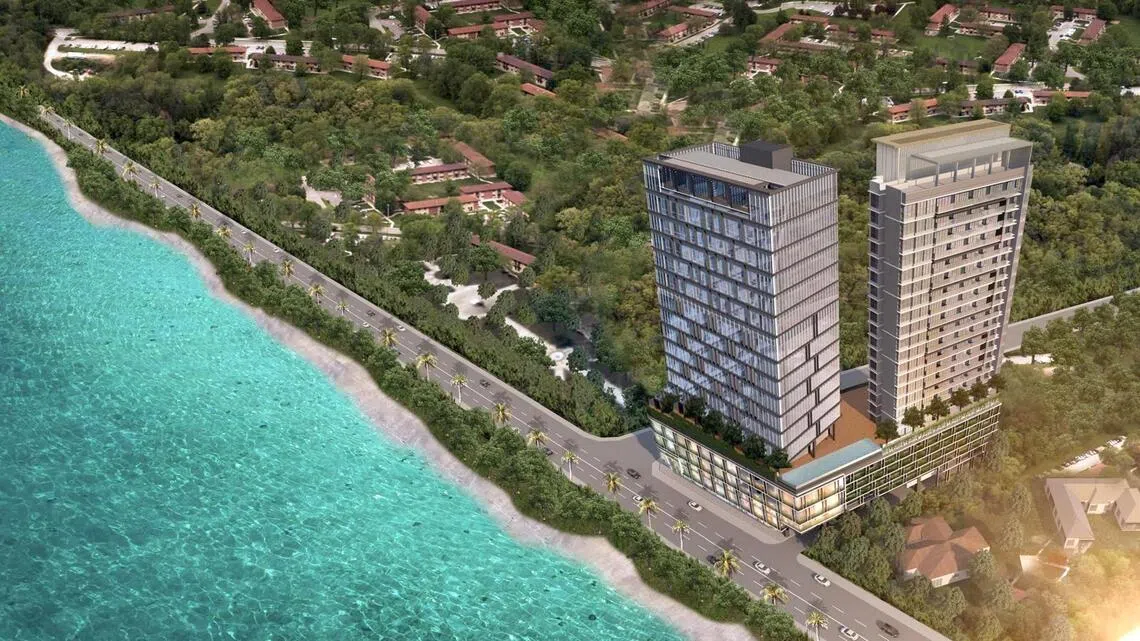
Targeted for completion in December 2026, Timor Marina Square sits along a coastal stretch on a 3,204 square metre freehold land area. It comprises two blocks – a 23-storey residential tower comprising 157 units; and a 19-storey commercial building that houses seven office floors, 13 commercial or shophouse units and 105 serviced apartments.
Residential prices start from US$117,000 for a one-bedroom unit with a living room and a balcony. A two-bedder is priced upwards of US$167,000, and a three-bedder sells for US$287,000 onwards.
As construction progresses and the building slowly towers over the neighbourhood, foreign investors from China, Malaysia and the Middle East who visited Dili to scout for opportunities began enquiring about the development and rental prospects, says Lim.
A-Smart is now in the planning phase for its second project, Timor City Square – a low-cost, low-rise housing development catering to middle-class workers in the central business district of Dili.
Also on the drawing board is a seafront resort, says Lim, adding that the group is eyeing opportunities beyond real estate, including in the manufacturing sector.
Fresh grounds
Another company with roots in Timor-Leste is the food ingredients arm of mainboard-listed agribusiness giant Olam. Olam Food Ingredients (ofi) previously sourced coffee from Timor-Leste through a partner supplier up till 2015, and now engages directly with its farmer partners.
Coffee powers the Timorese economy – the aromatic bean dominates non-oil exports, making up 59.4 per cent of total exports, or about US$3.8 million, according to national data. Negligible amounts of copra, candlenuts and konjac make up the remainder of its exports.
The commodity also provides income for almost a fifth of all Timorese households, standing as the most important agricultural cash crop for the country, says its Ministry of Agriculture and Fisheries.
“Being in Timor-Leste brought us closer to where the action is,” notes Rajarshi Chakravorty, ofi’s senior vice-president and business head of Green Coffee (Asia).
The nation’s coffee is naturally organic and prized for its compelling taste profile, often compared to some of the South and Central American Arabica coffee beans, he tells BT.
The country is also an important genetic resource for coffee research, he added, noting that it is the birthplace of the Hibrido de Timor, a natural Arabica-Robusta hybrid discovered in the 1920s that has a higher resilience than other varieties.
And with coffee consumption swelling across South-east Asia, Timor-Leste’s accession to Asean connects it to a market of more than 670 million people, says Chakravorty.
He notes that the membership grants the country access to the bloc’s free trade area and possibly the world’s largest trade deal, the Regional Comprehensive Economic Partnership.
Yet the sector is operating far below its potential.
The country’s coffee exports sank sharply this year with a drop of almost 30 per cent from the US$5.3 million in the first semester of last year. Coffee production has fallen in recent years due to low prices, waning farmer interest, ageing coffee trees and climate change.
But seeds of growth have been sown. In 2019, the ministry launched its National Coffee Sector Development Plan, a decade-long road map to promote growth and sustainability in the sector through to 2030.
The goal? To double Timor-Leste’s coffee production and boost its export value by 270 per cent.
The strategy involves starting a coffee research and development programme, developing new models for training partnerships with the private sector and scaling up national renovation and rehabilitation efforts to replace aging trees.
Oxford Economics’ lead economist Sunny Liu agrees that there is scope to climb the value chain and move into higher-value activities, such as post-harvest processing, roasting and branding.
She adds that Timor-Leste could also diversify its agricultural portfolio beyond coffee and into spices and fisheries.
“Asean accession could provide a credible policy anchor across trade, customs and standards – supporting greater market access, stronger regional supply-chain linkages, and gradually improving exports,” said Liu.
The next chapter
But drawing in more investor dollars would require Timor-Leste to improve its regulatory environment by strengthening legal frameworks, ensure reliable infrastructure and utility services, and develop its human capital, say analysts.
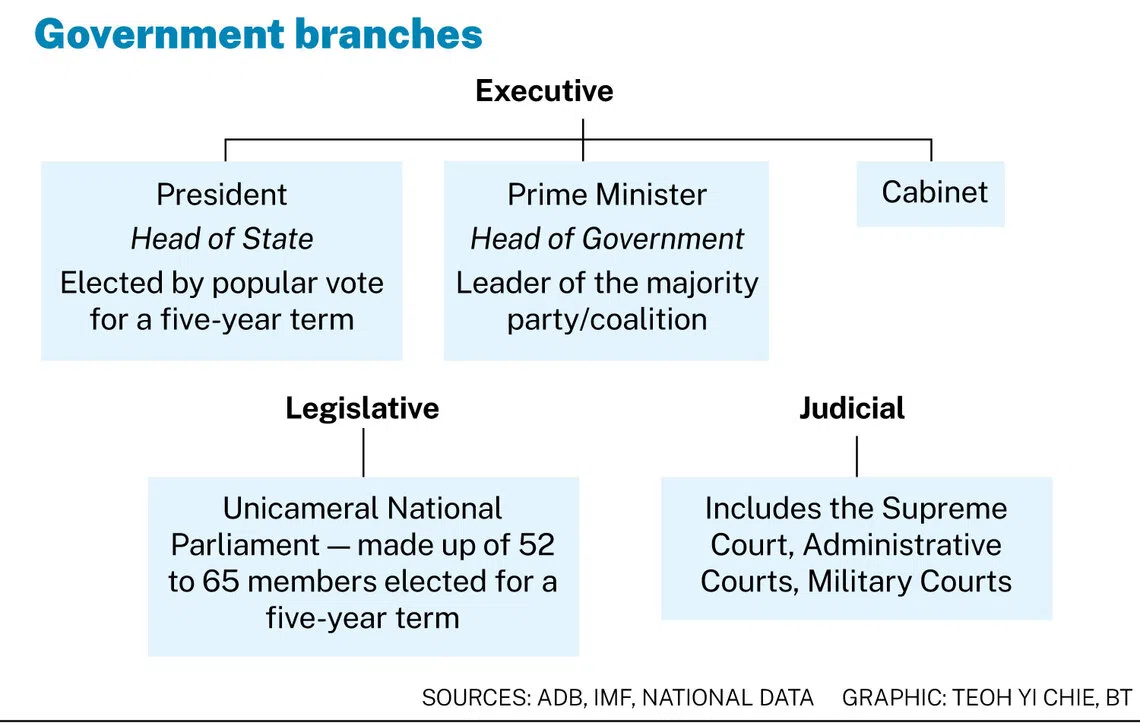
The main risks in Timor-Leste include its dependence on public spending financed by its Petroleum Fund, notes Liu.
Other pain points she raised include productivity gaps, with employers challenged by higher training costs and shortages of job-ready skills; as well as weak institutional predictability in the cases of lengthy land titling or permitting processes.
To woo investors, Timor-Leste can start by tackling these known bottlenecks, says Liu.
For one, the country can exercise discipline with its sovereign wealth fund by adopting a medium-term fiscal rule to cap withdrawals, prioritise growth-enhancing capital expenditure and broaden non-oil revenues.
She further suggests streamlining titling and leasing procedures and instituting a transparent one-stop permitting process with clear, enforceable timelines. On human capital gaps, the key lies in expanding targeted education and training, particularly in hospitality and logistics, to deliver job-ready skills and reduce onboarding costs.
The way Julia Lau, senior fellow and coordinator of the Indonesia Studies Programme at Iseas-Yusof Ishak Institute, sees it, the crux lies in legal certainty and whether the government can implement a robust framework that protects investors and consumers alike.
Timor-Leste has a basic regulatory regime on private investment, she points out. “It seeks to protect investors who invest above certain minimums and rewards those brave enough to invest in its rural areas beyond Dili and Baucau, for example.”
The government also codified its assurance about not nationalising certain lands or businesses, Lau highlights.
But a tricky issue in practice could be how the country’s lawyers are still trained in the Portuguese vernacular, alongside their own language Tetum, in a civil law system, she said.
“The rest of Asean will have to learn about this newest member and how to do business with it since no other regional country uses either language as an official one, while the standard of written and spoken English varies widely even among Timorese academics and government representatives.”
She cautions that foreigners may be frustrated by cultural differences and that, like in most developing countries, it is important for businesses venturing in to know insiders to get a foot in the door.
“It is probably wise to show the government and other local entities that one is vested for the longer haul and not just out to make a quick buck,” she advises.
“But taking the time to understand what makes Timor-Leste tick – as it has its own identity, ideology and politics, quite unlike any other existing Asean member despite some parallels – will likely pay off.”
