
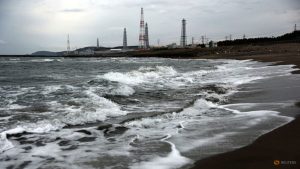






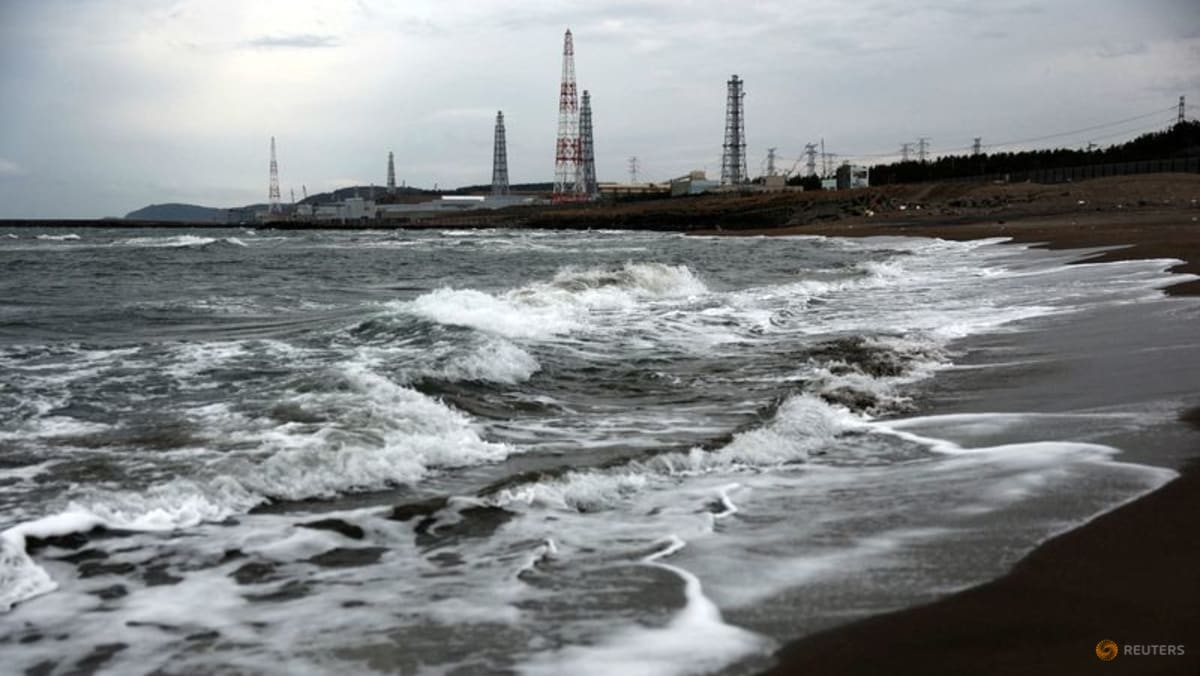
TOKYO, Jan 19 : Tokyo Electric Power will delay the restart of its Kashiwazaki-Kariwa nuclear power plant from the January 20 date originally scheduled, following an alarm malfunction, the company said on Monday.
The reactor restart, at a time when Japan is seeking to boost energy security and lower costs of fossil fuel imports, would have been TEPCO’s first since a 2011 tsunami destroyed its Fukushima Daiichi nuclear power plant.
The company had planned a January 20 restart of Unit No. 6 at Kashiwazaki-Kariwa, the world’s biggest nuclear plant, with Unit No. 7 to be restarted around 2030.
On Monday, a TEPCO spokesman said it would decide a restart date in consultation with the nuclear regulator after completing verification tests at the plant, set to run a further one or two days, after an alarm system malfunctioned over the weekend.
The new restart date should be within a few days, broadcaster NHK, which first reported the news, said earlier.
Kashiwazaki-Kariwa’s total capacity is 8.2 gigawatts. TEPCO has planned to resume commercial operations of reactor No. 6, which has 1.36 GW capacity, on February 26.
The restart of Kashiwazaki-Kariwa, is being closely watched as a test for TEPCO and Japan’s nuclear power industry at a time when Prime Minister Sanae Takaichi is pushing for new reactor build-ups, some via a new public funding scheme.
Japan has restarted 14 of the 33 reactors that remain operable after the shutdown of its fleet of 54 reactors in the wake of the Fukushima meltdown.
This month, Japan’s nuclear watchdog said it would order Chubu Electric Power to provide a detailed report on falsified seismic data and pause a review of the utility’s application to restart Hamaoka, its only atomic plant.
Chubu Electric’s President Kingo Hayashi stepped down as chairman of the Federation of Electric Power Companies on Friday, as he apologised for the incident.
“The electric power business cannot exist without public trust,” Hayashi told a briefing on Friday. “The erosion of that trust is extremely serious.”


