


Key obstacles include export permit regimes, project bankability and cross-border transmission financing
Published Wed, Oct 7, 2026 · 06:08 PM
SINGAPORE is set to fall short of its 2035 target of importing 6 gigawatts of low-carbon electricity by a wide margin, a report from research and consultancy firm Wood Mackenzie said on Wednesday (Oct 7).
The country has approved 9.25 GW of import capacity across six corridors, but none of the projects has reached financial close or begun construction, the report added.
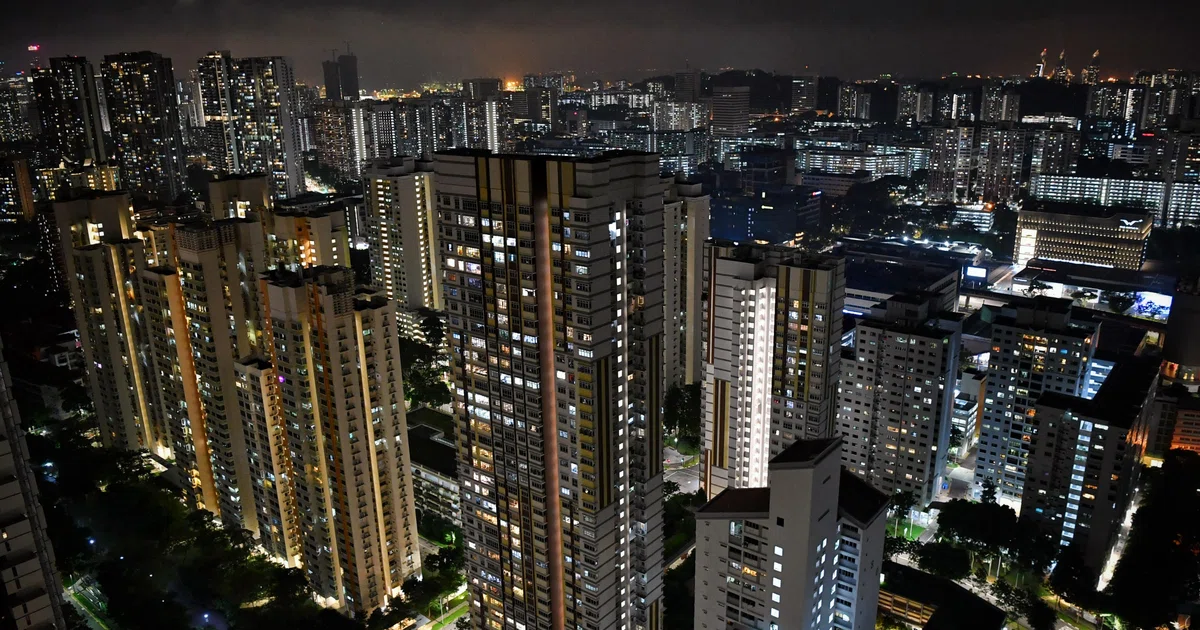
Singapore generates up to 95 per cent of its electricity from natural gas. By 2035, imported green power is likely to be at 2 per cent of its power generation mix. At 6 GW, imports would meet about a third of projected demand.
Key obstacles include export permit regimes, project bankability, cross-border transmission financing and the lack of a mechanism for buyers to claim the carbon value of imported power.
Malaysia is the only corridor with a credible path to delivery this decade through an existing interconnector with up to 1 GW of capacity.
EMA approved 900 MW of imports from Johor, Malaysia, in August, including 300 MW for Sembcorp Utilities that could begin supplying power by 2029.
The Business Times turns 50
Five decades of milestones and moments that shaped Singapore’s success story – told through our headlines.
Explore BT50
Sarawak, Malaysia, which has secured a cable supplier, is realistically targeting commercial operation in the mid-2030s.
Indonesia accounts for 37 per cent of the approved pipeline, but progress has stalled due to export permit requirements and local content rules.
Vietnam, Cambodia and Australia together account for 43 per cent of the pipeline, though all remain at the conditional approval stage with no visible construction timeline.
SEE ALSO
Imported power must compete with Singapore’s wholesale electricity price, while EMA has also expanded plans for hydrogen-ready gas-fired generation. REUTERS
