


Unsafe Injections Can Spread HIV, Hepatitis B, and Hepatitis C
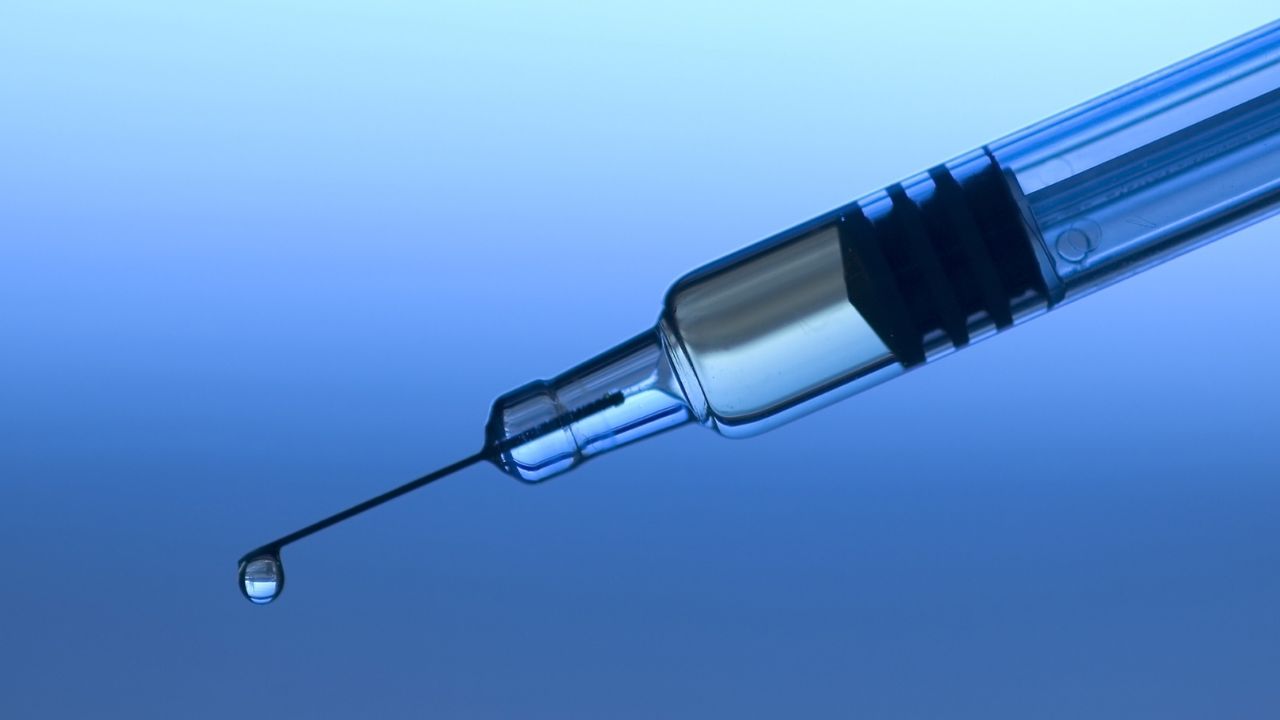
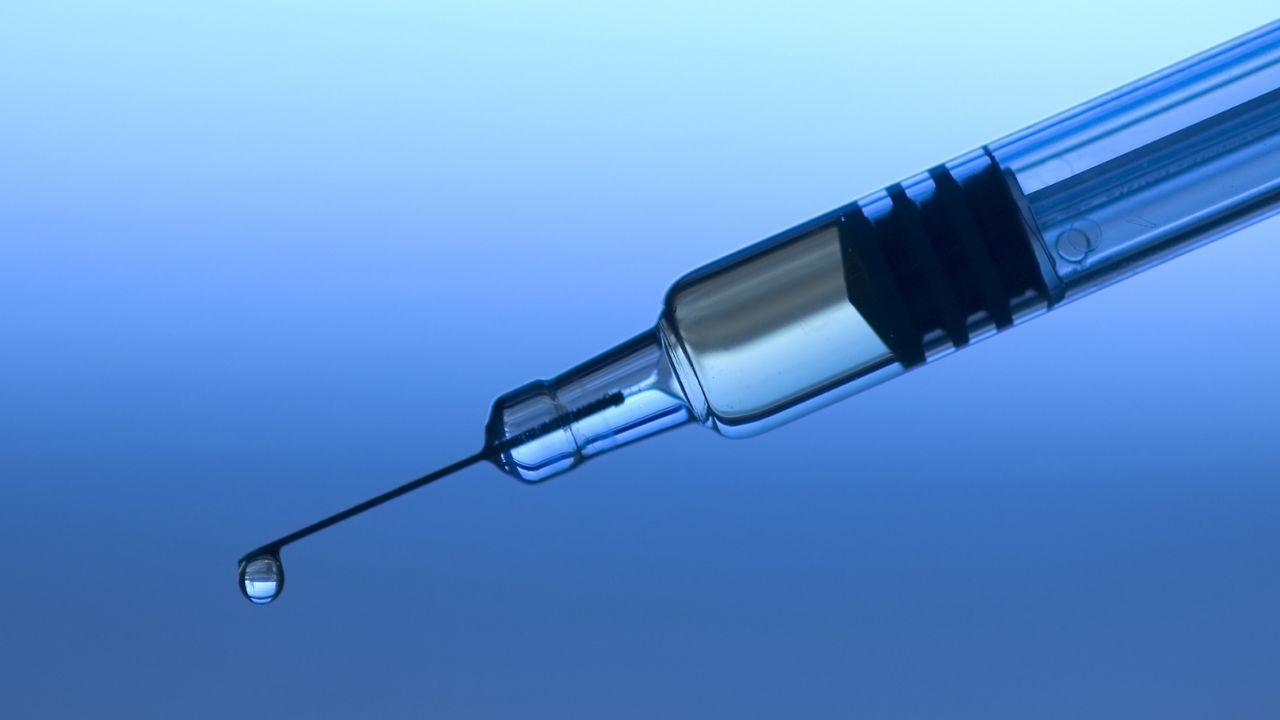
In a significant public health warning, the National Medical Commission (NMC) has directed medical colleges and healthcare institutions across India to strictly follow safe injection practices after concerns about the transmission of blood-borne infections such as HIV, Hepatitis B (HBV), and Hepatitis C (HCV). The advisory highlights that unsafe injection practices remain a preventable but serious threat to patient safety.
According to the NMC, the reuse of needles and syringes, improper handling of medication vials, poor infection control measures, and unsafe disposal of medical waste can contribute to the spread of life-threatening infections. The commission has emphasized a “zero tolerance” approach toward practices that compromise patient safety.
How Unsafe Injections Increase HIV Risk
HIV is primarily transmitted through unprotected sexual contact, sharing contaminated needles, and exposure to infected blood. When a needle or syringe used on an HIV-positive person is reused on another patient without proper sterilization, the virus can be transmitted directly into the bloodstream.
Although healthcare-associated HIV transmission is relatively uncommon, outbreaks linked to unsafe injection practices have been reported in India and other South Asian countries. Experts stress that such infections are entirely preventable when standard infection-control protocols are followed.
Hepatitis B and Hepatitis C: Often More Easily Transmitted
While HIV receives significant public attention, Hepatitis B and Hepatitis C are often transmitted more efficiently through contaminated needles and medical equipment. These viral infections can cause chronic liver disease, liver cirrhosis, liver failure, and liver cancer if left untreated.
Research has shown that unsafe medical injections continue to be an important contributor to the spread of blood-borne infections in developing countries, making injection safety a critical public health priority.
What the NMC Has Directed Healthcare Institutions to Do
The NMC has instructed all medical colleges and healthcare facilities to:
- Use only sterile, single-use needles and syringes.
- Strictly prohibit the reuse of injection equipment under any circumstances.
- Follow proper hand hygiene protocols.
- Ensure safe handling and disposal of sharps and biomedical waste.
- Strengthen infection prevention and control measures.
- Educate healthcare workers, students, and support staff on injection safety practices.
These measures are aimed at eliminating avoidable transmission of HIV, HBV, and HCV in healthcare settings
How Patients Can Protect Themselves
Patients also play an important role in ensuring their own safety. Before receiving an injection, patients should:
- Confirm that a new needle and syringe are being opened in front of them.
- Avoid receiving injections from unqualified practitioners.
- Seek treatment only from licensed healthcare facilities.
- Report any suspicious or unsafe practices to health authorities.
- Consider HIV and hepatitis testing if they suspect exposure to contaminated medical equipment.
When Should You Get Tested?
Anyone who believes they may have been exposed to unsafe injections should consider medical evaluation and screening. Early testing can help detect HIV, Hepatitis B, and Hepatitis C before symptoms appear.
Common situations that may warrant testing include:
- Receiving treatment from unlicensed healthcare providers.
- Exposure to reused needles or syringes.
- Unexplained medical procedures where sterilization standards were unclear.
- History of multiple injections in settings with poor infection-control practices.
DrSafeHands’ Message on Injection Safety
At DrSafeHands, we strongly support the NMC’s initiative to improve injection safety across India. Preventing HIV and hepatitis transmission requires a combination of responsible healthcare practices, patient awareness, and timely testing.
If you have concerns about possible exposure to HIV, Hepatitis B, or Hepatitis C through unsafe injections, our specialists can provide confidential consultation, risk assessment, and appropriate testing guidance. Early detection remains one of the most effective ways to protect your health and prevent complications.
The NMC’s advisory serves as an important reminder that simple safety measures can prevent serious infections. The use of sterile, single-use needles and strict infection-control practices is essential for protecting patients from HIV, Hepatitis B, and Hepatitis C. By staying informed and choosing qualified healthcare providers, individuals can significantly reduce their risk of exposure to blood-borne infections.
Medical Disclaimer
The information provided on this website, including blogs, articles, and other content published by DrSafeHands, is intended for general informational and educational purposes only. It is not intended to serve as a substitute for professional medical advice, diagnosis, or treatment.
While we strive to ensure that the information shared is accurate, up-to-date, and reliable, medical knowledge is constantly evolving. Therefore, DrSafeHands makes no guarantees regarding the completeness, accuracy, or reliability of any information presented.
Readers are strongly advised to consult a qualified healthcare professional or a licensed medical practitioner for any medical concerns, symptoms, or conditions. Do not disregard professional medical advice or delay seeking it because of something you have read on this website.
DrSafeHands does not promote self-diagnosis or self-medication. Any reliance you place on the information provided is strictly at your own risk.
In case of a medical emergency, please contact your doctor or visit the nearest healthcare facility immediately.
