



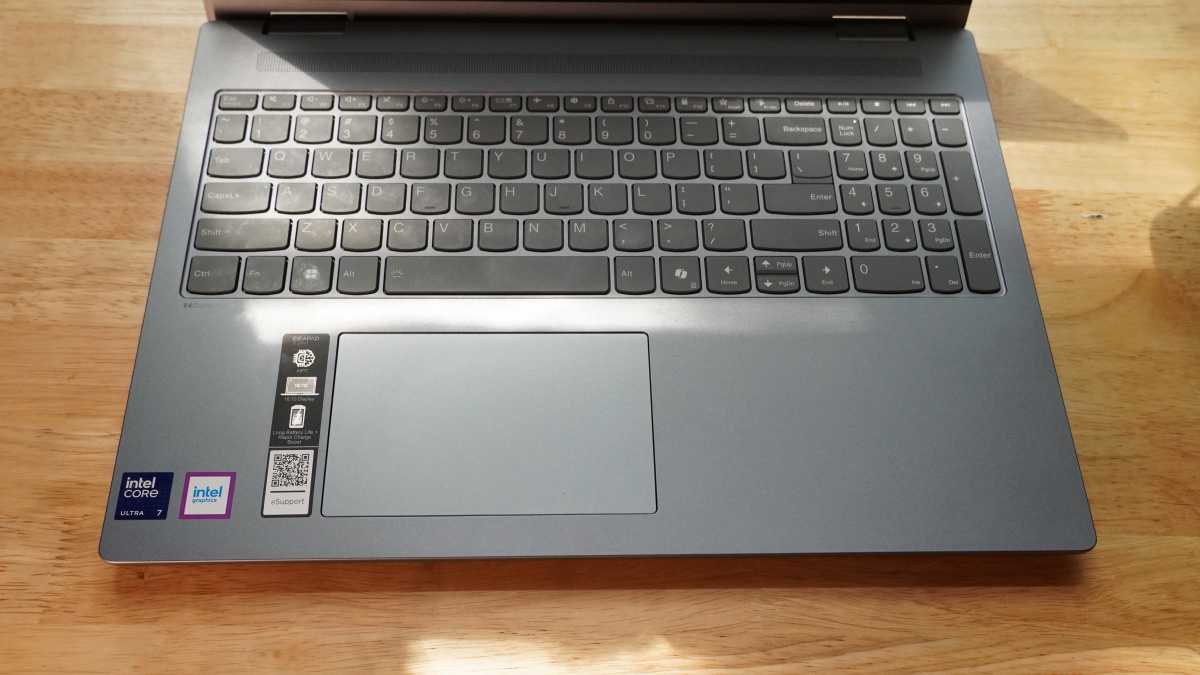
When Microsoft’s Copilot key first poofed into existence, I tilted my head and thought… Wait, another shortcut key? I’ve definitely been here before. Does anyone remember the Cortana key? The Office key? The F-Lock key? I hear nothing but the sound of crickets from the peanut gallery, and that’s because none of them stood the test of time.
So, why do new shortcut keys (like Microsoft Copilot) fail to launch? Or maybe launch in the way companies want them to?
Well, the answer is embarrassingly simple. Those keys were just plain unnecessary or confusing. Sure, they helped a tiny slice of people, but they weren’t really built for the rest of us. If it doesn’t save you time or actually make life easier, then why bother? Were those keys even made for real people?
Microsoft’s shortcut key graveyard
Let’s pour one out for the keys that never made their mark in history. The Cortana key, for instance, summoned Microsoft’s voice assistant. The key was supposed to save you the time it’d take to enter the Windows key + C combination, which activated Cortana’s listening mode. But in practice, it was actually quicker to just use that combo, and people prefer to stick with something they’re already familiar with. Many folks didn’t like the idea of Cortana “actively listening,” either–it rightfully raised some privacy concerns.
The Office key is another one, which is similar to today’s Copilot key. It promised quick access to Word and Excel, but what it really did was relentlessly pester you into opening Word and Excel. It wasn’t all that helpful for most people, in fact it was mostly chaos.
The F-Lock key was an oddball, that’s for sure. It toggled between standard function and special function, and nobody knew what the heck that meant or if it was on or off. Set it off and suddenly your F5 key is trying to open the calculator instead of refreshing the web page.
These keys, as you might’ve guessed, quietly faded out with time. But that raises a real big question, that question being…
Why don’t these shortcuts ever stick?
IDG / Mark Knapp
Muscle memory is such a deeply ingrained thing, isn’t it? It’s in everything, especially in how we type and interact with our computers and other tech. Throw in or take out a random key and boom! Everything’s all topsy-turvey. For the majority of folks, daily habits are difficult to break and re-wire. But what about accessibility users? Abrupt, unwelcome changes to their keyboard may very well be catastrophic to their daily flow.
Unless people are taught to use these keys, they just go, well, unused, taking up valuable real estate on the keyboard — and crucially changing the standard placement of keys, just shifting everything a wee bit off. There’s nothing more panic-inducing than accidentally pressing the wrong key, especially if you’re in the middle of a work presentation–it just disrupts your whole flow and throws you off.
AI is the golden goose right now

OpenAI
AI’s the new “it” girl at the party and everyone’s chasing her (a little creepy, if you ask me). And Microsoft is jumping on this trend like a lion on a gazelle by hardwiring AI directly into the hardware. It’s probably the fastest way to get to Microsoft’s AI assistant. Press the key down and up pops Copilot, and it’s ready to draft your e-mails or conjure up images.
On paper, that sounds cool. But AI hit like a crashing wave and before we knew it, we were entirely submerged. For me, I’d rather be the one to decide when and if I jump in. I don’t want anyone to make that choice (looking at you, Microsoft) for me.
Is Copilot doomed?
So, what do these shortcut keys (now ancient relics) tell us about Copilot’s chances?
The hype builds and builds, then there’s the heavy marketing push, and then… cue the tumbleweeds. Companies often roll out shiny new things, it’s kind of par for the course. But at the same time, it’s important to acknowledge the weird disconnect between what users actually want and what Microsoft keeps trying to spoonfeed them with these dedicated keys.
I think it’s still too soon to know if the Copilot key will join the graveyard of forgotten keys. If it fits naturally into one’s workflow and day-to-day life, then sure. But if Reddit is anything to go by, the response is very mixed. It seems to help as much as it hinders.
The takeaway
I really get why Microsoft’s pushing with the Copilot key, I really do. It could help people, especially if it genuinely boosts productivity. But shortcuts work only if they serve us and not the other way around. Given Microsoft’s disastrous history with dedicated keys, and people generally shrugging at Copilot, I worry this will wind up being just another victim buried deep in Microsoft’s keyboard graveyard.
