


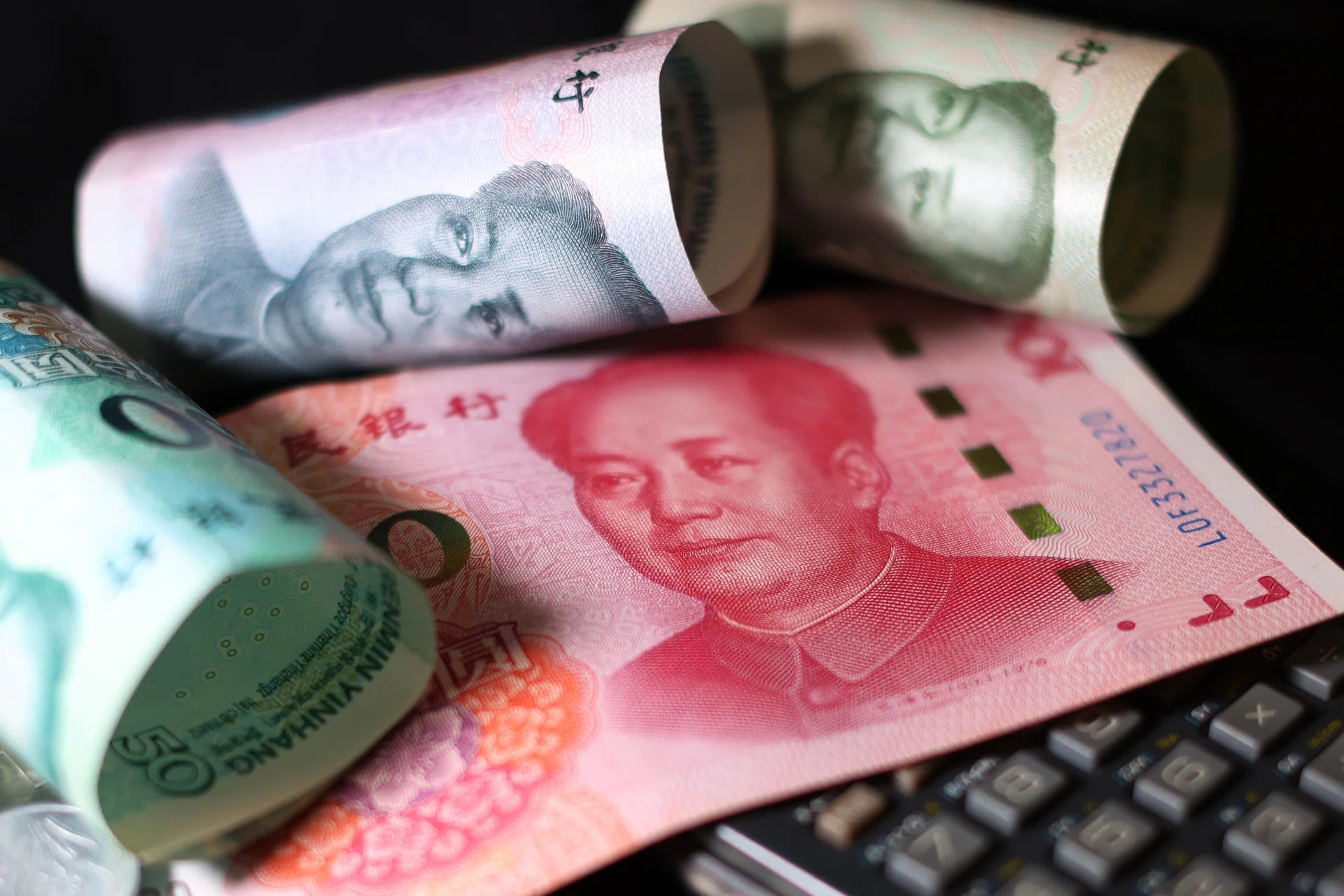
When it comes to renminbi internationalisation, watch what the country does, not what it says
ZHOU Xiaochuan, former governor of the People’s Bank of China, advocated for renminbi internationalisation during the 2008 financial crisis, arguing the world relied excessively on the dollar.
He sought the renminbi’s entry into the International Monetary Fund’s special drawing rights basket.
However, for Zhou, internationalisation of the currency was a vehicle to push for domestic financial market liberalisation and reform. This push languished after Chinese financial market hiccoughs in 2015-16.
But it re-emerged as a focal point as geopolitical tensions rose, the US became more protectionist and Russian central bank assets were blocked in 2022. President Xi Jinping and the latest five-year plan have both identified the need for renminbi internationalisation.
The dollar’s global status arose organically, reflecting properties of the US economic and financial system, including the openness, depth and liquidity of America’s capital markets, and rule of law.
To the extent China is pursuing internationalisation, it is largely a state-driven model.
Renminbi as a means of payment
Progress is most notable as a means of payment. Some one-third of Chinese trade is settled in renminbi. That figure jumped reflecting Russia’s and Iran’s dependence on China.
Trade is at the heart of China’s growth model, and much is conducted by Chinese state-owned enterprises following the government’s direction.
China has sought to advance renminbi usage via the Belt and Road Initiative, the New Development Bank and swap lines.
Its Cross-Border Interbank Payments System (CIPS) has been growing, especially in 2026, but from a low base – CIPS volume in 2025 was US$26 trillion versus US$526 trillion for the US-based Clearing House Interbank Payments System.
China is involved in Project mBridge, a multilateral project relying on payments in the central bank’s digital renminbi, which has found little traction.
As a unit of account, the renminbi’s share of global trade finance is well under 10 per cent. There has been fanciful talk of a “petroyuan” given the US-Israel war on Iran. However, oil remains denominated in dollars, Gulf states peg their currencies to the dollar and they seek US defence hardware.
A currency’s store of value function is key for a fully international currency. On this metric, the renminbi’s role is highly limited.
As a share of global reserves, it has fallen in recent years to 2 per cent from 3 per cent. The renminbi’s use in SWIFT is under 3 per cent.
Retaining control
China lacks the wealth and diversity of investible financial market assets that exist in US and European centres.
That reflects in considerable measure the authorities’ desire to maintain control over China’s financial system, avoid potential instability associated with market ups and downs and retain monetary sovereignty, including an undervalued exchange rate.
Those wishes are reinforced through capital controls and a lack of convertibility. Investors express concern about being able to get in and out of the Chinese markets.
China has sought to allow greater scope for internationalisation, segmenting the renminbi’s international and domestic roles by shifting international activity to Hong Kong and domestic to Shanghai or Beijing. Segmentation is an untested currency development model.
The renminbi’s international role, especially in the Asian region as a vehicle for trade and payments, may well expand in the coming years.
But it is not clear the authorities even wish for a fully internationalised currency, and the jury is out on whether a state-driven currency internationalisation model can work.
That said, so long as China’s financial markets remain underdeveloped, capital controls are retained and convertibility is lacking, and the authorities are unprepared to allow market mechanisms play a greater role in Chinese monetary policy, the renminbi’s growth as an international currency will remain modest and constrained. OMFIF
The writer is vice-chair and chief economist of the Official Monetary and Financial Institutions Forum (OMFIF)
