







Published Mon, Jun 8, 2026 · 07:21 PM
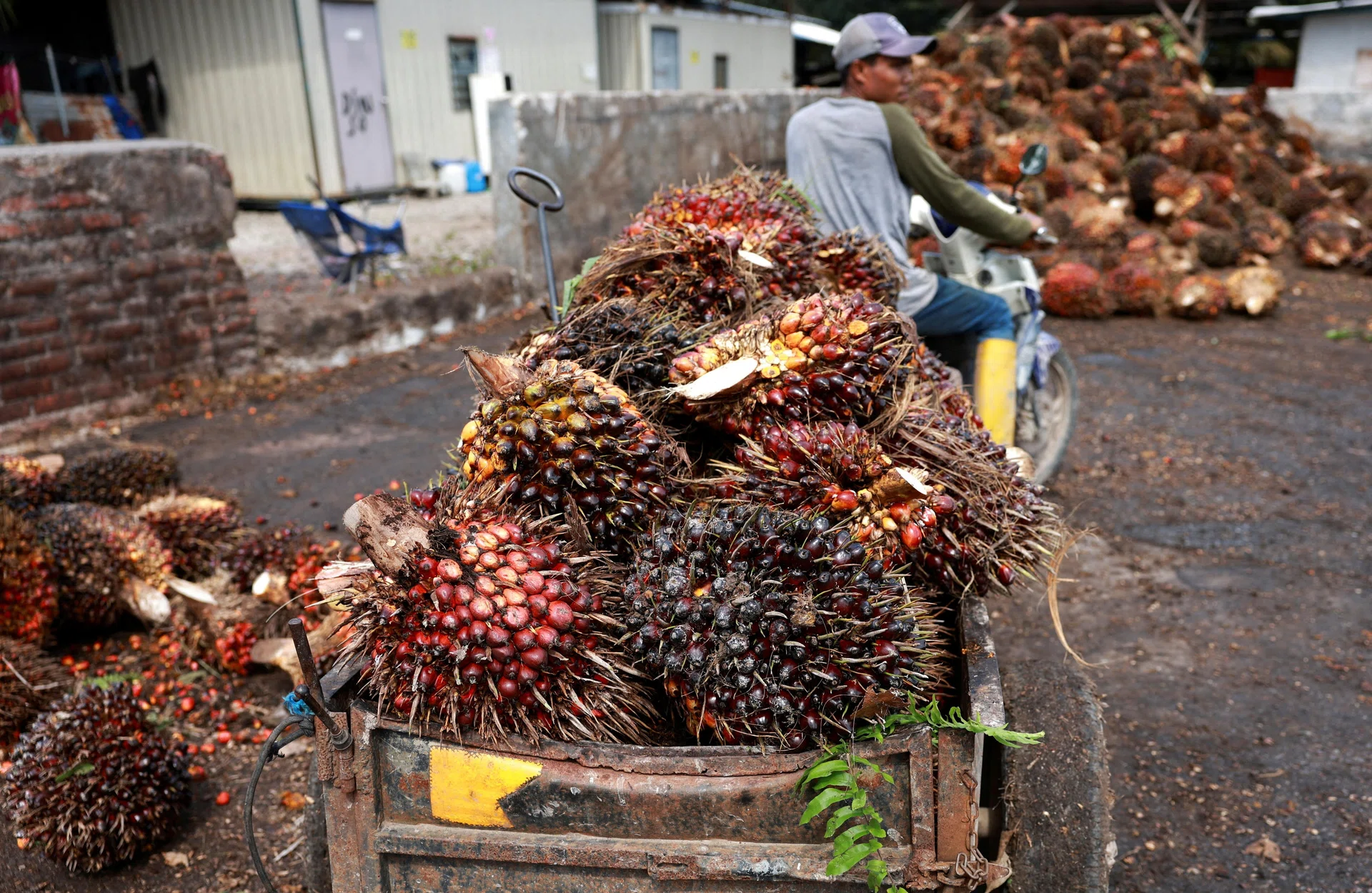
INDONESIA’S agriculture minister has asked police to investigate hundreds of palm oil companies that failed to pay farmers more as prices recovered from a slump driven by the country’s new export policy.
The ministry has received reports on 270 to 300 firms that have not adjusted their prices over the past few days and has submitted the information to police, including special crime units, Minister Amran Sulaiman said after meeting with local government officials, the palm oil industry association and farmers groups on Monday (Jun 8).
Sulaiman said he’d asked the police to carry out proper investigations before taking any enforcement action. Most of Indonesia’s around 1,900 palm oil companies have increased the prices paid to farmers, he said.
The move is another instance of the government intervening in the palm oil market after it announced late last month it would take control of some key commodity exports in a sweeping overhaul.
Indonesian palm oil prices fell after the policy was announced on fears shipments would slow down and stockpiles would swell, but have since recouped most of the losses.
All parties at the meeting agreed there should be no further decline in Indonesian palm oil prices, Sulaiman said. “There are around 15 million farmers, and we cannot allow them to suffer losses,” he said, adding that the weakening rupiah should be beneficial for exports and farmers.
Prices of fresh fruit bunches were about 3,800 rupiah (S$0.27) a kilogram before the policy was announced on May 20, according to a farmers group. They subsequently fell as low as 1,500 rupiah, before recovering to 3,400 rupiah on Friday.
Benchmark palm oil futures in Kuala Lumpur also dropped after the export policy was announced on the prospect of Indonesian producers rushing to sell before the new system fully takes effect.
They’ve since recovered from those losses, and climbed as much as 1 per cent to RM4,599 (S$1,456) a ton on Monday after a two-day drop.
Methods for deciding how prices paid to farmers and export prices will be set under the new policy have so far not been explained, said Mansuetus Darto, chairman of the Association of Indonesian Oil Palm Farmers’ Organizations, which represents smaller growers.
Farmers are also are facing rising fuel costs that could erode their income, he said. BLOOMBERG
Decoding Asia newsletter: your guide to navigating Asia in a new global order. Sign up here to get Decoding Asia newsletter. Delivered to your inbox. Free.


