








Initiatives include an intercropping programme which has helped Indonesian farmers boost their income 15%
[SINGAPORE] In Indonesia, by growing additional crops alongside cocoa, farmers are increasing their incomes while also supplying nutritious food to local school meal programmes.
Those participating in intercropping programmes have reported income increases of 10 to 15 per cent within four months.
The win is part of a broader strategy rolled out by The Rockefeller Foundation, a century-old institution.
Other recent examples of programmes include extreme heat research and resilience work in Singapore. There are also efforts related to transition finance, carbon markets and sustainable rice production across South-east Asia.
The foundation, whose headquarters is in New York, functions globally. It sees Asia as an important gateway to resolving certain global issues.
In the region, it has focused primarily on energy access and transition, sustainable food systems, climate and health.
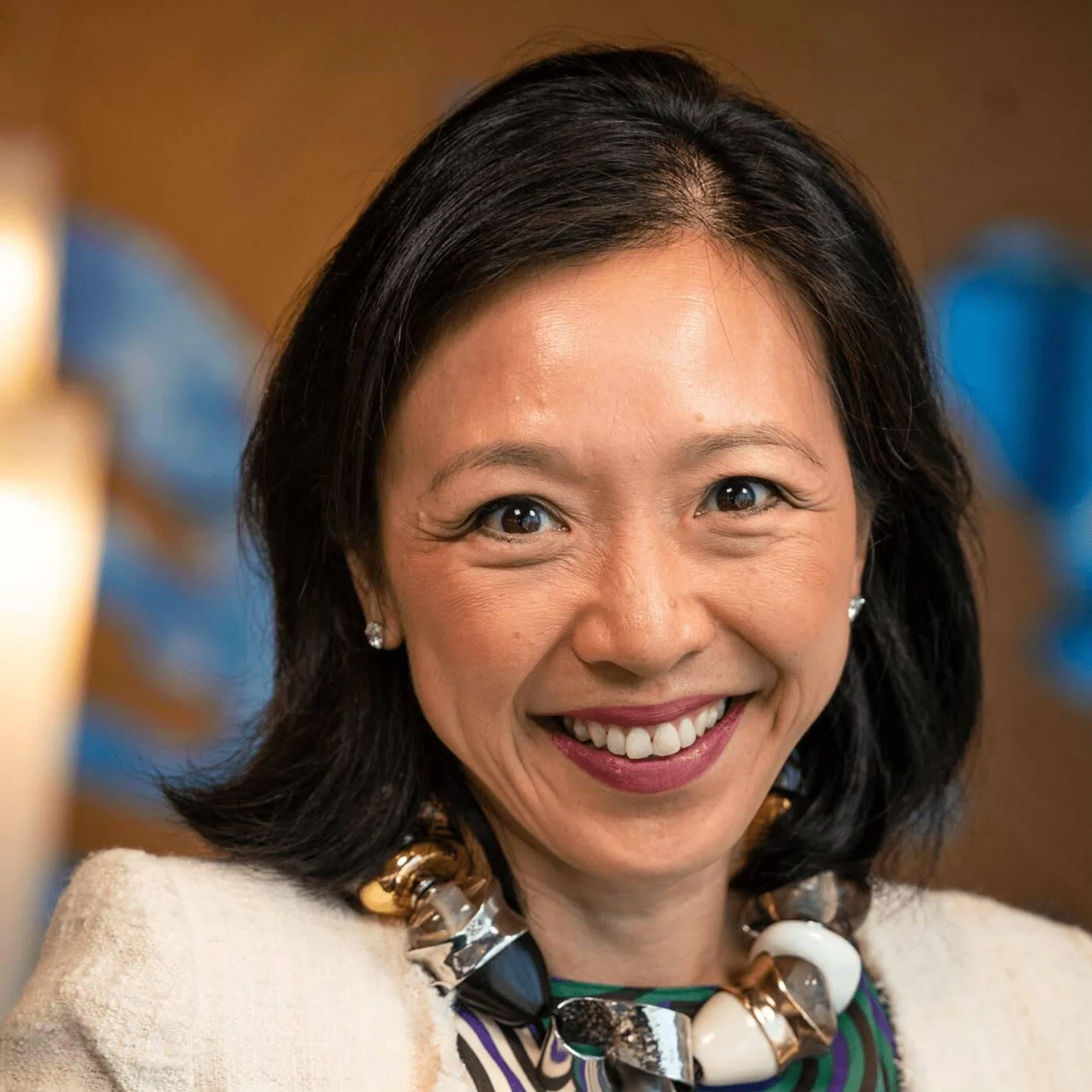
“We (also) see Singapore as an important place to mobilise ideas and capital that can help advance solutions across Asia and beyond,” said Elizabeth Yee, executive vice-president of programmes at the foundation.
Making this impact last requires moving far beyond traditional donation cheques.
The Rockefeller Foundation was established in 1913 through an endowment from John D Rockefeller. Today, that endowment is about US$6 billion to US$6.5 billion.
SEE ALSO

The income generated from those assets funds the foundation’s grant-making and mission-driven work, said Yee.
The foundation uses its whole balance sheet to generate impact, she noted, adding: “While a major investment might launch a bold initiative, money alone cannot sustain it. No amount of funding can substitute for the relationships and shared ownership.”
It has therefore over the years adopted a range of instruments that include grants, catalytic investments and other forms of innovative finance.
The foundation believes that philanthropy can play a role as a neutral actor that brings together governments, businesses, non-governmental organisations and other partners to tackle complex challenges and create opportunities for collaboration.
The Rockefeller Foundation often convenes stakeholders over a period of time, in a series of conversations. The launch of programmes such as the Global Impact Investing Network and the Global Alliance for People and Planet were results of such initiatives.
Also, depending on the challenge, different tools are utilised. “That is why our work combines traditional grant-making with other approaches that can help drive broader systemic change,” said Yee.
To assess the success of each programme, the foundation publishes an annual impact report.
“We also look at the leverage generated through our investments. In Asia and Oceania, for example, we recently mobilised about US$94 million in leveraged capital across 65 initiatives,” she added.
But beyond the spreadsheets, success is measured on the ground. This is done by tracking how farmer incomes and community health improve; and engaging with stakeholders such as governments and private-sector partners.
Yee added that the foundation funds research, evidence and data that help policymakers and other stakeholders make informed decisions. For the future, it is committed to attracting like-minded parties.
“When we bring the right people together in the right way, we build not just better strategies, but stronger relationships and lasting change. That’s the power of (bringing the right parties to the table),” she said.


