


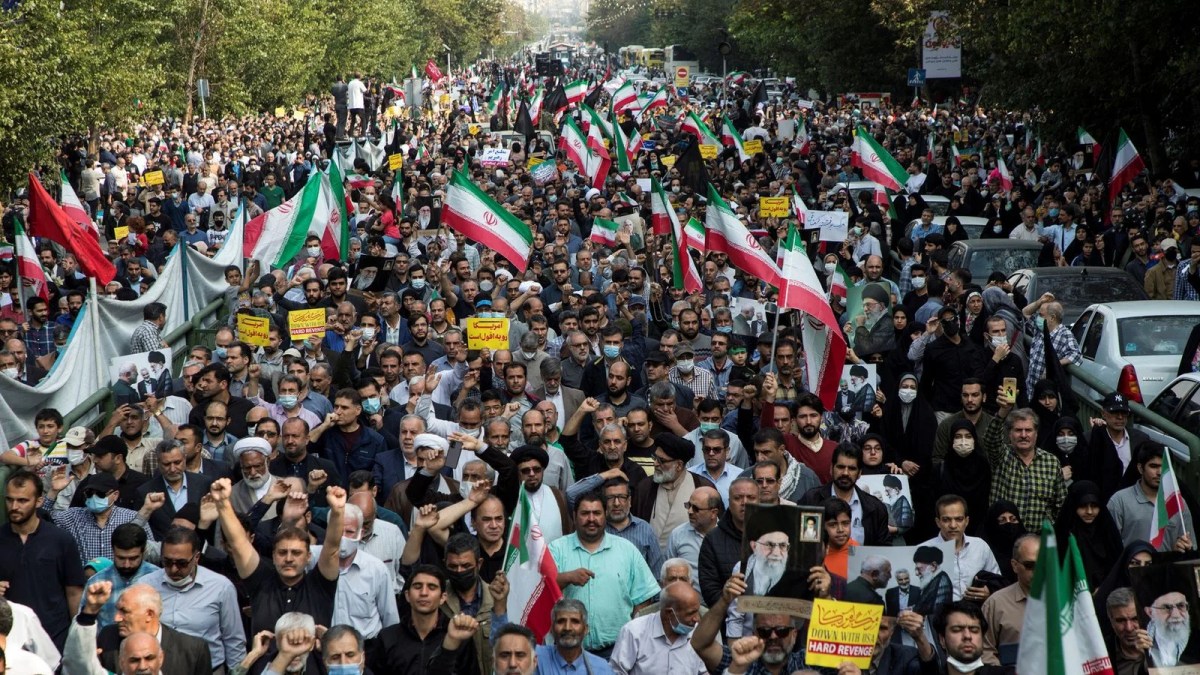

Iran stands as one of the world’s most sanctioned countries, making it a revealing case study for understanding the true impact of economic sanctions. Over decades, a complex web of international measures—led by the United States, Canada, the European Union, and the United Nations—has targeted Iran’s nuclear ambitions, military projects, and alleged human rights abuses. But what do these sanctions actually do to a country’s economy, its people, and its political behavior?

The legal structure of sanctions against Iran is complex and constantly changing. Since 1979, the United States has signed a chain of executive orders and legislation, progressively restricting trade, finance, and technology. Canada, for example, imposed sanctions under the Special Economic Measures Act and the United Nations Act in response to Iran’s human rights abuses and nuclear activities. These sanctions have taken the form of bans on sensitive technology exports, asset freezes, and bans on financial transactions with listed Iranian entities. Through time, the sanctions have been modified to suit new geopolitical realities, e.g., the Joint Comprehensive Plan of Action (JCPOA) in 2015, which relaxed some restrictions temporarily before being revoked once again.

The macroeconomic impact of sanctions on Iran is stark. As the JCPOA was enforced, Iran’s GDP jumped 8.8%, fueled by resumed oil exports and access to blocked assets. But the re-imposition of U.S. sanctions in 2018 plunged the economy into recession, with two consecutive years of declining growth and a precipitous fall in industrial production. Inflation reached more than 40%, and the Iranian rial depreciated its value considerably, creating a black market for currency and increasing the price of imports. Food inflation also reached almost 60%, and the percentage of the population living in poverty started rising after its decline over several years. Studies found that roughly 10% of Iranian families ended up living in poverty during sanction times, with rural, young, and low-educated households being the hardest hit.

Sanctions had the hardest impact on Iran’s oil industry, cutting export revenues and compelling the government to ration money and prioritize vital imports. The manufacturing industry contracted hard, but services and agriculture were more resilient as they were domestically oriented. Surprisingly, sanctions have also warped the informal economy. Sanctions reduced the official economy but destroyed the shadow economy as well, causing increased unemployment and lower purchasing power. The informal economy, which is usually a source of support for the poor, turned out to be even more vulnerable to economic shocks than official GDP reports indicate.

Socially, sanctions have increased inequality and affected employment, particularly among women and youth. The youth unemployment rate among women rose to 42%, significantly higher than that of male youth unemployment. Female factory employment was disproportionately hit, especially among sectors that were dependent on imported inputs. Income inequality measured by the Gini coefficient increased during oil booms and sanctions relief, perhaps on account of heightened rent-seeking and corruption. The declining middle class and increased poverty have eroded social stability and aggravated popular discontent.

But do sanctions work? Middle East specialist and co-author of “How Sanctions Work: Iran and the Impact of Economic Warfare,” Vali Nasr, says, “What we found is that it works in ways that we don’t want it to work.”. And it doesn’t function as we wish it would.” Instead of compelling regime change or shaping state behavior, sanctions have tended to strengthen the Iranian state and military at the expense of the ordinary citizen. Over 20% of the middle class has dropped below the poverty level, and 80% of Iranians now subsist on government handouts.

Iran has responded creatively to sanctions. Exporters have redirected trade to non-sanctioning nations, usually at reduced prices. National industries have replaced European inputs with Chinese or Turkish ones, sometimes more expensively. Businesses have reduced research and development for survival, which could harm long-term competitiveness. The state has diverted expenditures from health and education towards military endeavours, particularly when security threats increase. Sanctions have also spurred environmental degradation by de-emphasizing ecological concerns and boosting the usage of fossil fuels.

The sanctions debate remains open. Some contend that they are called to restrain risky behavior, while others cite their humanitarian cost and marginal success. Recent U.S. and Canadian policy reconsiderations have attempted to exempt humanitarian assistance, but currency depreciation and supply chain interruption continue to render medicine and medical devices out of reach for many Iranians.

In the end, what Iran’s experience demonstrates is that sanctions are a crude instrument. They remake economies, societies, and political incentives in unforeseeable ways. While they can retard nuclear or military programs, they also make people poorer, drive inequality, and sometimes cement the very regimes that they are intended to undermine. The history of sanctions against Iran is a cautionary tale of the unintended effects of economic warfare—a tale that is still being written with each new wave of international penalties.
