


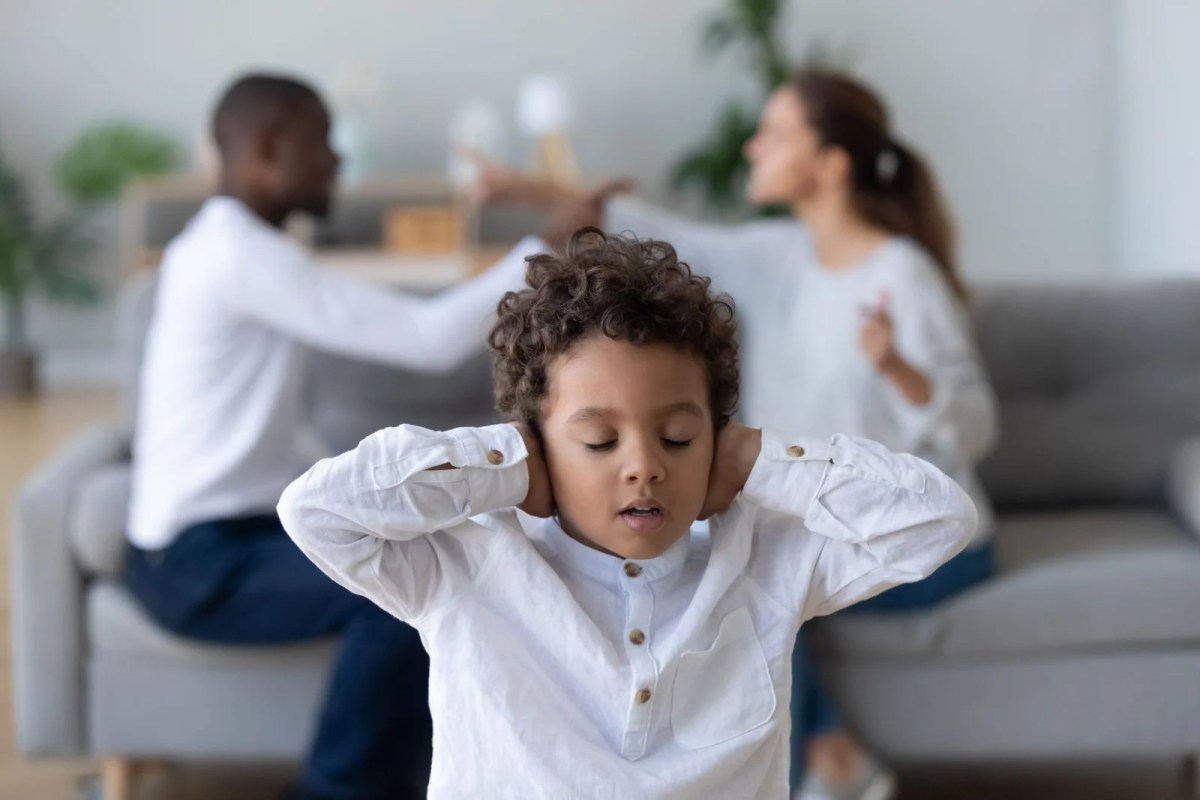

We often forget to discuss the impact of past trauma and lack of care in our childhood, which still affects the way we relate to others when we become adults, particularly in sharing intimacy. If it has crossed your mind how being deeply loving to another can still appear complicated or how a stable relationship can be filled with conflicts, then rest assured, you are in good The majority of those in relationships are indeed dealing with emotional scars from their childhood, and these scars may appear in the places where you are least shielded.

For those who experienced trauma—particularly trauma—the path to healthy intimacy is usually complicated by concerns about trust, safety, and vulnerability. As outlined by Ruth Cohn, “Safety is a necessary ingredient. Even animals in the wild will immediately dispense with mating activity when there is a predator in the area. It is said that safety is the key to passion; that when safety is established between partners, passion will ensue.” For survivors, the body’s automatic reaction to danger—fight, flight, or freeze—can become entwined with mating excitement, causing excitement to feel like fear and making what should be enjoyable into something overwhelming or even terrifying.

Neglect, however, also leaves its stamp. The emotionally or physically neglected children tend to become intensely self-sufficient, learning not to require anyone. When they become adults, they might find it hard to communicate their needs or even identify them. Touch and physical closeness may feel alien, and mating might become the sole acceptable venue for connection—sometimes with desperation or a sense of emptiness. As Cohn points out, these children who have been neglected may become adults who “bring all the disconnection from and conflict about their need for relationships. Often by adulthood, they have mastered the art of ‘not needing’ anything from anyone. So relationship is not easy for them or with them. Giving and receiving may be complicated at best.”

When these two histories—trauma and neglect—intersect in a couple, the dynamic can be particularly difficult. It’s not unusual for trauma survivors to date neglect survivors, both of whom unconsciously reenact their family dynamics. The trauma survivor might feel unworthy, anxious, or triggered by overtures, while the neglect survivor might feel rejected, angry, or persistent, hungry for the contact they didn’t receive as children. What you get is a cycle of escalation, as each partner’s hurt evokes the other’s, resulting in pain, miscommunication, and sometimes a total breakdown of intimacy.

It’s not all about the past, either. There’s also a biological spin on things. When we fall in love, our brains are filled with a mix of chemicals—phenylethylamine, dopamine, norepinephrine—that produce the high of new romance. This “PEA effect” lasts six to eighteen months, making mating simple, enjoyable, and frequent. But once the chemicals wear off, couples are left with their baseline levels of desire, which can be vastly different. The media might say there’s a “normal” level of mating, but in truth, libido is as unique as a fingerprint, influenced by hormones, stress, and—yes—even our emotional past.

For traumatic and neglected couples, the honeymoon coming to an end is a heartless joke. Suddenly, making love is difficult, triggers are everywhere, and old injuries are reopened. The higher-desire partner feels rejected, and the lower-desire partner feels pressured or objectified. Both can blame each other, but as Cohn reminds us, “it always takes two to escalate.” The true perpetrator is usually the unreprocessed pain of childhood, which can be responsible for 90% of the emotional energy in a fight, with just 10% from the current situation.

It’s not easy to heal these patterns, but it can be done. The secret is processing—bringing in the bits of memory, feeling, and emotion from the past into conscious awareness, where they can be integrated and laid to rest. This sometimes means talking out bad experiences, feeling the feelings in the body, and relating them to a loving partner. It’s not a matter of blaming and pathologizing one individual; it’s about seeing that both partners are vulnerable, and both must accept responsibility for their contribution to the dynamic.

Therapy can be a lifeline in this case, particularly techniques that engage the mind and body. Sensorimotor sequencing, mindfulness, and somatic experiencing can guide survivors through the bodily sensations of trauma, while couples therapy can cultivate understanding and empathy. Medication might alleviate depression or anxiety, but balancing the benefits with its effect on desire and pleasure should be done.

In the end, healing, loving, following trauma and neglect is a process—not an overnight cure. It demands patience, education, and a desire to be vulnerable. As Cohn puts it, “It is a tragic injustice that any human being be deprived of the chance to love freely and fully. It is my fervent desire to assist in reclaiming that natural and essential birthright. Every day, I know it can be accomplished.” For couples who are ready to work, a greater depth of intimacy and connection is possible—one that is deeper, stronger, and alive.
