






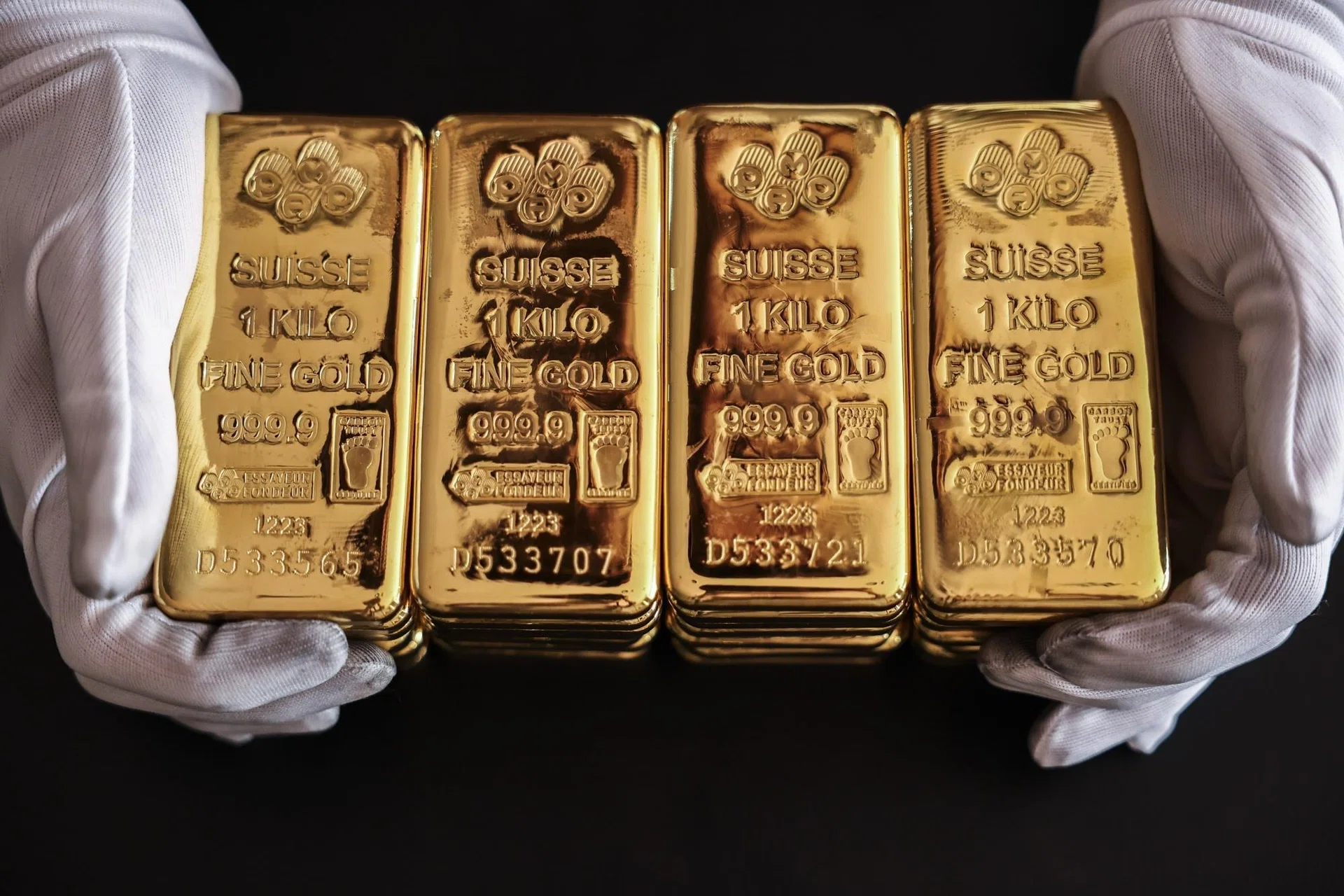
The metal has erased much of the gain from earlier in the week that was largely fuelled by dip-buying
Published Fri, Jul 24, 2026 · 08:34 AM — Updated Fri, Jul 24, 2026 · 02:21 PM
[SINGAPORE] Gold extended a retreat on Friday (Jul 24) as the widening conflict in the Middle East lifted energy prices and increased expectations the US Federal Reserve will tighten monetary policy to contain inflation.
Bullion fell as much as 0.7 per cent to around US$4,020 an ounce after declining 2 per cent the day before, erasing much of the gain from earlier in the week that was largely fuelled by dip-buying.
The war is in a new phase of escalation after the effective collapse of a truce signed in June.
US President Donald Trump has threatened to step up strikes on Iran and said he will hold the country responsible for any further attacks by Yemen-based Houthis on Red Sea ships.
Benchmark Brent crude oil rallied above US$100 a barrel for the first time since May, while two-year Treasury yields rose for a sixth straight day on Thursday.
Adding to the uncertainty, the US announced it will collect duties of between 10 per cent and 12.5 per cent on imports from most major trading partners, alleging forced labour in their supply chains.
It is Trump’s broadest move toward restoring his protectionist tariff regime since his earlier levies were struck down by the Supreme Court.
Rising energy prices, alongside a seemingly resilient US labour market, increase the possibility that the Fed will raise interest rates. Higher borrowing costs are a headwind for the non-yielding precious metal.
“The recent rally lacks fundamental support. If the bullish money runs dry, the rally will be like a castle in the air,” China Zheshang Bank analysts wrote in a note.
“Should the Strait of Hormuz remain closed, oil prices stay high while the Fed maintains a hawkish stance, the gold price rebound will be unsustainable,” they wrote.
Swap traders currently see a 34 per cent chance that the Fed will lift rates at a meeting next week. At least one hike is already priced in for September, and a second could come before the end of 2026.
Gold has largely hovered around US$4,000 since late June, which some traders see as a key support level.
It is down by roughly a quarter since the US and Israel launched strikes on Iran in late February, helping to end a multi-year bull run that had carried the metal to a record high near US$5,600 in January.
Spot gold was down 0.5 per cent at US$4,030.90 an ounce as of 11.46 am in Singapore. Silver was 0.4 per cent lower at US$57.34 an ounce, after falling 3.6 per cent in the prior session.
Platinum and palladium also declined. The Bloomberg Dollar Spot Index, a gauge of the US currency, was little changed after rising 0.3 per cent on Thursday. BLOOMBERG


