


Anyone who wants to give away PC games via Steam has often stumbled over high hurdles. A new update to the platform changes this fundamentally. Purchases as a guest and sending via email make the process much more flexible for all users.
New ways for digital gifts
Valve has released an update for its Steam distribution platform that restructures the purchase of gifts. From now on, users can purchase and give away PC games without having a user account. This makes it easier, especially for people outside the gaming community, to give digital gifts to relatives or acquaintances. Until now, such projects have often failed due to the need for an own profile. In the past, guest access was limited to hardware and prepaid cards. Now all titles can be sent directly to the recipient via email. A prior friend request on the platform is no longer necessary, which increases the surprise effect. The recipient receives a link and, once clicked, simply needs to log in to add the title to their digital library.
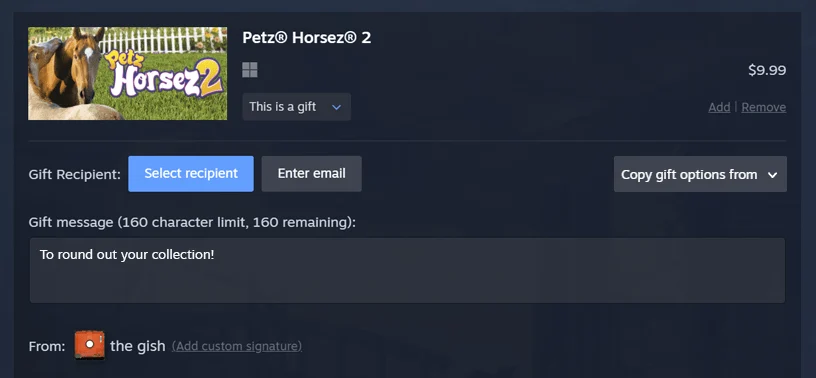
Borders and regional hurdles
Like the company in one Blog post explains, there are technical limitations to email delivery. The buyer and recipient must necessarily live in the same country. This is intended to prevent price differences between different economic areas from being exploited. In addition, deliveries cannot be scheduled for a future date. If the gifts are not redeemed within 30 days, an automatic refund will be made to the buyer. The system offers a separate solution for cross-border gifts. If both parties are on the friends list, the software automatically calculates the purchase price based on the recipient’s region. Previously, users had to use prepaid cards for this.
Sortable wish lists
The innovations are accompanied by revised wish lists. Players can now divide their favorite titles into specific categories. The update brings with it some central functions:
If a guest clicks on a shared link and selects a game, the owner of the list is automatically added to the shopping cart as a recipient. This simplifies the process significantly, but limits the traditional option of giving physical greeting cards with a printed code. Steam had already removed the option due to fraud risks.

