


The groundswell of support for deregulation has meant that political appetite for new rules has been in short supply
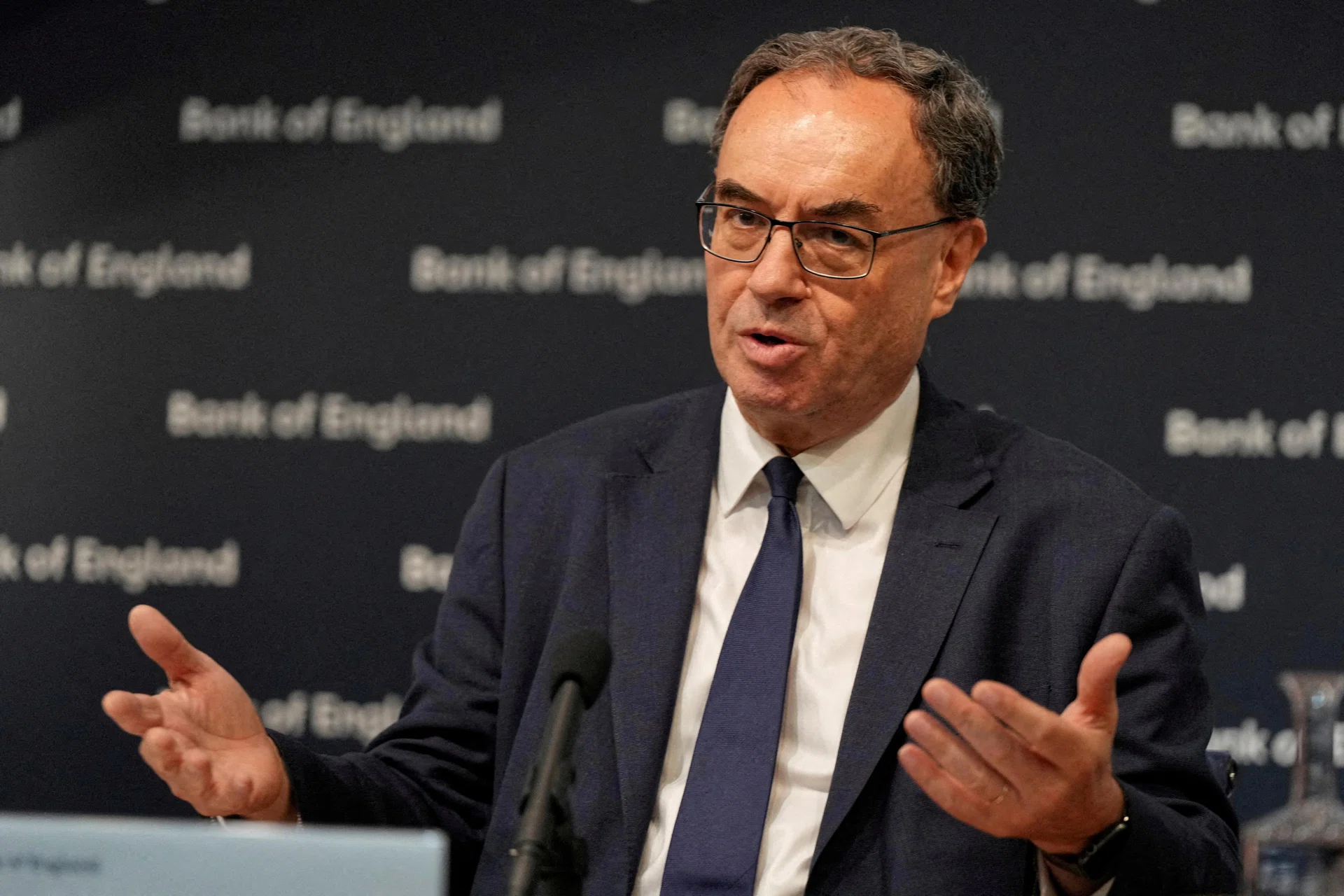
BANK of England Governor Andrew Bailey has vowed to intensify the global policy response to emerging threats from private finance and the growing use of stablecoins.
In an address to the Group of 20 nations as chair of the Financial Stability Board, Bailey promised an overhaul that would make the FSB’s surveillance “more flexible and quicker to recognise, and respond to, emerging vulnerabilities”.
“Whether it is the rise of private finance, the implications of geopolitical tensions, or the increasing role of stablecoins for payment and settlement purposes, our ability to detect and address emerging risks is critical,” he said in a letter delivered ahead of this week’s G20 meetings.
Use of stablecoins – a form of digital currency backed by traditional assets such as the US dollar – has been growing rapidly in recent months, especially in the US, with some Wall Street analysts predicting they could swell to a US$2 trillion market. Proponents see them as the blueprint for payments in the 21st century, while others warn they could open new cracks in the financial system.
Europe’s top financial stability watchdog is moving to ban stablecoins issued jointly in the bloc and other jurisdictions, amid fears about the potential for risks to bleed across borders in unpredictable ways.
“Gaps remain in addressing financial stability risks and few have finalised regulatory frameworks for global stablecoin arrangements,” Bailey wrote, pointing to the potential for “regulatory arbitrage”.
BT in your inbox

Start and end each day with the latest news stories and analyses delivered straight to your inbox.
Non-bank finance has been the FSB’s priority in recent years, but the watchdog has struggled to gather comprehensive data on risks from a fast-growing market that spans everything from hedge funds’ leveraged bets on Treasuries to private credit.
The groundswell of support for deregulation has meant that political appetite for new rules has been in short supply, even as the non-bank market ballooned to around the same size as traditional lenders, prompting the FSB to water down some of its proposals.
The FSB will have “open and frank discussions among members” about next steps and will also “increase outreach to the private sector to benefit from their expertise and perspectives on risks and vulnerabilities,” Bailey said. The deregulatory trend, he warned, has raised concerns that reform efforts may be weakening.
SEE ALSO

He cited as a “notable example” the delays in implementing the package of post-crisis banking reforms proposed almost eight years ago – referred to in the US as the Basel Endgame. Over the past 15 years, jurisdictions have failed to deliver “full, timely and consistent implementation” of agreed rules, he said.
“This calls for deeper reflection on why these gaps exist and what steps we might take to address them,” Bailey wrote. BLOOMBERG
