



It has been a tumultuous September for the eastern flank of Europe. Russian drones have overflown not just one, but two NATO member states—Poland and Romania—at once, ringing alarms across the alliance and setting off a flurry of diplomatic and military action. For the first time in the history of the North Atlantic Treaty Organization, alliance fighter aircraft scrambled to intercept enemy forces in allied airspace, an action that shows just how serious the situation has become.

It was nighttime drama in Poland when 19 Russian unmanned aerial vehicles invaded the country, with Polish Prime Minister Donald Tusk labeling it as a “large-scale provocation.” Polish and allied fighter jets, such as Dutch F-35s and German Patriot systems, were scrambled to drive the drones away. The incursion led Poland to trigger Article 4 of the NATO treaty, which invokes formal consultations when a member country feels threatened. It is totally irresponsible. It is totally insecure,” NATO Secretary General Mark Rutte said. The incident also caused temporary airspace closures and air traffic disruptions in Poland, adding to the urgency.

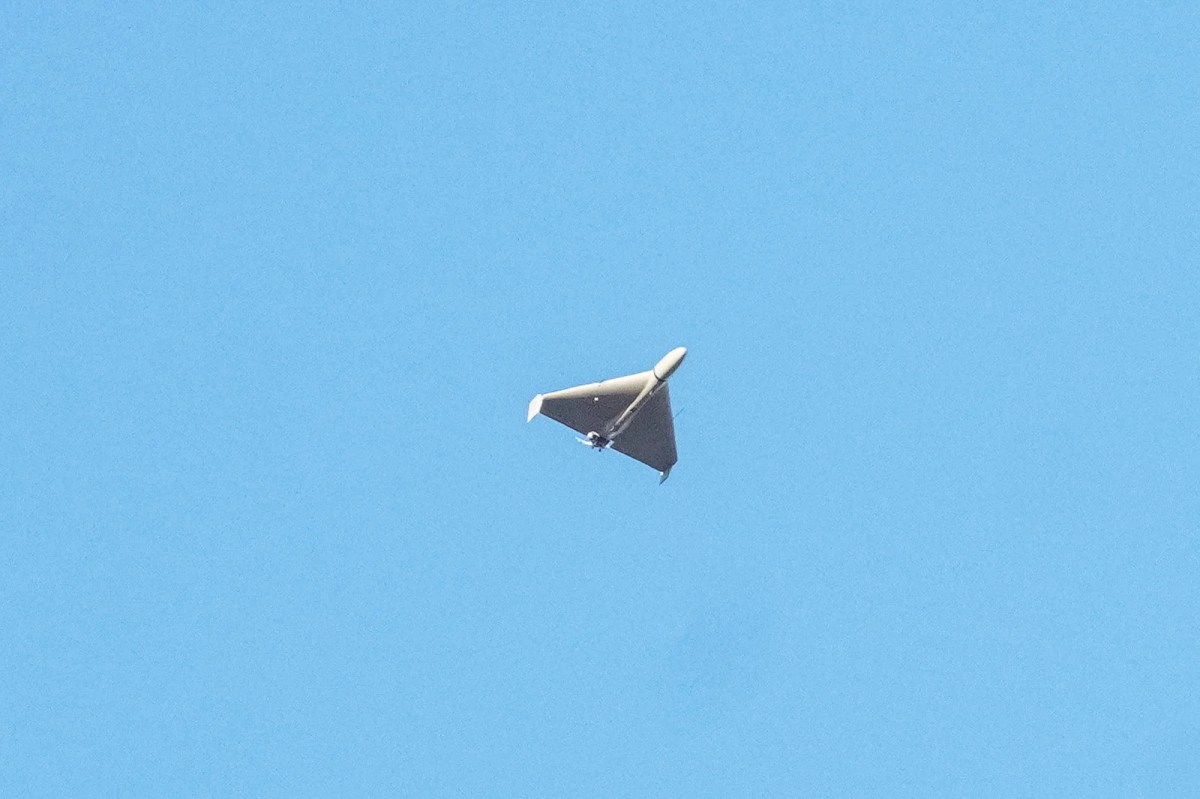
Romania was quick on the heels of that with a similar infraction, with its defense ministry tracking a Russian drone on the border with Ukraine. Romanian F-16s maintained the watch but did not end up shooting down the drone, worried about collateral damage. The drone was identified as a Geran, Moscow’s name for the Iranian-developed Shahed 136, now the standard of Moscow’s military in attacks on Ukraine and overwatch reconnaissance sorties. EU foreign policy chief, Kaja Kallas, characterized the attack as “yet another unacceptable breach of an EU member state’s sovereignty,” the BBC reported.

The Kremlin’s response has been denial and diversion. Russian officials claimed that the drones might have been diverted from their course due to electronic jamming, while Belarus, Moscow’s very close ally, supported the accident scenario. Polish and NATO officials were not too slow to dismiss such tales. Poland’s President Karol Nawrocki called the incursion “an attempt to test our capabilities and response,” and Foreign Minister Radosław Sikorski insisted that “there’s no question of a mistake – this was a deliberate Russian attack,” CBS News reports.

The diplomatic fallout has been swift and severe. Poland summoned the Russian ambassador and asked for a United Nations Security Council meeting to address the incursion. European leaders, including UK Prime Minister Keir Starmer and French President Emmanuel Macron, condemned Russia’s move and rallied around Poland and Ukraine. UK Foreign Secretary Yvette Cooper told the UN Security Council that “if we need to tackle planes that are flying in NATO airspace without consent, we will,” announcing that the alliance is “vigilant” and “resolute,” reports Sky News.

US President Donald Trump has joined the fray with a mix of rage and bluster. He had earlier indicated the drone strike “may have been a mistake,” before later calling for NATO countries to shoot down any Russian aircraft that enters their territory. He warned that if Russia does not want to negotiate, the US would impose steep tariffs to stop the bloodshed immediately. Trump’s views have at times been at odds with more moderate voices in his administration, such as Secretary of State Marco Rubio and NATO Secretary General Mark Rutte, who have urged restraint and scrutiny of Russia’s intentions. According to Forbes, Trump said, “Members of the North Atlantic Treaty Organization should shoot down any Russian aircraft that enters their territory.”

Ukrainian President Volodymyr Zelensky has said clearly that drone incursions are no coincidence. He argues Russia is actively expanding the war and testing NATO’s resolve. Zelensky continues to call for tougher sanctions against Moscow and more assertive action from Western partners. He has also warned Europe not to be absent from negotiations about Ukraine’s future, urging the continent to balance establishing its own military force to guarantee security.

The larger implications are sobering. The analysts at the Institute for the Study of War believe that Russia is not merely escalating its war against Ukraine but also probing the defenses and political will of NATO, setting the stage for a possible future war against the alliance. The formation of a Russian strategic reserve and a new recruitment effort suggest that Moscow is preparing for a protracted siege.

Meanwhile, European leaders are running to present a united front. Macron has called emergency summits, and Starmer called upon Europe to take a more prominent role in NATO and Ukrainian security. Growing concerns exist that the US will make a deal with Russia on a ceasefire and then leave Europe to implement the deal, and question long-term security guarantees and transatlantic relationships in the future.

As the dust settles on these latest drone attacks, one thing is clear: the conflict in Ukraine is no longer just a regional conflict. It’s about NATO’s mettle, European unity, and whether Western leaders will confront Russia’s provocations head-on. The price has never been higher, and the world holds its breath waiting to see how the alliance responds.
