


A surge in oil prices is clouding the inflation outlook again; resilient growth leaves room to act
Published Thu, Sep 10, 2026 · 08:41 PM
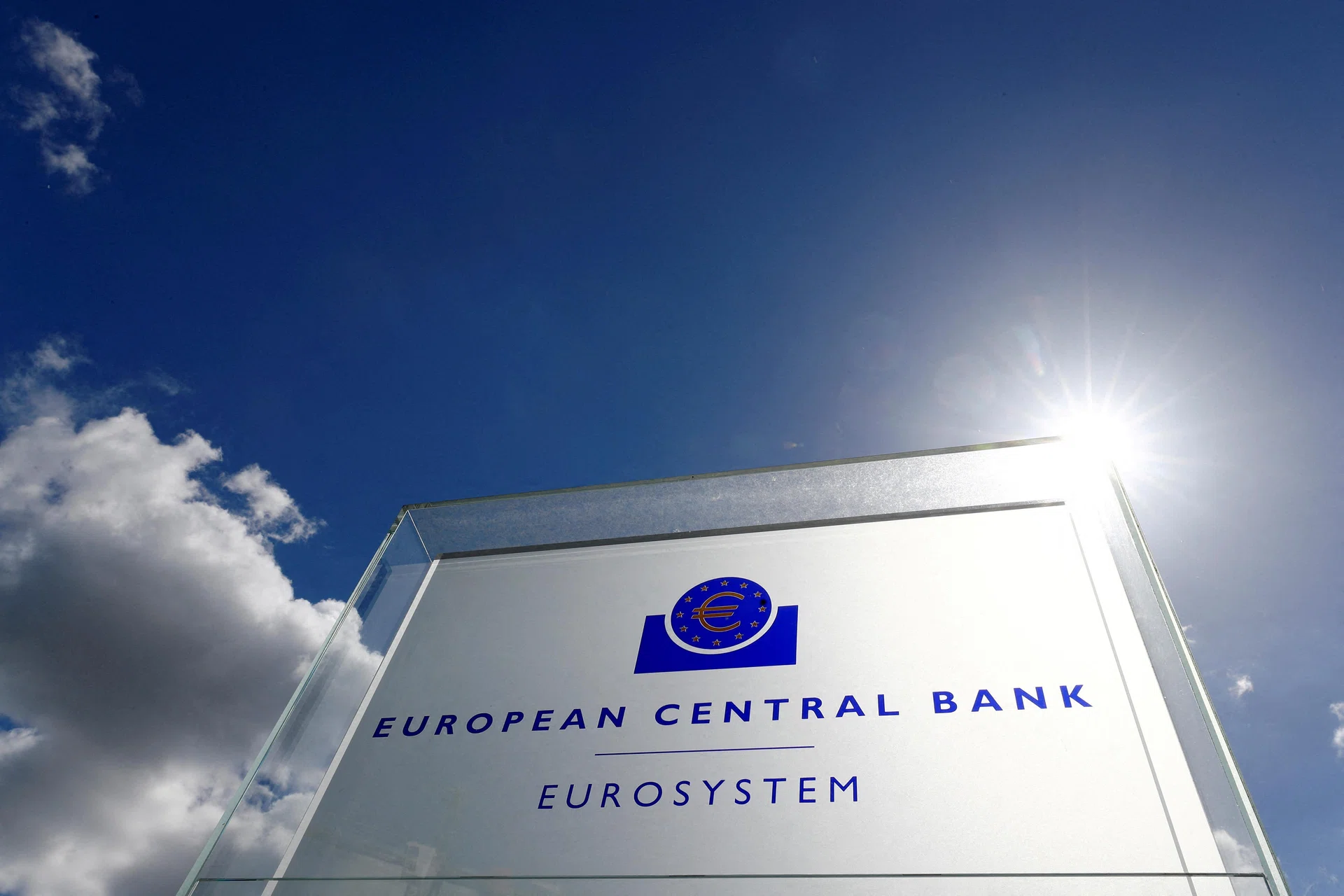
[FRANKFURT] The European Central Bank (ECB) raised interest rates on Thursday (Sep 10) for the second time in 2026, seeking to quell an energy-driven rise in inflation triggered by the Iran war.
Attacks by both sides since the end of August have shattered a month of relative calm, with the US and Iran hitting military, shipping and energy assets. That has sent oil prices back above US$100 a barrel and revived fears about a wave of price hikes in the fuel-importing eurozone.
The ECB responded by raising its policy rate to 2.50 per cent from 2.25 per cent, saying inflation was expected to stay above its 2 per cent goal for some time.
“The conflict in the Middle East continues to generate inflation pressures, and inflation is set to remain well above target for an extended period,” the central bank said in a press release.
Higher growth, inflation expectations
The ECB also raised some of its growth and inflation projections, reflecting the economy’s greater-than-expected resilience and the effect of higher fuel costs on other prices.
It now sees inflation at 3.0 per cent this year, 2.5 per cent in 2027 and 2.1 per cent in 2028.
Thursday’s forecasts are unlikely to fully capture the latest energy-price surge, however, particularly in natural gas, which many European countries rely on for heating.
“This is especially relevant because, while gas price shocks tend to feed through more slowly than oil price shocks, they also generate larger and more persistent effects on non-energy inflation,” Barclays said in a note.
Markets expect more hikes
Financial markets are pricing in one more rate hike this year, followed by another one or two moves next year.
SEE ALSO

Economists, in contrast, think Thursday’s move may be the ECB’s last for now, although a growing number see a risk that further tightening may be needed.
The ECB did not drop any hint about future moves, merely repeating its standard line that decisions would be based on incoming data.
Investors will look for clues when ECB president Christine Lagarde holds her regular press conference.
“We expect president Lagarde to maintain a hawkish wait-and-see stance, leaving the door open to further tightening,” said Martin Wolburg, senior economist at Generali Investments.
Resilient economy lends comfort
Lagarde and colleagues, gathering in Berlin for their annual venture away from the central bank’s Frankfurt headquarters, are likely to have taken comfort from recent growth data.
The eurozone economy has been holding up better than anticipated despite higher fuel costs, competition from China and the impact of droughts.
Bank lending even picked up pace in July, suggesting the ECB’s June rate rise had not dented activity and giving policymakers scope to tighten further on Thursday.
The ECB now expects the eurozone economy to grow by 0.9 per cent in 2026, 1.4 per cent in 2027 and 1.5 per cent in 2028. But policymakers will be watching a rise in government borrowing costs that has already tightened financing conditions.
Long-term bond yields have scaled highs not seen since before the global financial crisis, reflecting inflation concerns and worries about ballooning government debt.
Competition from bond sales by Big Tech companies aggressively raising money to fund the artificial intelligence boom has added to upward pressure on yields, while political turmoil in Germany has shaken its government bonds, the benchmark for the eurozone.
Burden of proof on the data
So far, economic indicators the ECB watches have broadly been benign.
Core inflation, which strips out energy and food prices, eased to 2.4 per cent last month and the latest survey showed that consumers had trimmed their expectations for price growth. Pay rises had also moderated.
“Unlike the 2022 energy shock, this year’s energy price shock is unlikely to spark a wage-price spiral, as demand conditions are not as conducive to higher inflation,” Andrew Kenningham at Capital Economics said.
ING’s global head of macro Carsten Brzeski said that companies, at least in Germany, had so far absorbed the higher costs, in marked contrast to 2022, when the energy shock following Russia’s invasion of Ukraine pushed inflation above 10 per cent.
Lagarde’s future in focus
Lagarde is likely to be asked at her post-decision press conference about her tenure as ECB president, which is scheduled to run until Oct 31, 2027.
She has repeatedly been linked to the leadership of the World Economic Forum, and spoke in July of her desire to champion European values in some capacity during the campaign for next year’s French presidential election.
Pressed later that month on whether that meant leaving the ECB early, Lagarde merely said: “You are not going to see the back of me before 2027.”
A report last week suggesting that ECB board member Isabel Schnabel was in talks to join the International Monetary Fund could herald a reshuffle at the top of the eurozone’s central bank. REUTERS
