


Published Thu, Jul 23, 2026 · 08:31 PM
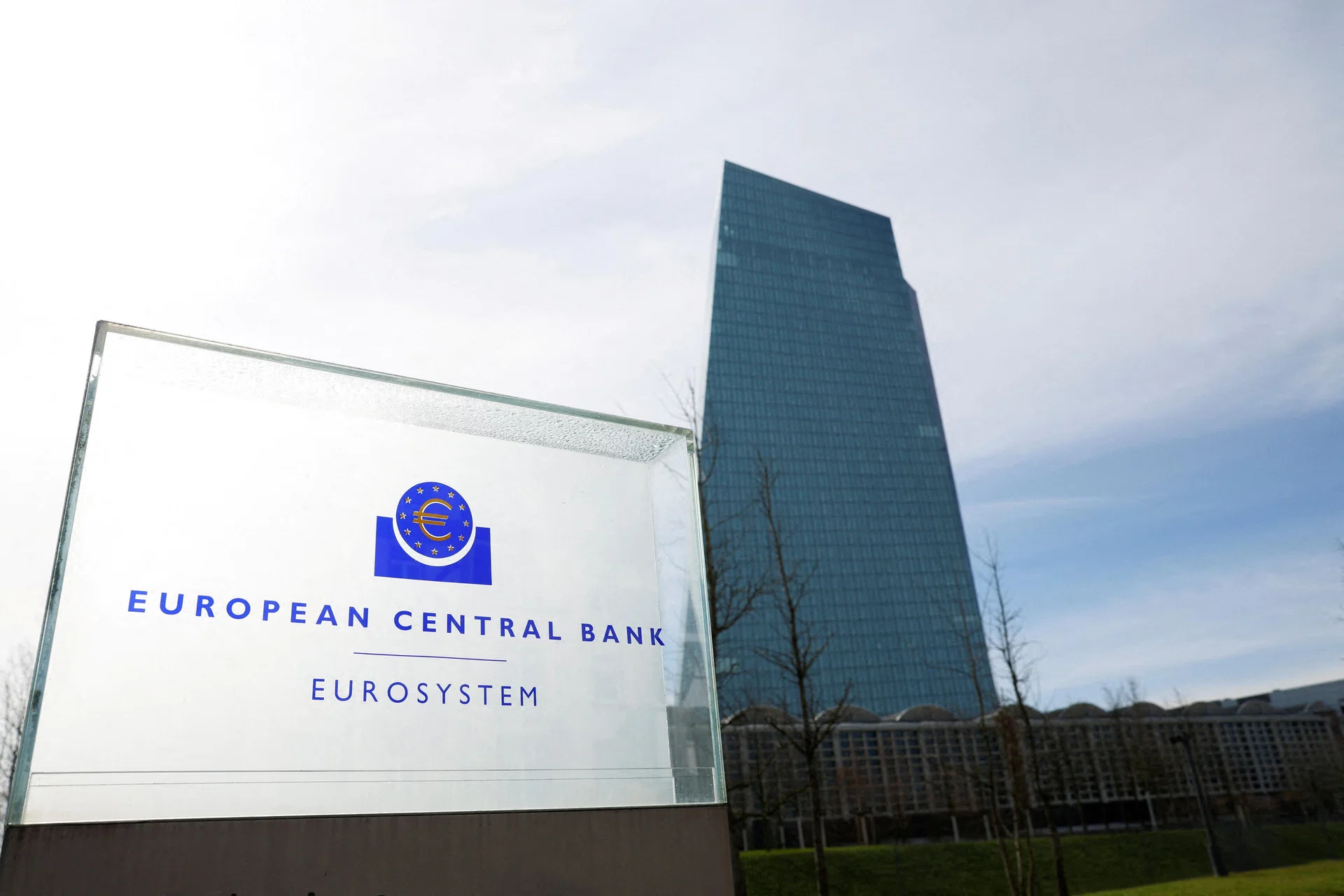
[FRANKFURT] The European Central Bank (ECB) kept interest rates unchanged as expected on Thursday (Jul 23) but held the door open to another increase in September, as a fresh jump in energy prices threatens to keep inflation well above its 2 per cent target.
The ECB had raised rates in June and hinted at more to come but a string of benign data on prices, wages, economic activity and inflation expectations in the weeks since made a quick follow-up step less urgent.
A return of oil prices to almost US$100 per barrel on the resumption of fighting between the United States and Iran is keeping pressure on the ECB, however, and financial investors and market economists expect a move at the bank’s next meeting to stop the energy shock setting off a broader price spiral.
Natural gas prices, which had stayed relatively lower in recent months, are now also at their highest level in more than three years, adding to price pressures.
“It is becoming more expensive for firms to source inputs, and they therefore expect to put up their selling prices,” ECB President Christine Lagarde said in her regular post-decision press conference.
“While developments in underlying inflation have remained contained, the full effects of the energy shock have yet to play out,” she said, adding that the longer energy prices stay high, the more likely that second-round inflation effects would spread through the economy.
Lagarde said some ECB policymakers had raised the question in discussions of whether a hike was warranted but that ultimately the decision to hold had been taken unanimously.
The US Federal Reserve and the Bank of England, both of which announce their latest rate decisions next week, are also weighing the timing of possible hikes in months to come.
For the ECB, investors are betting on almost three more interest rate increases in the coming year, with a first move fully priced in by October and the second by next February.
SEE ALSO
This pricing reflects energy prices more than economic fundamentals, however, and most economists polled by Reuters say the 21-country euro zone will need far less policy tightening to keep a lid on inflation, which could hover around 3 per cent in the coming months, above the 2 per cent target.
The key reason the ECB can afford to be patient is that long-feared second-round effects of the energy price spike have yet to materialise.
High energy costs tend to raise the price of all goods and services and eventually force workers into demanding higher wages, setting off an inflationary wage-price spiral. But wage growth is continuing to ease, the labour market is relatively soft – particularly in Germany, the bloc’s biggest economy – and firms surveyed by the ECB are anticipating even more muted pay pressures.
Consumers have dialled back their price expectations, while detailed figures are showing next to no evidence of second-round effects. Services inflation actually slowed last month.
Moreover, continuing trade tensions, high energy costs and China’s expansion into some of Europe’s key export markets suggest that the bloc’s industries will continue to struggle for years to come, putting downward pressure on labour demand.
Policymakers nevertheless argue that even if second-round effects are smaller and delayed, they are still coming and the ECB needs to be ready to act.
Scorching summer weather in much of Europe this month is also a potential risk. The heat may have damaged crops and could push up food prices, while low water levels on key rivers could create shipping bottlenecks. REUTERS
