







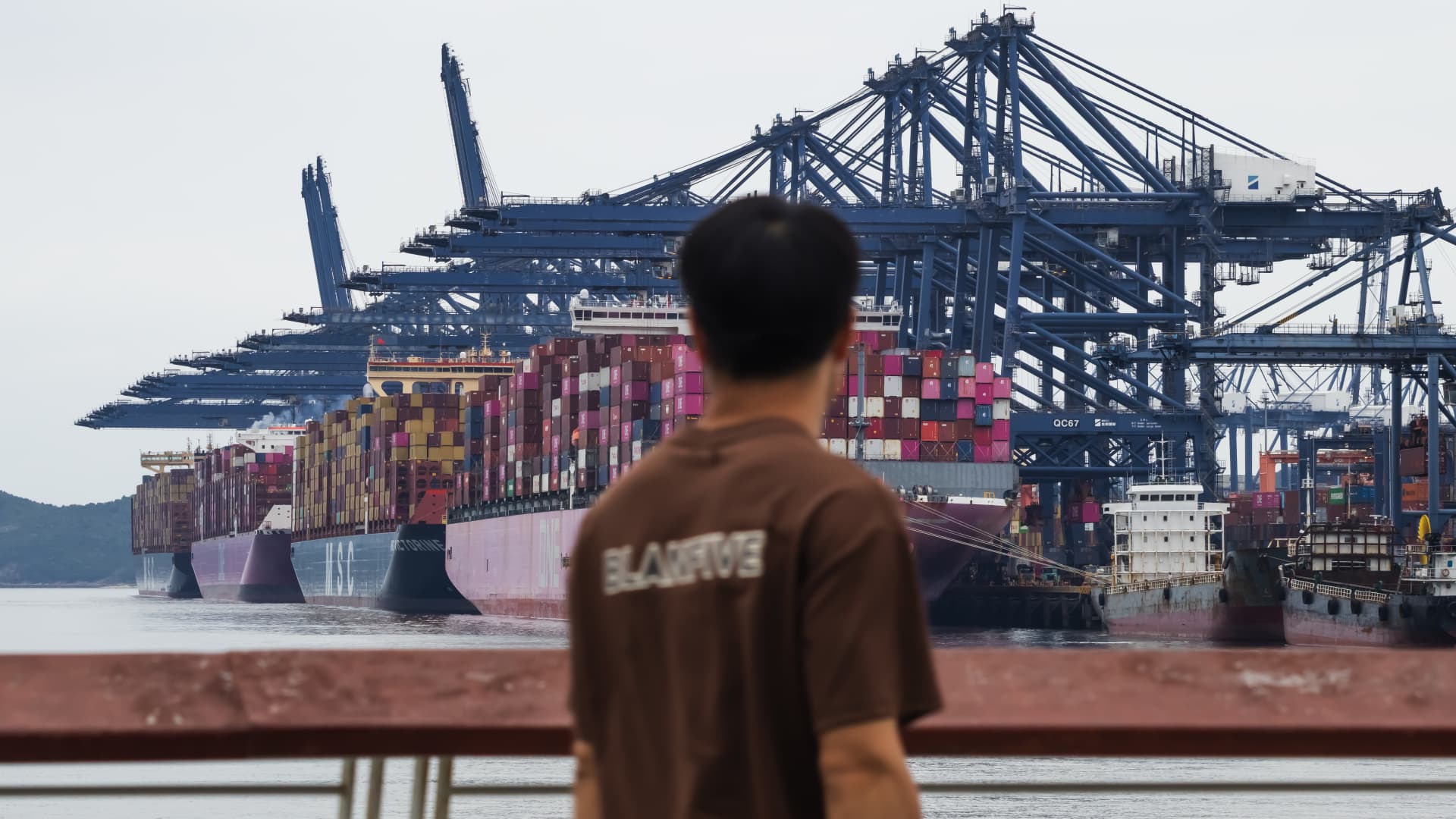
China’s factory activity returned to growth in September as a deepening economic malaise prompts policymakers to ramp up stimulus steps and bolster growth.
The official manufacturing purchasing managers’ index rose to 50.1 from 49.8 in August, National Bureau of Statistics data showed Wednesday, in line with analysts’ forecast for a modest expansion of 50.1 in a Reuters poll.
The modest expansion was driven by accelerated activity in equipment and high-tech-related manufacturing, as well as consumer industries, according to NBS chief statistician Huo Lihui.
The non-manufacturing PMI also returned to expansionary territory, climbing to 50.2, as business activity picked up in the services sector, and reached their highest level this year in the construction sector.
Manufacturers in the country have benefited from the AI hardware boom, while weak consumer demand at home has been a major worry, with higher energy costs owed to the Middle East war weighing on margins.
Exports have been one of the few drivers of China’s economy this year, but that engine is showing signs of strain as trading partners voice growing concerns over the country’s excess manufacturing capacity and heavy reliance on foreign demand, while domestic consumption lags.
China’s top economic and financial policymakers on Tuesday unveiled targeted fiscal and monetary measures to lower financing costs and boost central bank lending, as Beijing calls for stronger counter-cyclical support to keep the economy on track to meet its full-year growth target.
“The new round of supportive measures is not sufficient to bolster growth,” a team of economists at Nomura wrote in a note, adding that the steps were too small to address the real barriers to growth.
“The measures are more significant as a policy signal than as a near-term growth impulse,” Goldman Sachs economists echoed. Targeted credit easing mainly supports the supply side, and whether it translates into investment and broader growth will depend on how the policies are implemented, they said.
The mortgage subsidy announced Tuesday is more direct support for housing demand and may lift home sales in the short term, Goldman added. With the program set to run for one year, it could also pull forward some first-home purchases, Goldman analysts said.


