


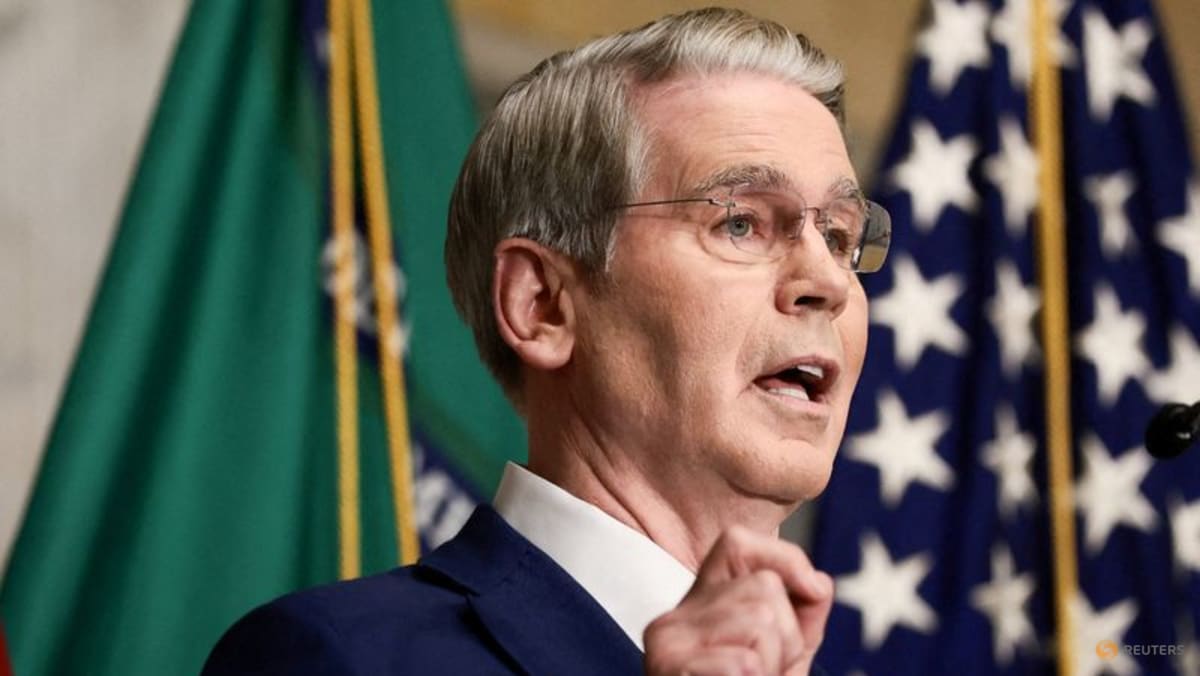
Aug 29 : U.S. Treasury Secretary Scott Bessent said disorderly moves in the yen could trigger “forced unwinds” of positions that risk destabilizing global markets and ultimately raising borrowing costs for U.S. households and businesses.
Bessent made the comments in a letter dated August 27 and posted on his X account a day later in response to Democratic Senator Elizabeth Warren’s demand for an explanation of Washington’s joint currency intervention with Tokyo last month.
The post came as the yen resumed weakening against the dollar despite expectations the Bank of Japan could raise interest rates in the near term.
Japan and the United States carried out a rare joint yen-buying intervention on July 31, signaling their determination to prevent a selloff in the yen and Japanese government bonds from spilling over into global markets.
While the yen has recovered from a 40-year low near 164 per dollar hit last month, it has weakened back towards 160 after surging to 155.20 shortly after the intervention.
The currency briefly slipped below the 160-per-dollar level on Friday, a threshold widely seen as increasing the likelihood of intervention, after comments from Federal Reserve Chair Kevin Warsh revived expectations of a near-term U.S. rate hike.
In the letter, Bessent said the Treasury conducted the intervention by exchanging foreign-currency assets held in its Exchange Stabilization Fund (ESF) for yen.
“The same principle was at work in Argentina, where Treasury used the Exchange Stabilization Fund to stabilize Argentina in a moment of acute, short-term illiquidity and to prevent the problem from becoming a broader regional crisis,” he said.
“The best-managed crisis is the one that never happens,” Bessent said, defending Washington’s decision to join Tokyo’s efforts to counter disorderly declines in the yen.
The ESF is an emergency reserve managed by the U.S. Treasury to stabilize foreign-exchange and domestic financial markets.
The Treasury used the ESF last year to help support Argentina’s peso market and provide a $20 billion currency swap line aimed at stabilizing the currency.
