






Apple has been cleared of liability in a recent court ruling for not implementing scanning of iCloud content for child sexual abuse material (CSAM). The decision affirms that the company is not legally responsible for proactively scanning user data, reinforcing its privacy protections. This ruling is significant as it impacts legal expectations around tech companies’ obligations to monitor encrypted cloud services.
The case arose after a lawsuit claimed that Apple should be held liable for failing to detect and prevent CSAM stored on its iCloud platform. The plaintiffs argued that Apple’s refusal to scan for such content contributed to ongoing abuse. However, the court found that Apple’s current privacy policies, including end-to-end encryption, shield it from liability for the content stored by users. The ruling emphasizes that Apple’s approach to user privacy and encryption limits its legal responsibility to monitor the data.
Legal experts note that this decision aligns with existing privacy principles and Apple’s public stance against scanning encrypted user data. The court explicitly stated that requiring Apple to scan iCloud for CSAM would conflict with privacy rights and encryption standards. The ruling does not prevent law enforcement from seeking other avenues for investigating CSAM but clarifies that Apple is not liable for failing to scan user content.
At a glance
updateWhen: announced March 2026
The developmentA court has dismissed a lawsuit alleging Apple was liable for not scanning iCloud for child sexual abuse material, affirming Apple’s stance on user privacy.
Legal Victory Reinforces Privacy Protections
This ruling is a significant victory for Apple and other tech companies prioritizing user privacy. It sets a legal precedent that companies may not be held liable for not scanning encrypted cloud data for illegal content, which could influence future legislation and lawsuits. The decision underscores the ongoing tension between privacy rights and law enforcement efforts to combat CSAM. For consumers, it affirms that Apple’s commitment to encryption remains legally supported, even amid calls for greater content monitoring.

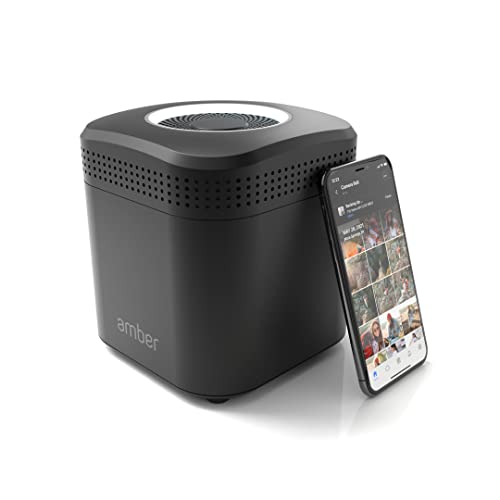
AmberPRO Personal Cloud Storage Device + AC2600 WiFi Router. Dual 1TB Hard Drives with RAID 1 or Optional 2TB with RAID 0. Plex and Home Assistant. iOS/Android/Windows/Mac Compatible. AM1211-1TB
- Local and remote data access: Store data locally and access remotely
- Built-in Docker support: Supports Docker and custom apps
- Expandable storage options: 1TB in RAID1, expandable via USB
As an affiliate, we earn on qualifying purchases.
As an affiliate, we earn on qualifying purchases.
Legal and Regulatory Background on Content Scanning
Over the past few years, there has been increasing debate over whether tech companies should scan user data for illegal content, such as CSAM. Apple has maintained that end-to-end encryption protects user privacy but has faced pressure from law enforcement agencies to enable scanning features. Previous attempts by Apple to implement CSAM detection tools in iCloud were met with criticism and legal challenges, leading to the current lawsuit. This case is part of a broader legal landscape where courts are weighing privacy rights against the need to prevent online abuse.
The lawsuit filed earlier claimed that Apple’s failure to act made it complicit in the proliferation of CSAM. Apple argued that its encryption policies are essential for user privacy and security, and that it cannot legally or ethically scan user data without explicit user consent. The court’s recent ruling supports this position, emphasizing that the company’s current practices are within legal bounds.
“Apple remains committed to user privacy and will continue to defend the confidentiality of our users’ data.”
— Apple spokesperson
Remaining Questions About Future Content Monitoring
It is still unclear whether future legislation or court decisions will impose new obligations on Apple or other companies to scan for CSAM. The ruling applies specifically to the current case and does not address potential changes in law or policy that could alter the legal landscape. Additionally, the extent to which law enforcement can pursue other methods for detecting CSAM remains an open question.
Next Steps in Legal and Policy Developments
Legal experts anticipate that this ruling may influence ongoing debates and future legislation regarding encryption and content monitoring. Apple and other tech firms may continue to advocate for privacy protections, while lawmakers could introduce new proposals that attempt to balance privacy with child safety. The company might also reinforce its stance by avoiding implementation of scanning tools unless legally mandated.
Key Questions
What does this ruling mean for Apple’s privacy policies?
The ruling confirms that Apple’s current privacy policies, including end-to-end encryption, do not make the company liable for not scanning user data for CSAM. It supports Apple’s stance that user privacy must be protected from government or third-party intrusion.
Could Apple change its policies after this ruling?
While the court ruling affirms current policies, future legislation or legal challenges could pressure Apple to modify its approach. The company has indicated it will continue to prioritize user privacy unless legally required to do otherwise.
Does this prevent law enforcement from investigating CSAM?
No, the ruling does not prevent law enforcement from pursuing investigations through other means. It only clarifies that Apple is not liable for not scanning encrypted iCloud content for CSAM.
Will this ruling impact other tech companies?
Potentially. The decision sets a legal precedent that could influence similar cases involving other companies and their obligations regarding content scanning and privacy protections.
Source: hn


