


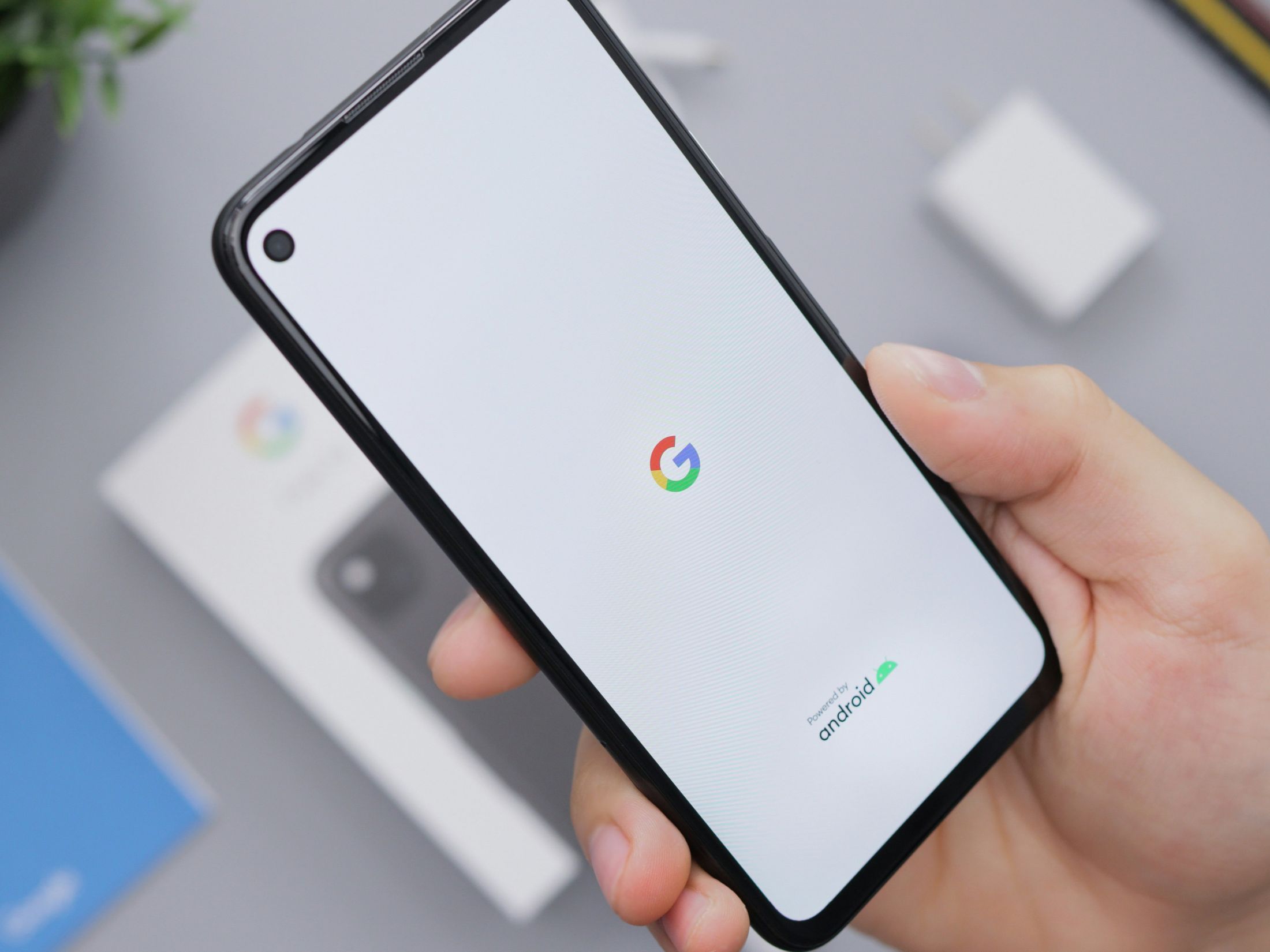
Google has shipped Android 17 beta 1 to developers and introduced a continuous “always-on” Canary release channel for updates. The change will mean new features and APIs will be pushed to developers immediately after internal testing rather than waiting for quarterly drops.
The new Canary programme allows for early “battle-testing” of code, resulting in a more stable beta cycle with APIs that are closer to final. Updates are delivered over-the-air (OTA), removing the need for manual flashing and simplifying integration with automated workflows. The schedule targets Platform Stability for March, locking down SDK/NDK APIs and app behaviours early.
Android 17 beta enforces strict new constraints for developers
Android 17 (API level 37) removes the option to opt-out of orientation and resizability restrictions on large screens (sw > 600dp). Apps must adapt to the windowing environment on tablets and foldables.
When targeting SDK 37, the system ignores specific manifest attributes that previously forced fixed orientations or prevented resizing. Engineering teams managing legacy codebases must audit their manifest files, as the following attributes will no longer function on large screens:
| Manifest attribute / API | Ignored values |
| screenOrientation | portrait, landscape, reversePortrait, reverseLandscape, sensorPortrait, sensorLandscape, userPortrait, userLandscape |
| setRequestedOrientation() | portrait, landscape, reversePortrait, reverseLandscape, sensorPortrait, sensorLandscape, userPortrait, userLandscape |
| resizeableActivity | all |
| minAspectRatio | all |
| maxAspectRatio | all |
These rules do not apply to standard phones. Games are also exempt if flagged correctly in android:appCategory. Users can still override app defaults manually in system settings.
Performance and runtime strictness
Following the release of Android 17 beta 1, developers targeting SDK 37 for their apps receive a lock-free implementation of android.os.MessageQueue. This improves performance but may break clients relying on reflection to access private MessageQueue fields.
The Android Runtime (ART) now uses generational garbage collection. This runs frequent, lighter collections on young objects to lower CPU costs.
static final fields are now truly final. The runtime blocks modifications to allow for aggressive optimisation. Reflection attempts trigger an IllegalAccessException, while JNI modifications crash the app. This check is currently active for all apps in beta 1, regardless of target SDK, to catch issues early.
Android 17 stops restarting activities by default for specific configuration changes like keyboard availability or navigation mode. Running activities will receive onConfigurationChanged() callbacks instead. Apps requiring a full restart to reload resources must opt-in via the android:recreateOnConfigChanges manifest attribute.
Media infrastructure and security hardening
The CameraCaptureSession API gains updateOutputConfigurations(). As of Android 17 beta 1, developers can attach or detach output surfaces dynamically without reconfiguring the full session. This smooths transitions between camera modes and reduces initialisation latency.
Logical multi-camera setups now provide metadata for all active physical sensors, not just the primary one. Setting LOGICAL_MULTI_CAMERA_ADDITIONAL_RESULTS to ON allows access to this data, useful during lens switches.
The new LoudnessCodecController class implements the CTA-2075 standard for loudness management. It adjusts audio based on content metadata and is supported automatically in ExoPlayer. Support for Versatile Video Coding (VVC) is also included for devices with hardware decoding.
The android:usesCleartextTraffic attribute is deprecated. Apps targeting Android 17 using this attribute without a Network Security Configuration will default to blocking cleartext traffic. For local connectivity, NetworkAgents can now represent local networks using the NET_CAPABILITY_LOCAL_NETWORK identifier.
Developers getting started with the beta should be aware that Platform Stability for Android 17 is targeted for March. Teams need to compile against the new SDK and test large-screen compliance immediately. The beta is available OTA for Pixel devices or as 64-bit system images for the Android Emulator.
See also: Developers adopt high-performance Java to support production AI

Want to learn more about cybersecurity from industry leaders? Check out Cyber Security & Cloud Expo taking place in Amsterdam, California, and London. The comprehensive event is part of TechEx and is co-located with other leading technology events including the AI & Big Data Expo. Click here for more information.
Developer is powered by TechForge Media. Explore other upcoming enterprise technology events and webinars here.
