


Published Mon, Aug 3, 2026 · 09:06 AM
MALAYSIA is considering allowing some exports of unprocessed rare earths in order to bolster its position in a supply chain feeding industries from carmaking to defence and consumer goods.
The South-east Asian nation put a moratorium on exports of raw rare earths in 2024 to stimulate more investment in domestic processing — a familiar strategy for resource-rich developing nations.
But authorities are now assessing the feasibility of easing the curbs as competition for the minerals heats up, according to a senior government official.
“The pressure is already there, from Malaysian states and investors,” Deputy Minister of Natural Resources and Environmental Sustainability Syed Ibrahim Syed Noh told Bloomberg News in an interview. “They are knocking at the doors already,” he said, referring to interest from the US, Australia, France and India.
Beijing triggered a global rare-earths scramble last year when it put export controls on the minerals to fight a trade war with the US.
Countries with significant reserves are working out how to benefit as major economies scour the globe for viable deposits, and US President Donald Trump signed a critical minerals pact with Malaysia in a visit to the country last year.
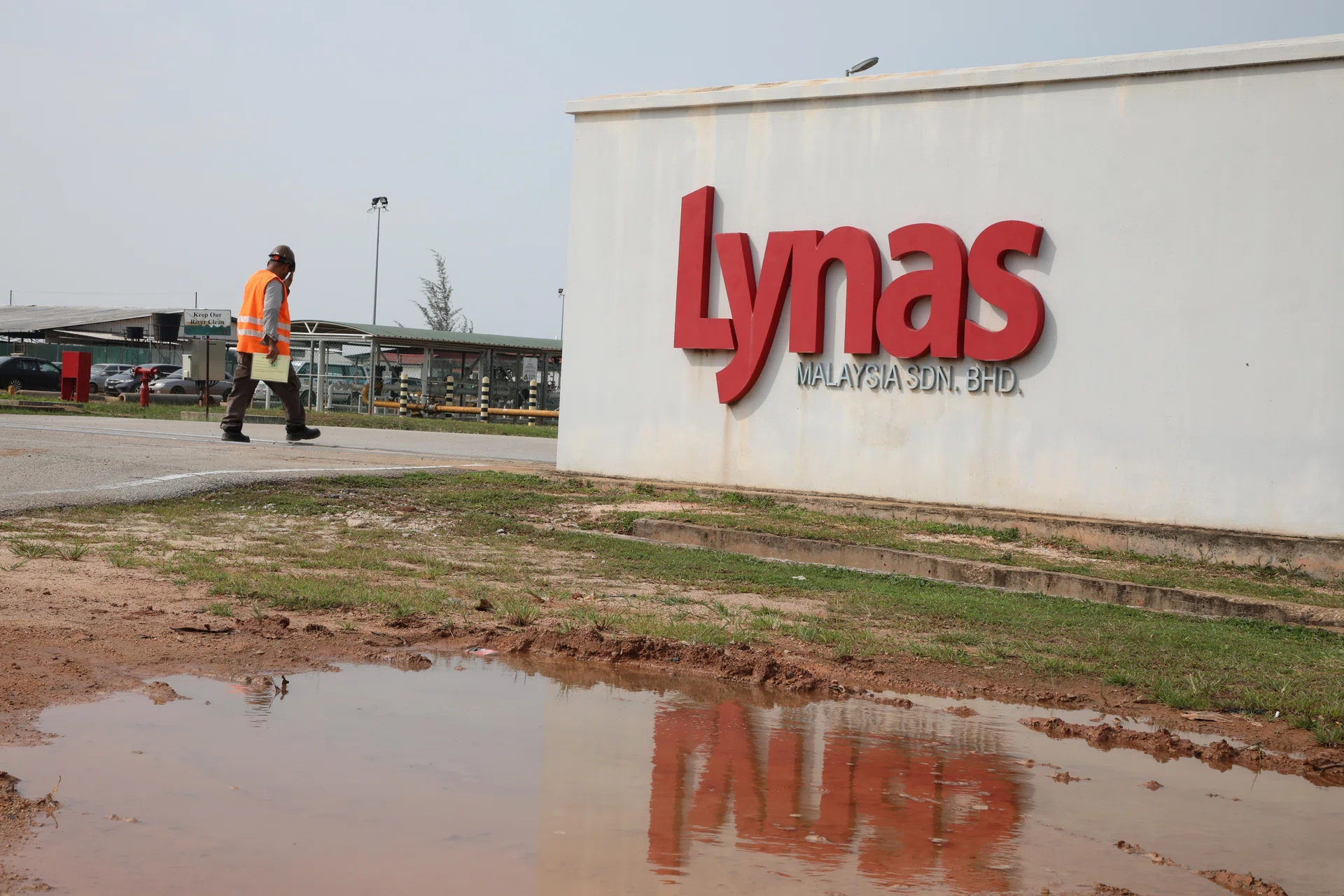
Malaysia already plays an important global role as host to the expanding refinery of Australia’s Lynas Rare Earths, one of only two major producers outside China.
That facility is currently fed with ore from Australia, but there’s growing interest, including from Lynas, in Malaysia’s untapped rare earths minerals.
Any renewed exports would be subject to conditions, including ties to inbound investments and technology transfers, Syed Ibrahim said in the interview in Putrajaya, the country’s administrative capital. Exports should be used for research and development outside Malaysia, he said.
SEE ALSO

He declined to give a timeline for any changes to export regulations.
Adding value
“Diversification is particularly important,” Syed Ibrahim said. “We want to mitigate the risk of over-reliance on technology from a single source.” Malaysia is already “on track” to be a regional hub for critical minerals by 2030, and is seeking investment across the value chain, from mining to downstream plants, he added.
Neighboring Indonesia, which has used export restrictions to build up its domestic metals industries, sometimes allowed companies to keep shipping some raw materials on the condition they meet targets for investments in downstream plants.
While Malaysia’s recognised rare earth reserves make up just 1 per cent of the global total — compared with China’s more than 50 per cent, according to Hannam & Partners Research — the country has drawn significant interest from foreign miners and refiners.
In addition to Lynas, local conglomerates such as Berjaya Corp Bhd are also exploring projects. France’s Carester SAS plans to build a rare-earths separation plant in the northern state of Perak as part of a venture with Malaysia’s Malaco Mining Group.
While a push for greater Chinese involvement in mining and processing has had limited success, Syed Ibrahim said the government would continue engaging with Chinese companies given their decades-long technological advantage.
“If China wants to share the technology, it would be a win-win for all of us,” Syed Ibrahim said.
Foreign policy
Lynas has faced political scrutiny in Malaysia since unveiling a four-year deal to supply the US military. A parliamentary committee is probing the implications of the agreement for Malaysia’s foreign policy, given Washington’s backing for Israel and Malaysia’s longstanding support for Palestine.
Syed Ibrahim said he was not yet aware of the committee’s findings and declined to comment on whether Malaysia could force a cancellation of the agreement.
“I think Malaysia, as a country which is supporting Palestine, would look into it and see whether there are any irregularities or something which is against the foreign policy of Malaysia, and can take up the action after that,” Syed Ibrahim said.
The nation has 16.1 million tons of “inferred reserves” of rare earths, Syed Ibrahim said. The government has previously said that could be worth RM970 billion (US$237 billion).
Much of those deposits sits within protected forest areas, and Malaysia is in the process of mapping them and studying ways to extract the minerals without disturbing biodiversity, he added. BLOOMBERG
