


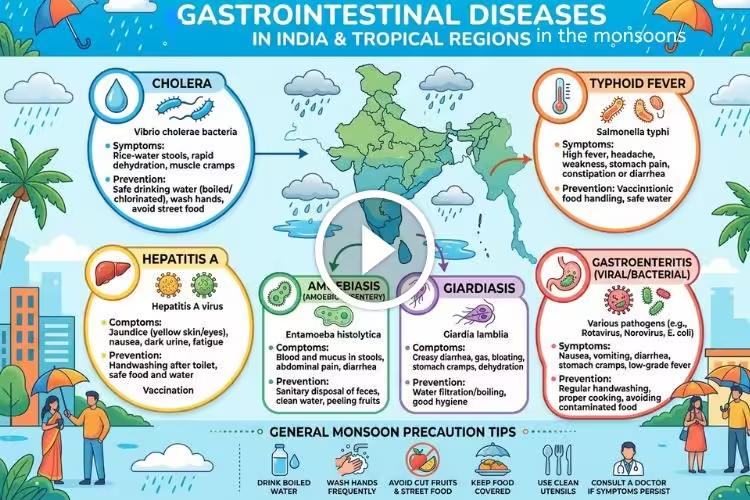
7 Gastrointestinal Diseases That Spike Every Monsoon Season and What we can do about it
Introduction
You can listen to this article while scrolling down-
Every monsoon, hospitals in most parts of India see a sharp rise in stomach and intestinal infections coming to the OPDs.
I have seen similar trends in my clinical practice too, every monsoon season.
The reason is simple: heavy rain contaminates water sources, floods drains, increases humidity, and creates ideal conditions for bacteria, viruses, and parasites to spread.
Unsafe drinking water, exposed street food, raw salads, poorly stored leftovers, and contact with floodwater all raise the risk of gastrointestinal illness.”
In this short guide I will explain seven common gastrointestinal diseases that spike during monsoon season, the symptoms to watch for, and the habits that can help protect your family.
Later on, I will be publishing detailed article on each disease mentioned here in separate articles every day so that you are well informed about each of them.
Why GI Diseases Rise During Monsoon
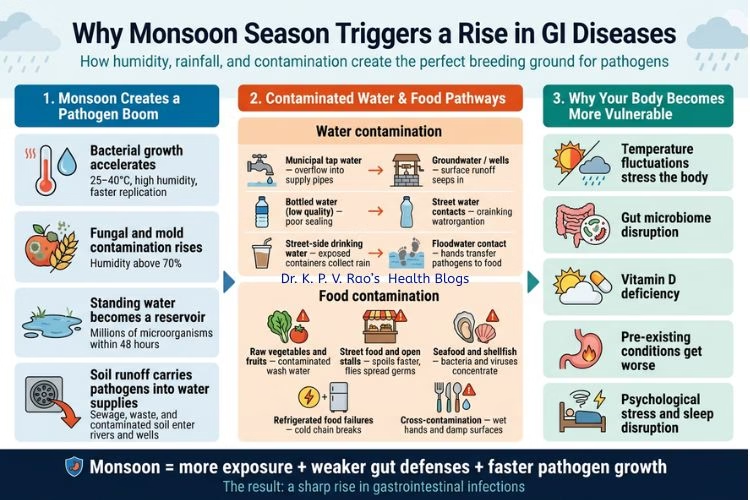
Rainwater often mixes with sewage, garbage, animal waste, and contaminated soil before entering wells, tanks, rivers, and municipal pipelines.
Waterlogging also encourages flies and other insects, which transfer germs from waste to food.
Warm, humid weather speeds up bacterial growth in cooked food, dairy, seafood, and cut fruit. Even food that looks and smells normal may be unsafe if it has been exposed to contaminated water or stored improperly.
Your body may also be more vulnerable during this season. Irregular sleep, lower sunlight exposure, dehydration, frequent antibiotics, and changes in diet can affect immunity and gut balance.
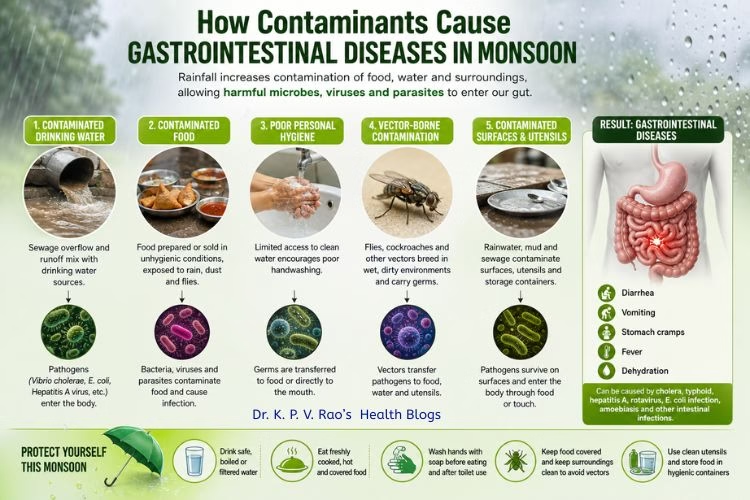
For people with acidity, or inflammatory bowel disease, monsoon infections can trigger worse flare-ups.
1. Cholera
Cholera is a serious waterborne infection caused by Vibrio cholerae. It spreads quickly when sewage contaminates drinking water, ice, street beverages, or food washed with unsafe water. The biggest danger is rapid dehydration.
Watch for:
- sudden watery diarrhea [rice-water stools],
- vomiting,
- extreme thirst,
- muscle cramps,
- dry mouth,
- sunken eyes,
- weakness,
- dizziness, and
- little or no urination.
Severe cholera can become life-threatening within hours, especially in children and older adults. More on this in my next article.
2. Typhoid Fever
Typhoid fever is caused by Salmonella typhi and spreads through contaminated food and water. It is common during monsoon because floods overwhelm drains and sewage systems, allowing bacteria to enter water supplies and food preparation areas.
Watch for:
- fever that rises gradually and lasts more than three days,
- headache,
- weakness,
- abdominal pain,
- poor appetite,
- constipation or diarrhea, and
- sometimes faint rose-colored spots on the trunk. .
A persistent high fever during monsoon should never be ignored; visiting a doctor and discussing these symptoms can help him pinpoint the disease and order appropriate investigations to confirm typhoid.
3. Hepatitis A
Hepatitis A is a viral liver infection that spreads through the fecal-oral route.
During monsoon, raw vegetables, cut fruits, shellfish, street food, and ice made from untreated water become major sources of exposure.
Watch for:
- unusual fatigue,
- nausea,
- loss of appetite,
- mild fever,
- abdominal discomfort,
- dark urine,
- pale stools, and
- yellowing of the eyes or skin.
Early symptoms are often mistaken for seasonal tiredness, so testing is important if symptoms persist.”
4. Gastroenteritis
Gastroenteritis is one of the most common monsoon stomach infections.
It can be caused by bacteria such as E. coli, Salmonella, and Campylobacter, or viruses such as norovirus and rotavirus.
It usually spreads through contaminated meals, unsafe water, unwashed hands, and food left uncovered in humid conditions.
Watch for:
- loose stools,
- vomiting,
- nausea,
- cramps, fever, bloating, and
- weakness.
Most mild cases improve in two to three days with rest and fluids. Seek medical help if diarrhea lasts more than three days, vomiting prevents drinking, fever is high, stool contains blood, or signs of dehydration appear.
5. Dysentery
Dysentery causes inflamed intestines and bloody or mucus-filled stools.
It may be bacterial, commonly due to Shigella, or amoebic, caused by Entamoeba histolytica.
Both forms rise during monsoon because open drains, floodwater, and contaminated vegetables spread organisms widely.
Watch for:
- blood or mucus in stool,
- severe cramps,
- fever, especially in shigella
- frequent urge to pass stool, and
- weakness.
Do not self-medicate with anti-diarrheal tablets, as they may worsen some infections. Blood in stool should always be evaluated by a doctor.
6. Giardiasis
Giardiasis is a parasitic infection caused by Giardia, a parasite similar to ameoba.
It spreads through contaminated water, raw produce, and poor hand hygiene. Floodwater can carry parasite cysts into wells, tanks, and other water sources.
Watch for:
- foul-smelling diarrhea, especially post-eating
- gas, bloating,
- stomach cramps,
- nausea,
- fatigue, and
- greasy or floating stools.
Symptoms may last for weeks if untreated and can interfere with nutrient absorption, especially in children.”
7. Cryptosporidiosis and Rotavirus
Cryptosporidiosis is caused by Cryptosporidium, a parasite that can survive in water and is harder to eliminate with basic chlorination. Rotavirus is a highly contagious viral infection that spreads through contaminated hands, surfaces, food, and water.
Both are especially dangerous for young children, older adults, and people with weak immunity.”
Watch for:
- watery diarrhea,
- vomiting, fever,
- stomach pain, tiredness, and dehydration.
- in children, warning signs include dry mouth, no tears while crying, sunken eyes, reduced urination, unusual sleepiness, or inability to keep fluids down.
How to Protect Yourself During Monsoon

Here are some tips to keep yourself healthy during monsoons and prevent GI diseases-
- Drink boiled, filtered, or sealed bottled water.
- Avoid ice, roadside juices, and water from unknown sources.
- Eat freshly cooked food served hot.
- Avoid raw salads, cut fruits, raw seafood, and uncovered street food during heavy rains.
- Wash hands with soap before eating, after using the toilet, and after contact with floodwater.
- Store cooked food covered and refrigerated; reheat leftovers thoroughly.
- Keep ORS packets at home and use them early during diarrhea or vomiting.
Ask your doctor about typhoid, hepatitis A, cholera, and rotavirus vaccines when appropriate.
When to See a Doctor
Get medical care quickly if symptoms include
- blood in stool,
- persistent vomiting,
- high fever,
- severe abdominal pain,
- diarrhea lasting more than three days,
- dark urine with jaundice, confusion, dizziness, or signs of dehydration.
Children, pregnant women, elderly people, and immunocompromised individuals should seek help earlier, even if symptoms seem mild.
Monsoon GI diseases are common, but many are preventable. Clean water, safe food, hand hygiene, vaccination, and early rehydration can dramatically reduce your risk.
The rains may be unavoidable, but serious stomach infections do not have to be.”
Related Article- Monsoon diseases
Here I end this short article about 7 gastrointestinal diseases that affect us during the monsoon.
In my next article, we will learn all about cholera.
7 GI Diseases That Spike Every Monsoon Season Share on X
