


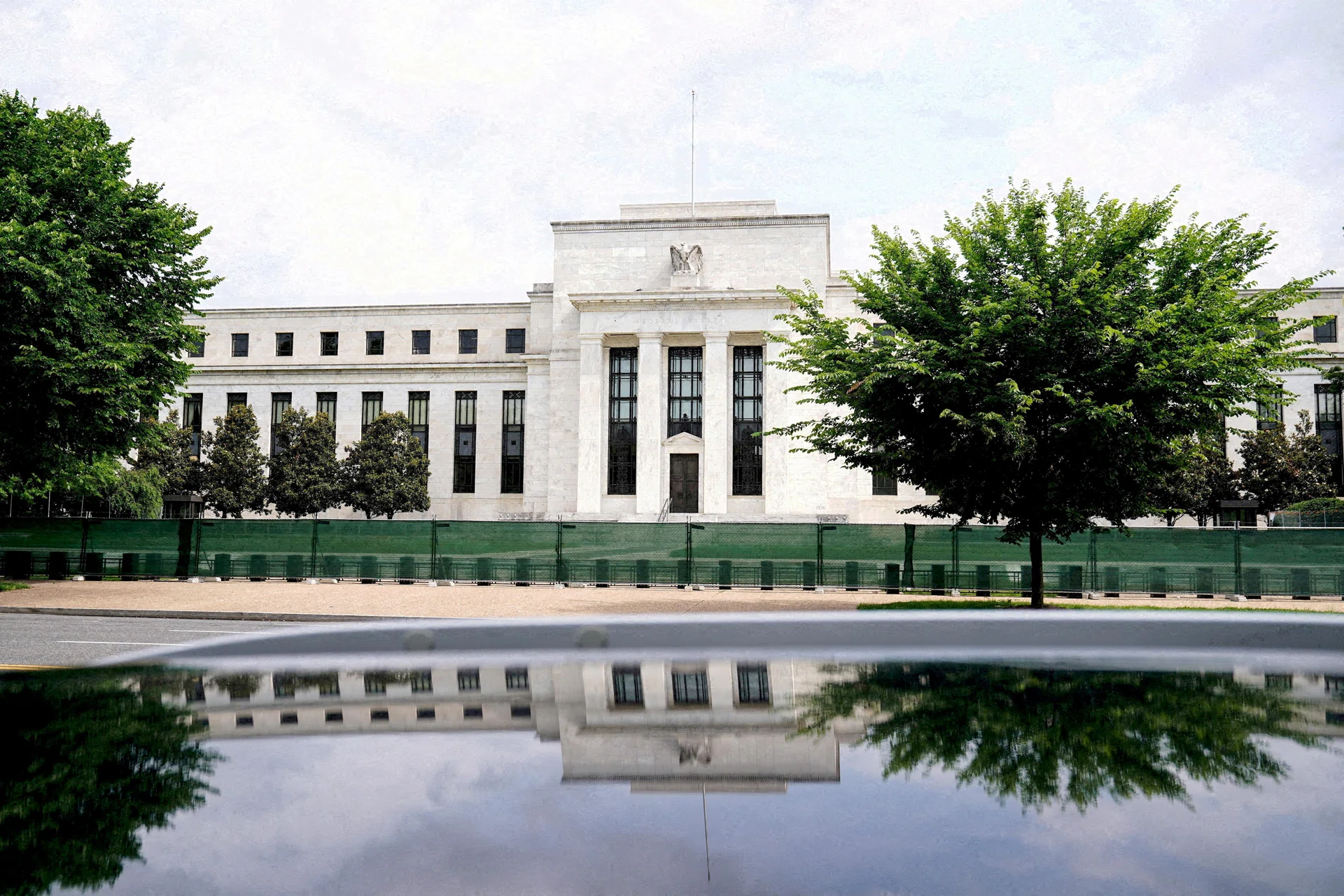
Recent events surrounding the US central bank have clouded the outlook for further cuts in 2026
[SINGAPORE] The US Federal Reserve’s December 2025 interest rate cut marked a third consecutive reduction, bringing rates to a three-year low amid job market woes and high inflation.
But recent events have clouded the outlook for further cuts in 2026.
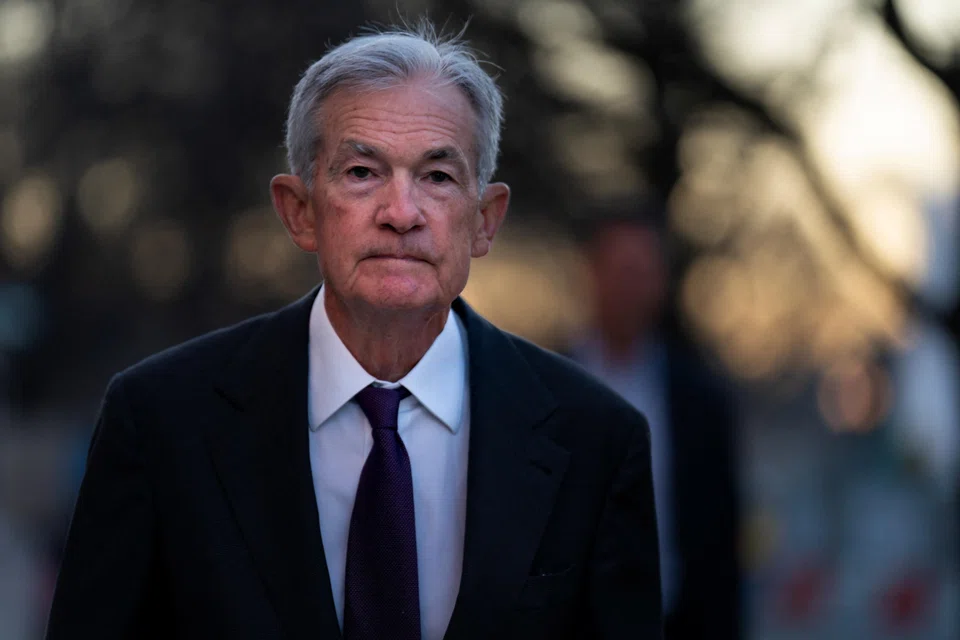
The US Justice Department’s criminal probe into Fed chair Jerome Powell over a building renovation project – described by some as an unprecedented attack on US central bank independence – has cast uncertainty over inflation and monetary policy.
What could all this mean for the Republic’s equities market and home loans?
Analysts told The Business Times that while equities and real estate investment trusts (Reits) stand to benefit from aggressive rate cuts under a Trump-inclined Fed, an independent US central bank holding out on rate cuts could hurt banks and loan growth.
If the Fed stays independent
Selena Ling, OCBC chief economist and group research and strategy head, outlined a best-case scenario, where the Fed retains independence with minimal intervention from Trump.
Navigate Asia in
a new global order
Get the insights delivered to your inbox.
OCBC’s projected single rate cut of 25 basis points (bps) for the first half of 2026 would see rates fall to a range of 3.25 to 3.5 per cent from the current 3.5 to 3.75 per cent.
DBS senior rates strategist Eugene Leow sees a best-case scenario where the Fed takes a calibrated approach involving one to two rate cuts, to provide precautionary support to the economy. DBS forecasts one rate cut by the US central bank this year.
Meanwhile, Morningstar anticipates that the federal funds rate will come in 75 basis points below market expectations at the end of 2027. It added that in the most likely scenario, the rate will fall to around 2.4 per cent in 2028.
SEE ALSO
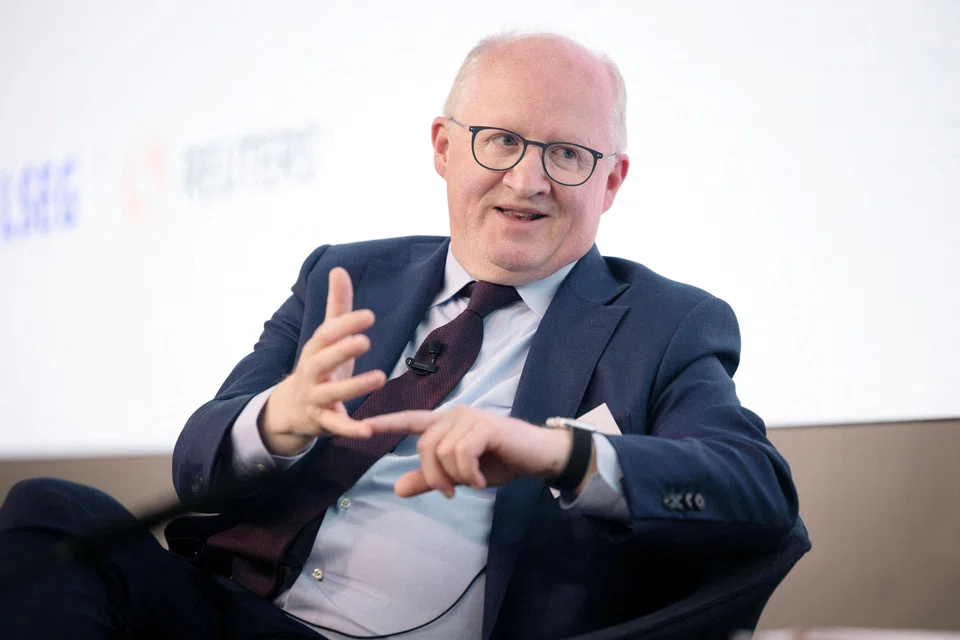
“We think the Fed will continue to cut such that the 10-year Treasury yield falls to 3.25 per cent by 2028,” said Lorraine Tan, Morningstar director of equity research for Asia.
Tan noted that further cuts may come only in H2, with the market waiting for interest rates to stabilise in H1.
There may be “some disappointment” if the Fed delays cutting rates for too long, she added, as higher-for-longer interest rates pose risks to earnings growth.
“If interest rates are higher than expected, we run the risk of reduced corporate investment in expanding capacity, especially if US gross domestic product growth is sluggish, and this could prolong a low growth environment.”
Higher-for-longer rates also pose risks to economic activity, potentially hurting loan growth and raising credit costs for banks. Tan said that this presents risks to Singapore’s market performance, given the importance of the three local banks.
If the Fed loses independence
OCBC’s Ling said that a worst-case scenario where the Fed loses independence – and Trump gets his way – could spark market unrest over political influence on the US central bank, causing volatility.
If the worst-case scenario plays out, she reckons that a new Fed chair could “aggressively” lower rates by around 50 to 100 basis points.
“If Powell is indicted, bond vigilantes may exert their displeasure,” she added. “So even though lower US interest rates are supportive of risk sentiments and growth, the short-term volatility and medium-term threat to Fed independence may (have) negative (effects).”
DBS’ Leow believes that a loss of Fed independence would lead to four to six cuts, beyond what the economy requires. This could trigger overheating, curve steepening and buoy immediate-term risk sentiment, he said.
In the event of four to six rate cuts, DBS Group research analyst Foo Fang Boon expects rate-sensitive sectors such as Reits and banks to be most affected, though Reits are likely to outperform banks.
Morningstar’s Tan, meanwhile, sees further cuts supporting equity performance. She noted that the Singapore Interbank Offered Rate eased on Fed rate cuts, and that this is expected to shore up loan growth in Singapore.
Other scenarios: Fed adopts “pause”, recession-fuelled rate cuts
OCBC’s Ling said that the most realistic scenario is a middle-ground case where a more dovish Fed chair succeeds Powell – whose term ends in May – but is restrained from being overly dovish by market discipline and balanced voices.
In this case, Ling expects the Fed to maintain a “prolonged pause mode” that balances labour market and growth softness with sticky inflation, due to more tariff pass-through in 2026.
DBS’ Leow highlighted an alternative scenario, where the outbreak of a US recession drives the Fed into a deeper cycle of four to six cuts, as required by the economy. He and Foo noted that this could raise market volatility while risk sentiment takes a hit.
For JP Morgan Asset Management (JPMAM), the most probable scenario includes one to two rate cuts around the June-to-September period, since current macroeconomic conditions do not necessitate cuts.
JPMAM global market strategist Raisah Rasid said that this could translate to a lower rate environment in Singapore and potentially accelerate capital markets activity for Reits, although upside risks to inflation from commodity prices may moderate this.
Decoding Asia newsletter: your guide to navigating Asia in a new global order. Sign up here to get Decoding Asia newsletter. Delivered to your inbox. Free.
