






There are concerns that the move may allow the kingdom to turn uranium into weapons-grade material
Published Thu, Jul 23, 2026 · 06:56 AM
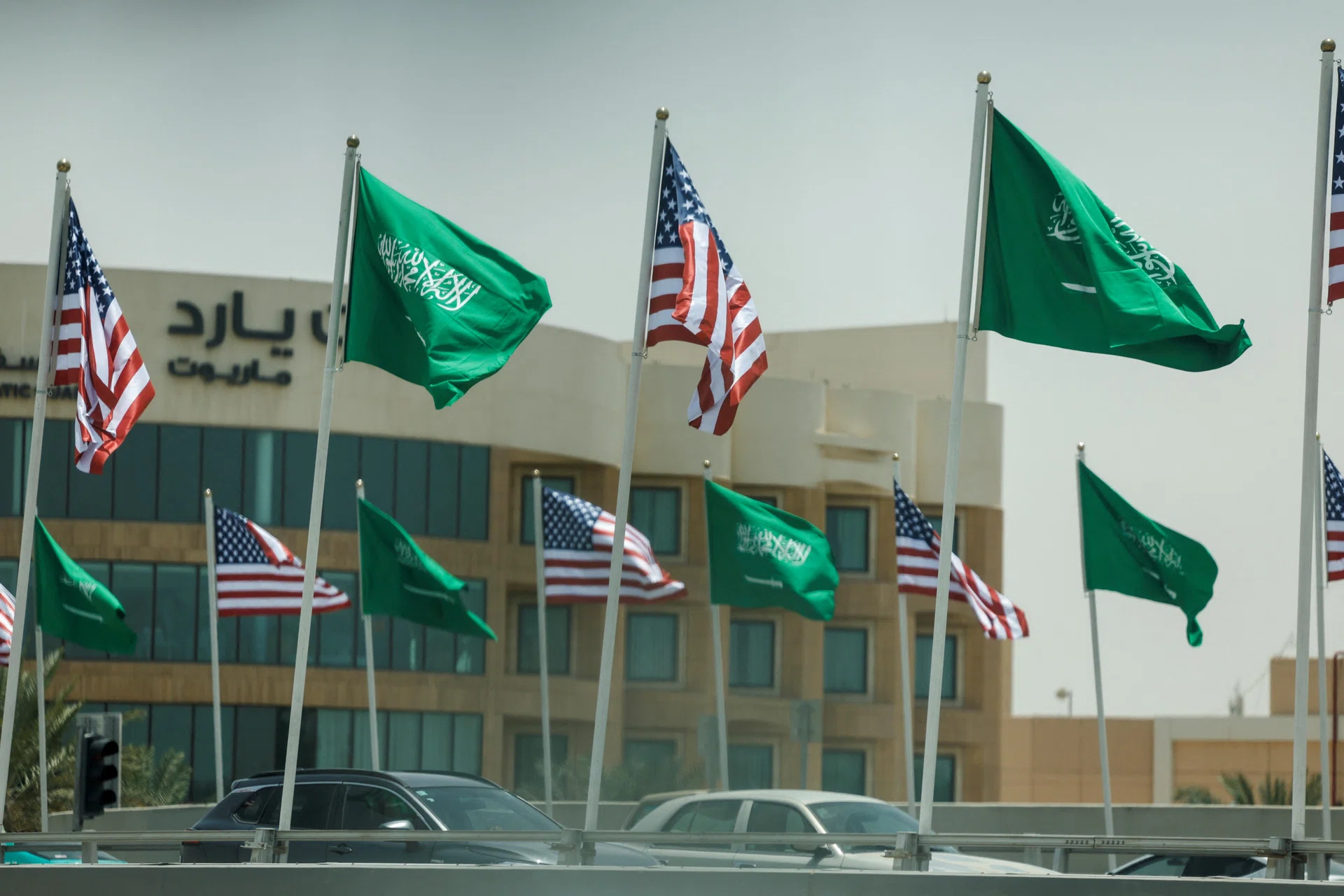
[WASHINGTON] The US and Saudi Arabia finalised a long-sought nuclear technology-sharing deal that could allow American companies to build reactors in the kingdom, but cracks the door open for the country to enrich its own nuclear reactor fuel.
While the deal could benefit Westinghouse Electric and other US nuclear companies, it is expected to break from previous nuclear sharing agreements that have expressly barred the enrichment of uranium.
It is a policy shift that has alarmed nuclear nonproliferation experts and some members of Congress, who fear it could allow Saudi Arabia to turn uranium into weapons-grade material.
US Energy Secretary Chris Wright and Saudi Arabian Energy Minister Prince Abdulaziz bin Salman signed a “peaceful nuclear cooperation agreement” as well as a “bilateral safeguards agreement”, the Energy Department said on Wednesday (Jul 22).
“These agreements reflect our two nations’ shared commitment to strengthening US-Saudi commercial relations, delivering prosperity at home and security to our allies abroad,” Wright said in a statement.
A key part of the deal, worth tens of billions of US dollars, allows American companies to build a uranium enrichment facility in Saudi Arabia if a study, conducted jointly by the US and the Saudis, determines the move is necessary, according to the Wall Street Journal, which earlier reported on the matter.
The two countries are signing the surprise agreement while the US engages in active military operations in the Middle East that US President Donald Trump has justified on the grounds of destroying Iran’s nuclear programme and preventing the spread of nuclear weapons.

The conflict has also seen numerous Iranian attacks on energy facilities across the Persian Gulf, including on power plants.
“If the reported contents are correct, then this signals a change in US nonproliferation policy and could spark a nuclear race in the Middle East,” said Bloomberg Economics analyst Dina Esfandiary.
SEE ALSO

“The US is giving Saudi Arabia what it went to war with Iran to prevent – enrichment.”
“For Saudi Arabia, this is about more than the nuclear space. It’s about entrenching the US in its security – continuing to find ways to give a stake in Saudi security,” Esfandiary said.
When asked about the deal earlier on Wednesday, Wright said it includes “the highest standards of nuclear safeguards for nuclear safety and safeguards for nonproliferation”.
The agreement will now be sent to Congress, which would need to muster a veto-proof majority to block the measure.
Senator Edward Markey, a Massachusetts democrat who has been a frequent critic of the administration’s efforts to seal a nuclear sharing deal, said in a statement after it was announced that the deal risks “the security of the United States and its allies in the Middle East by potentially enabling nuclear proliferation in Saudi Arabia and igniting an arms race in the region”.
An agreement with the Saudis could help American firms gain a foothold in a region where rivals have been active, especially Russia.
Turkey and Egypt, two of the Middle East’s largest economies and both key US allies, have been working with Moscow’s state atomic energy company Rosatom to build nuclear power plants. The first Turkish unit is slated to come online in 2026.
Past nuclear technology-sharing agreements with countries such as Japan have explicitly barred the enrichment and reprocessing of spent uranium, but the White House earlier in 2026 sent Congress a three-page report arguing for sharing sensitive nuclear technology with Riyadh, including potential cooperation on uranium enrichment and plutonium reprocessing.
The document, seen by Bloomberg, said such a deal would advance US security interests while giving Washington greater visibility into the kingdom’s programme.
Before the Oct 7, 2023, Hamas attacks on Israel, the previous Biden administration had considered making US nuclear cooperation part of a broader regional pact that would see Saudi Arabia normalise diplomatic relations with Israel and the Jewish state making some concessions toward the Palestinians.
Democratic Majority for Israel president Brian Romick said in a statement the deal was “a major strategic mistake” and was giving Saudi Arabia a concession without getting anything in return.
Nonproliferation watchdog groups said the deal would set a precedent for other Middle East nations to insist they have the right to make nuclear fuel as well, bringing them within weeks of acquiring atomic weapons.
Henry Sokolski, executive director of the Nonproliferation Policy Education Center, said in an email that the Trump administration was “pushing the magical thinking” that there would be a safeguard preventing Saudi Arabia from enriching uranium for nuclear weapons.
“In fact, no protection exists.” BLOOMBERG


