








[SINGAPORE] Business sentiments in the manufacturing and services sectors remain optimistic about the next six months despite elevated geopolitical and economic uncertainties.
This is according to 401 manufacturing firms and 1,600 companies in the services sector surveyed by the government.
The Economic Development Board said in its Business Expectations of the Manufacturing Sector survey, released on Friday (Jul 31), that a weighted 24 per cent of manufacturers expected conditions to improve from the second quarter, while 12 per cent anticipated weaker conditions. This yielded a net weighted balance of 12 per cent of manufacturers maintaining a positive business outlook for the July-to-December period, down five percentage points from the previous survey.
A net weighted balance of 26 per cent of manufacturing companies expect output to increase in the third quarter, compared to Q2 of this year.
Businesses cited price competition from overseas rivals and external political and economic conditions, including geopolitical developments and tariffs, as the top two challenges in securing export orders.
Among the manufacturing clusters, precision engineering was the most upbeat, led by semiconductor-related equipment companies in the machinery and systems segment amid strong global investment in artificial intelligence.
The electronics cluster also remained optimistic, with semiconductor companies expecting favourable conditions on robust demand for chips used in AI applications. By contrast, the general manufacturing industries cluster was less optimistic, citing rising material, fuel and freight costs as key concerns weighing on its outlook for the second half of 2026.
The chemicals cluster was the most pessimistic, as companies in the petrochemicals and petroleum segments continued to expect Middle East feedstock supply disruptions to keep costs elevated and squeeze margins.
A weighted 74 per cent of manufacturers expected employment levels in the third quarter of 2026 to remain broadly unchanged from the second quarter. All clusters except transport engineering projected an increase in their workforce.
SEE ALSO




The services sector similarly maintained a positive employment outlook for the third quarter, with a net weighted balance of 10 per cent, the Department of Statistics (DOS) said in a separate survey released on Friday.
The survey found that administrative and support services companies expected hiring to increase in the cleaning, landscaping and security segments to meet stronger demand. Likewise, recreation, community and personal services companies also planned to hire more workers in response to higher demand for healthcare and childcare services.
Overall, services companies reported a net weighted balance of 13 per cent expecting a more favourable business outlook for July to December, rebounding from minus 4 per cent for the April-to-September period in the previous survey. The previous survey was conducted after the US-Israel-Iran conflict began on Feb 28.
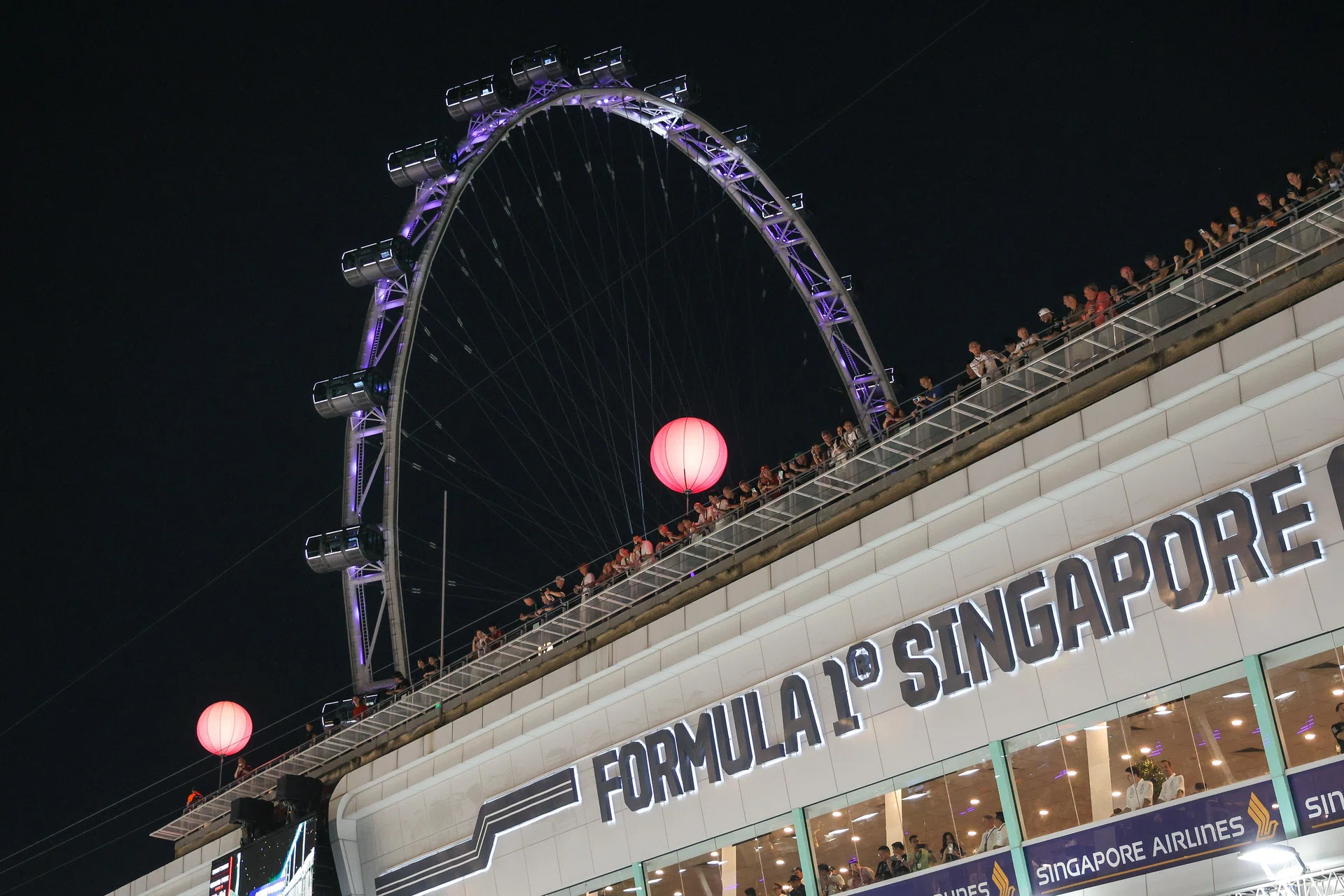
Additionally, all services industries expected operating revenue to improve from July to September, with a net weighted balance of 14 per cent anticipating an increase. DOS said accommodation companies were upbeat about the July-to-December period, expecting major events such as Formula 1 (F1) and concerts, as well as seasonal travel demand, to boost visitor arrivals and hotel occupancy.
Wholesale trade businesses were similarly optimistic, with telecommunications and computer wholesalers expecting enterprise adoption of AI to drive demand for AI-optimised servers, storage and networking solutions.
In recreation, community and personal services, companies cited new pre-school openings, stronger demand for AI-related training courses and steady healthcare demand. Administrative and support services firms also expected major events, including F1, to lift demand for security services. Professional services companies likewise anticipated favourable conditions over the next six months.
DOS said that accounting firms expected audit engagements to peak in the second half, while advertising companies projected stronger demand as clients ramped up marketing ahead of the year-end festive season.


