





Talks on a preferential tariff arrangement for Singapore’s pharmaceutical exports to the US continue, says Minister of State for Trade and Industry
[SINGAPORE] Many pharmaceutical companies are waiting for confirmation from the US administration on whether their expansion plans qualify them for tariff exemptions, Minister of State for Trade and Industry Gan Siow Huang said in Parliament on Tuesday (Oct 14).
On Sep 25, the US announced a 100 per cent tariff on branded or patented pharmaceutical products with effect from Oct 1, unless companies are building manufacturing plants in the US.
“The implementation of this tariff has since been delayed to allow time for pharmaceutical companies to negotiate exemptions with the US administration,” Gan noted.
Of pharmaceutical companies based in Singapore, many “have plans to build new capacity or expand their existing facilities in the US, and are awaiting further details from the US administration to confirm that their plans would qualify for the tariff exemption”.
She was responding to questions filed by seven Members of Parliament (MP) on the impact of US tariffs on Singapore’s pharmaceutical sector.
“We are also in discussion with the US administration on a preferential tariff arrangement for Singapore’s pharmaceutical exports to the US and will provide an update when ready,” she added.
BT in your inbox


Start and end each day with the latest news stories and analyses delivered straight to your inbox.
Key contributor
The government does not have a breakdown of Singapore’s pharmaceutical exports to the US by branded and non-branded products, said Gan.
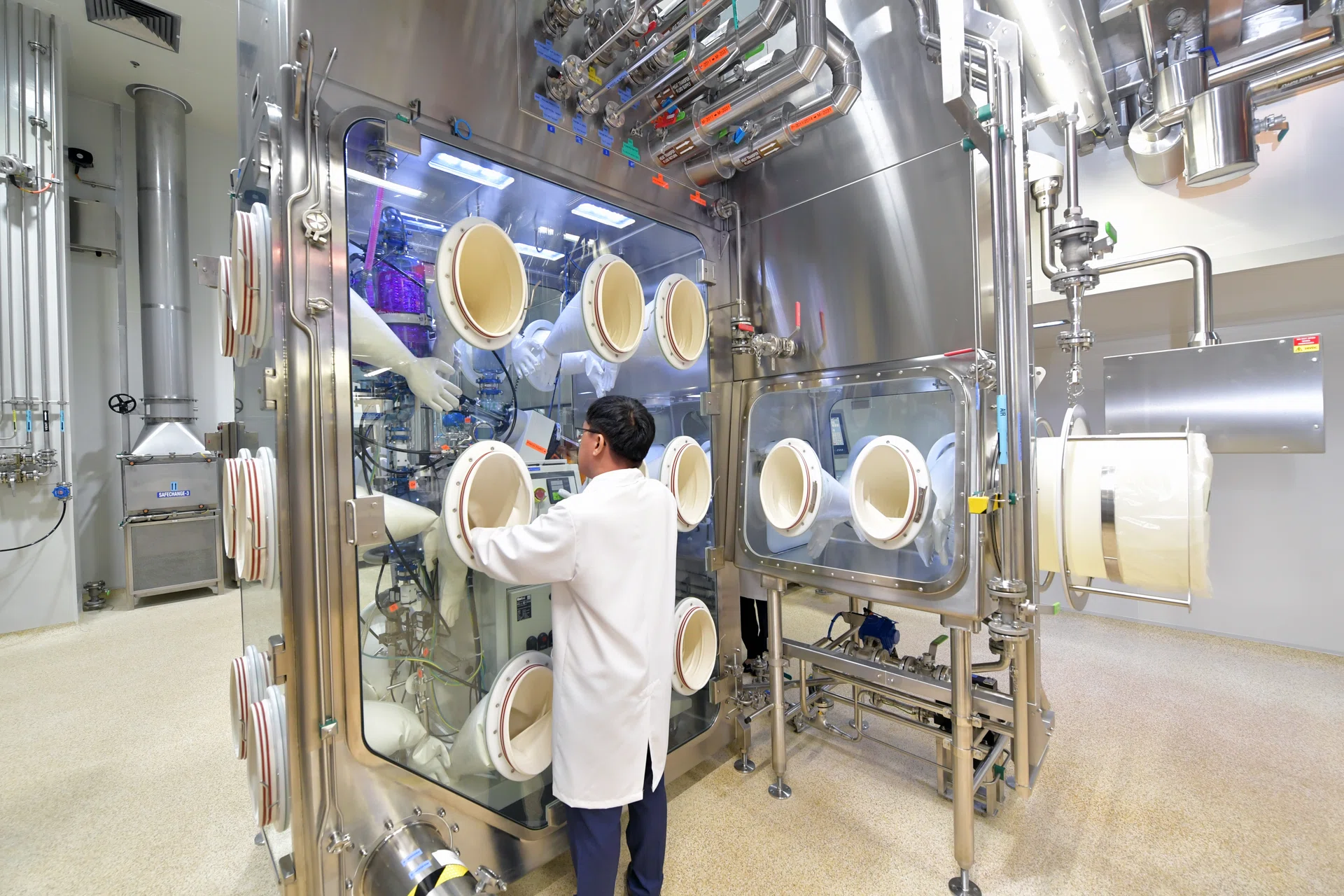
But she noted that Singapore mainly exports active pharmaceutical ingredients to the US, instead of finished products like tablets and capsules.
Between 2022 and 2024, Singapore’s pharmaceutical exports to the US averaged S$3.7 billion per year.
SEE ALSO


The industry is a key contributor to Singapore’s economy, with eight of the top 10 global pharmaceutical companies having manufacturing and research and development (R&D) activities here, said Gan.
She added that Singapore’s economic agencies continue to attract new manufacturing and R&D investments; support local enterprises; and create good jobs for Singaporeans.
“However, the US tariffs and related global developments do point towards a changed world with greater uncertainty.”


