






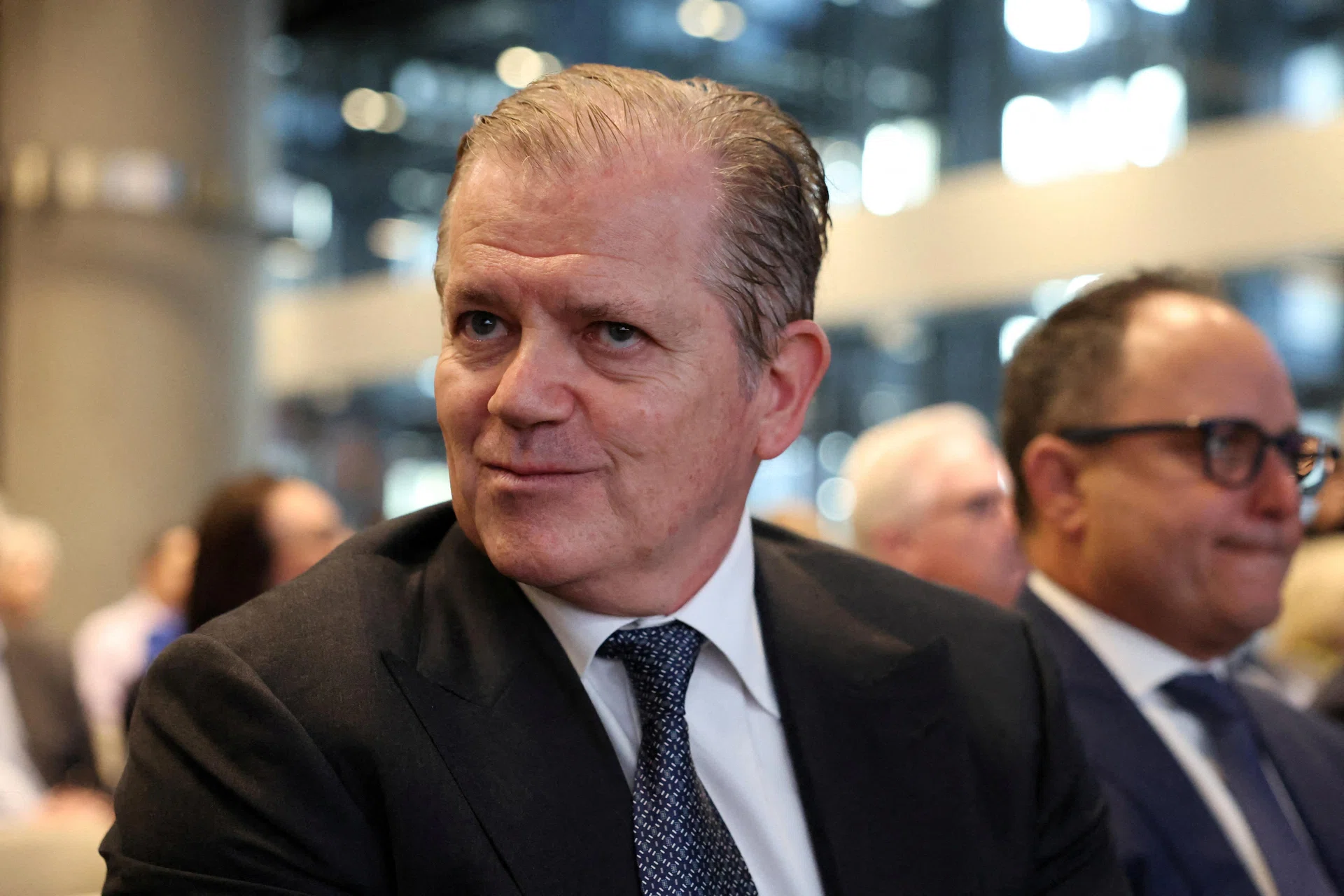
Greg Ward will take over from Shemara Wikramanayake, who is stepping down in November
Published Thu, Jul 23, 2026 · 05:19 PM
[SYDNEY] Macquarie Group named Greg Ward as its next chief executive officer, elevating a company veteran behind the firm’s aggressive retail banking expansion.
Ward will succeed Shemara Wikramanayake, who is stepping down in November after eight years leading the finance and investing conglomerate as one of Australia’s most high-profile CEOs.
Wikramanayake’s departure follows one of Macquarie’s most profitable years on record, though the period was also marked by scandals that have drawn regulatory ire.
Ward has led the firm’s banking and financial services division for more than a decade and his promotion acknowledges his success in overseeing the rapid expansion of Macquarie’s retail bank, which has gained ground in home lending. He joined the business in 1996 and spent 14 years as chief financial officer before becoming deputy managing director.
“Ward has successfully grown market share, upgraded technology and addressed regulatory issues” as leader of the banking division, said Morgan Stanley analysts. “We also believe he has built a strong understanding of the other operating businesses as a member of the Macquarie leadership team and during a long period as chief financial officer.”
That experience in the top financial role during the global financial crisis as well as his grasp of technology appealed to the board, Macquarie’s chair Glenn Stevens said on Thursday (Jul 23) on a call, adding that Ward is “very well-placed” to tackle rapidly changing technology. Stevens credited Wikramanayake for steering the firm through expansion into new markets, the Covid-19 pandemic and improving brand recognition.
The incoming leader will adopt “a very similar under promise, over deliver” approach, like his predecessors, according to Hugh Dive, chief investment officer at Atlas Funds Management. “He’s a relatively calm and measured individual, and that’s been consistent with what we’ve seen in the leadership of Macquarie Bank over the years.”
The banking and financial services division that Ward helms has grown rapidly, as Macquarie focused on its consumer and home loans business in Australia as part of a strategy to diversify earnings. Ward has also been compensated richly for the success.
Since 2015, the bank has more than tripled its market share of residential home loans from 2 per cent to 7 per cent, according to data from the Australian Prudential Regulation Authority. The country’s major banks continue to dominate the A$2.5 trillion (US$1.75 trillion) market.
SEE ALSO


The business has grown so fast that it was labelled a “maverick” two years ago and emblematic of a competitive market. That argument helped cement a failed antitrust case in which competitor ANZ Group Holdings was allowed to acquire regional rival Suncorp Group’s banking arm.
The change in guard heightens attention on Macquarie on a day when it faces questions from shareholders at its annual meeting. The gathering on Thursday saw the firm having to address issues including a decision to hire scandal-struck KPMG Australia. There were also calls from climate groups and pension funds for greater clarity on its net-zero commitments.
Macquarie “is a group that does make changes dependent on the outlook and conditions. The push into renewables, into data centres – those are things where you need foresight and leadership to back those investments,” said Nathan Zaia, an analyst with Morningstar in Sydney. “Will he be as successful in allocating capital and going after some of those opportunities? That is a risk,” he said about Ward.
Meanwhile, Wikramanayake is leaving Macquarie as its shares trade near record levels. The company’s stock is up around 25 per cent this year and set a new high last week. It rose slightly in Sydney trading on Thursday.

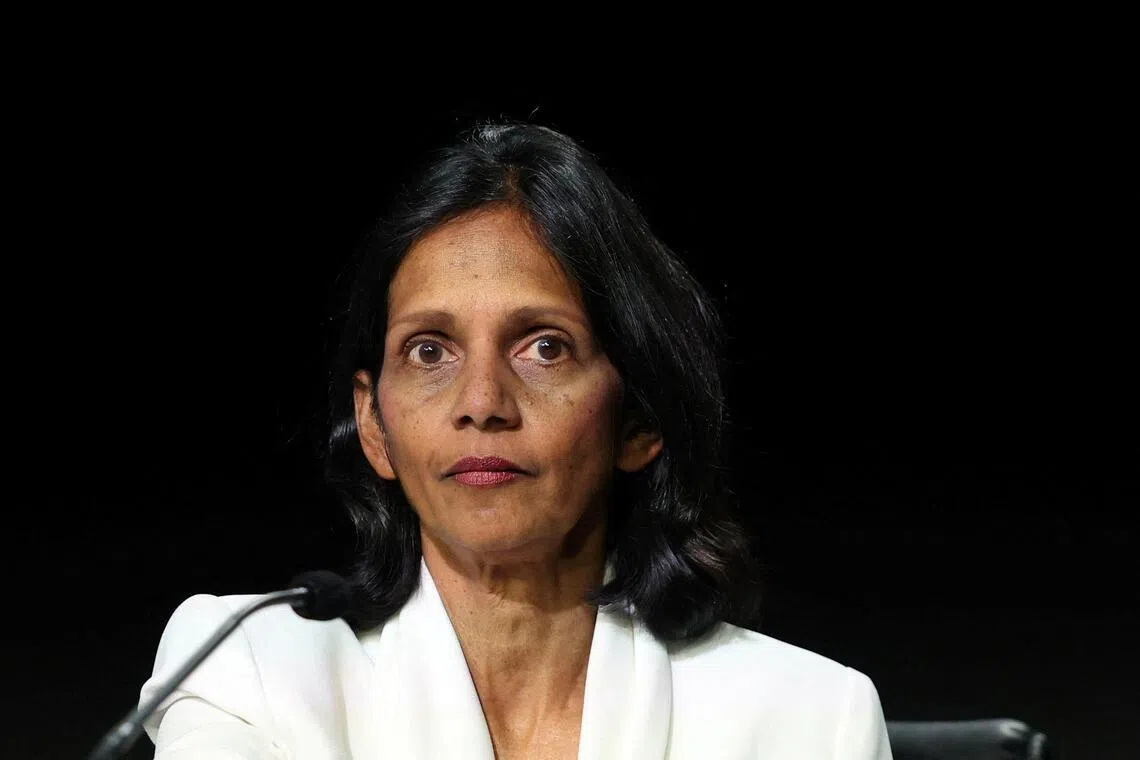
She has returned an annualised 15.7 per cent to shareholders since becoming CEO in December 2018, according to Bloomberg data.
Even so, the outgoing leader, who has been at the firm for almost four decades, has weathered several controversies.
At last year’s annual general meeting, the firm suffered a rare first strike against its executive remuneration plan as investors protested about a string of risk management lapses that drew regulatory censure from the US and UK to Australia. After Wikramanayake saw her pay curbed due to these issues, shareholders approved the compensation scheme this year.
Macquarie has also faced blowback elsewhere for problems ranging from its role as a lender to UK water utility Thames Water to the exploits of a rogue junior metals trader in London.
Meanwhile, climate groups have taken aim at the company, with one storming the stage to stop her speaking during a March event.
Shareholders at this year’s meeting will vote on a measure put forward by one advocacy group seeking greater clarity on how the business assesses loans and investments in light of its climate commitments. The vote has attracted some support from pensions, but the board has recommended to shareholders to vote against it, which they did on Thursday.
“An orderly succession is healthy for any organisation, providing continuity while also creating an opportunity for renewal, fresh thinking, and the next phase of leadership,” said Rachel Waterhouse, CEO of the Australian Shareholders’ Association, which represents retail investors. BLOOMBERG


