







Iran said Qatar was holding three of its pilots who had been missing since March. The United Arab Emirates accused Iran of attacking a vessel in the Strait of Hormuz. The Iran-backed Houthis again struck a Red Sea port in Yemen.
And in southern Lebanon, 11 people were killed in Israeli airstrikes, some of the deadliest since a shaky truce between Israel and Iran-backed Hezbollah went into effect on June 20.
Here’s a look at the latest developments on Saturday in the Iran war and the wider Middle East. Full coverage can be found here.
According to the Missing Persons Committee of Iran’s Armed Forces General Staff, Qatar’s armed forces had captured and were holding three pilots who went missing in March when their jets were downed.
Until now, Tehran had said it had no information about their fate. This is the first known case in the war where Iran has said a regional country is holding its fighters.
Saturday’s statement alleged that Qatar had violated the men’s rights by not allowing the prisoners to meet or communicate with their families or with Iranian officials handling their cases, despite diplomatic efforts and repeated follow-ups.
There was no immediate response from Qatar.
The tanker owned by Abu Dhabi’s state-owned oil and gas company ADNOC was attacked while transiting the Strait of Hormuz, the Emirati state-run WAM news agency said Saturday.
There were no injuries in the Friday evening attack, the agency reported. It was the third such attack on a vessel operated by ADNOC in the critical waterway in the last week. The United Arab Emirates in a statement called on Iran to stop the unprovoked strikes.
The United Kingdom Maritime Trade Operations center said a bulk carrier was struck in the hull by an unknown projectile on Friday. It was not immediately clear if it was the same vessel.
Iran asserted control over the strait after the war started on Feb. 28 with U.S. and Israeli strikes. About one-fifth of the world’s traded oil and natural gas passed through the waterway at the mouth of the Persian Gulf before then.
Talks between the U.S. and Iran have stalled while Iran is in discussions with Oman about how to manage the strait that runs between them and had been considered an international waterway.
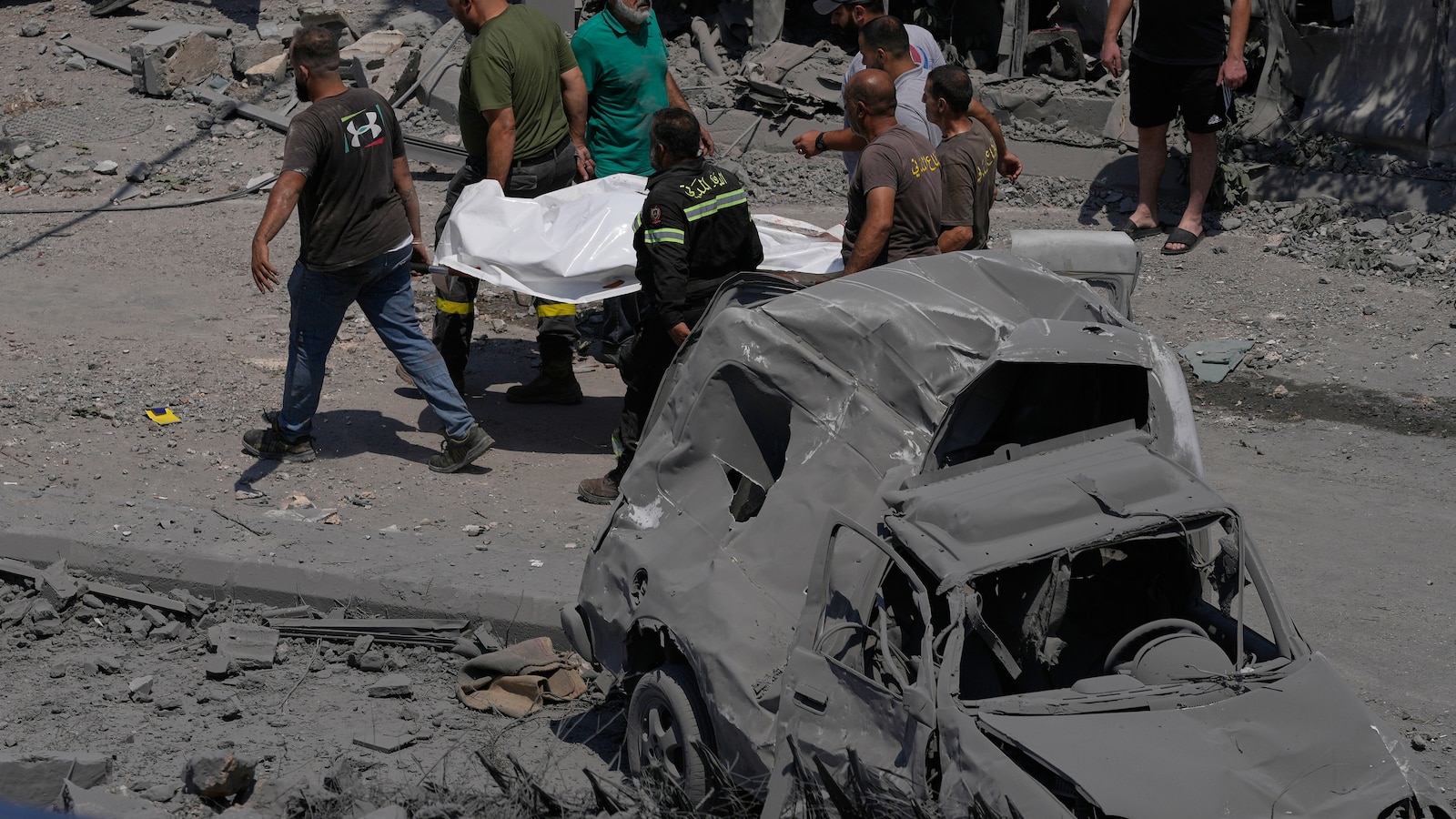
Israeli airstrikes on southern Lebanon killed at least 11 people Saturday.
Lebanon’s Health Ministry and state news agency said one strike targeted a home on the edge of the village of Ansar and killed seven people, including three children, and wounded two. The second, on the village of Deir al-Zahrani, killed four and wounded 17.
Israel’s military said it killed a Hezbollah battalion commander and several other militants at a headquarters in southern Lebanon in response to the group’s actions against Israeli soldiers operating there. Prime Minister Benjamin Netanyahu’s office in a separate statement said three soldiers were seriously injured.
The military said the commander’s family was with him, and that “it should be emphasized that the family members were not the target of the strike.” Both the military and Netanyahu’s office alleged the commander used the family members as human shields.
It was one of the deadliest days since the Lebanese government and Israel announced a “framework agreement” laying out a plan for Israeli forces to withdraw from southern Lebanon in exchange for Hezbollah’s disarmament.
The militant group refused direct talks and was not part of the agreement.
Yemen’s military said the Houthis attacked the Red Sea port of Mokha under the control of the internationally recognized government. Port director Abdul-Malik al-Sharabi told journalists that Friday evening’s attack killed three people including two marines, and that port operations had been suspended.
Military spokesperson Col. Majed al-Nazili said in a statement that the Houthis fired six ballistic missiles.
The Houthis’ attack was the latest on government-held areas and on neighboring Saudi Arabia, part of an escalation threatening to plunge Yemen back into civil war.
Analysts say the escalation reflects how Iran is scaling up pressure on the United States and its regional allies.


