







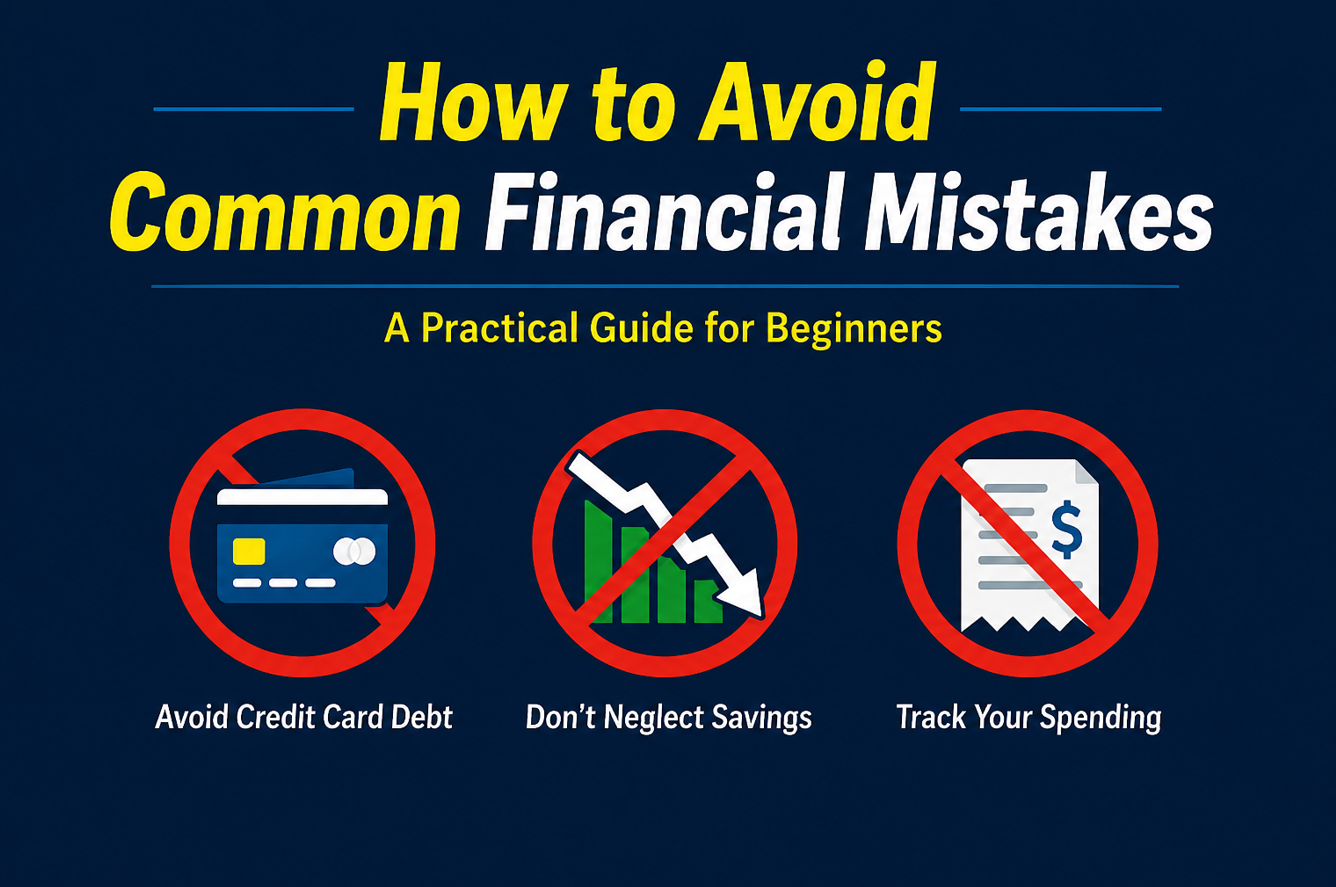


Money problems never begin with one big decision. Most of the time, they grow from small habits that feel harmless in the moment but grow and appears bigger when skipping from a proper budget, delaying savings, using credit for regular expenses, or investing without a plan. The good news is that these patterns can be fixed. If you understand the most common financial mistakes and take a few practical steps early, you can protect yourself from long-term stress and make your money work better for you.
The Most Common Financial Mistakes People Make
One of the biggest mistakes is living without a monthly budget. Everyone knows how much they earn, but not where their money actually goes. If you are not tracking your monthly spending, it becomes easy to overspend on convenience and ignore essential needs like savings or insurance most of the time. Generally 10 percent overspending of you monthly budget can be ignored.
Another general reason is not building an emergency fund. You should take care of unexpected expenses, such as medical bills, job loss, or urgent repairs, which can force people into high-interest debt when they have no cash buffer. If you have created a small emergency fund then that will appear helpful in difficult time and prevent poor financial decisions under pressure like breaking your policy or FD/RD etc. before maturity.
Debt misuse is another major problem. If you are using credit cards and personal loans, remember they are useful tools, but they become risky when used for lifestyle upgrades rather than real needs. People generally trapped in these credit tools easily and paying only the minimum due each month increases interest costs and keeps people stuck in a cycle.
Many beginners also delay investing. They wait for the “perfect time” or believe they need a large amount to start. In reality, early investing, even with small amounts, often matters more than timing the market. Waiting can cost years of compounding growth.
A less obvious mistake is ignoring financial protection. People focus on earning and spending but forget risk coverage. Basic health and life insurance can prevent one crisis from destroying years of progress.
Practical Steps to Avoid These Mistakes
You can start with a simple structure like divide income into needs, goals, and lifestyle spending. You do not need a complicated debit/credit sheet. A basic system that you review weekly is enough to improve awareness and control. You should build your emergency fund gradually. Aim first for one month of essential expenses, then move toward three to six months over time. You should keep this money separate from daily spending so it is available when needed.
For debt management, prioritize high-interest debt first while continuing minimum payments on others. Avoid taking fresh debt for non-essential purchases. If credit card balances are rising monthly, treat that as an early warning sign and adjust spending immediately.
For investing, begin with goal-based planning. Define what you are investing for, such as retirement, children’s education, or a house down payment. You can choose investment products that match your time horizon and risk comfort. Consistency is more important than chasing quick returns.
Also good thing is to automate good habits. You can prefer to set automatic transfers for savings and investments right after salary credit. This automation reduces emotional decisions and keeps your plan active even during busy months. Finally, review your finances every quarter. Check spending patterns, debt levels, insurance coverage, and progress toward goals. Personal finance is not a one-time setup; it is an ongoing system that improves with regular attention.
Conclusion
Since adopting these habits are little bit difficult but not impossible. You should remember that avoiding financial mistakes is not possible but they can be minimized. Also we can not live on a clear budget all the time but we can adopt good things like emergency savings, disciplined debt like credit card and personal loan use and repayment on time, early investing, and periodic expense reviews can dramatically improve your financial health. You do not need to change everything overnight but you can start with one correction, stay consistent, and build from there. Over time, these small, smart actions create stability, confidence, and real financial freedom.
Related
Discover more from Newskart
Subscribe to get the latest posts sent to your email.


