






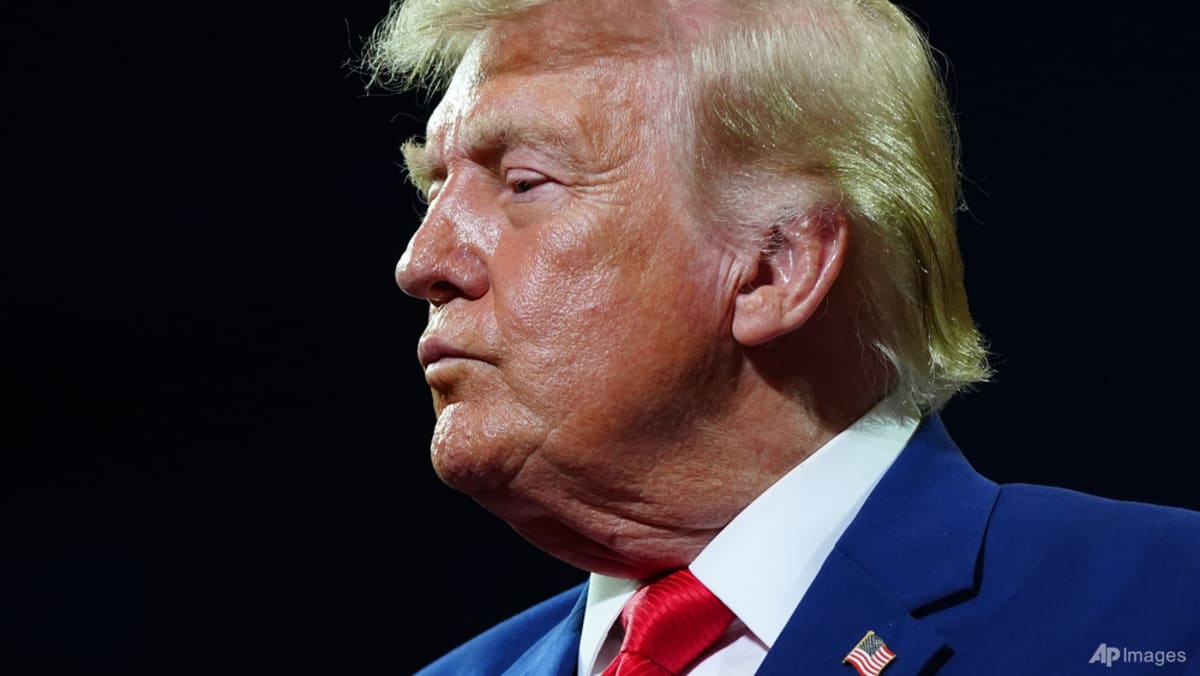
She stressed, however, that all countries “are in worse shape” than before the start of Trump’s second term, when the average effective US tariff rate was about 2.4 per cent.
“We are now in a much higher tariff world with … more tariff and other trade tools being threatened by the United States against many of its largest and most important trading partners.”
LIMITED GLOBAL PUSHBACK
Most countries are likely to accept the new tariffs rather than retaliate, analysts said, with the bigger challenges expected to come through legal battles in US courts and potentially Congress after November’s midterm elections.
“We do know that the majority of these tariffs are paid by domestic consumers,” said Stone.
“So any country that retaliates against the US by putting tariffs on US exports to their countries is really harming their own domestic businesses and their own domestic consumers.”
She added that many countries had come to recognise the economic costs of retaliatory tariffs, which explains why earlier US trade measures did not trigger broader retaliation.
“I suspect large parts of the world will just shrug and move on and largely accept the tariffs,” Peter Draper, executive director of the University of Adelaide’s Institute of International Trade, told CNA’s Asia First.
“We also know that the broader geopolitical environment is tenuous. It’s deteriorating.”


