


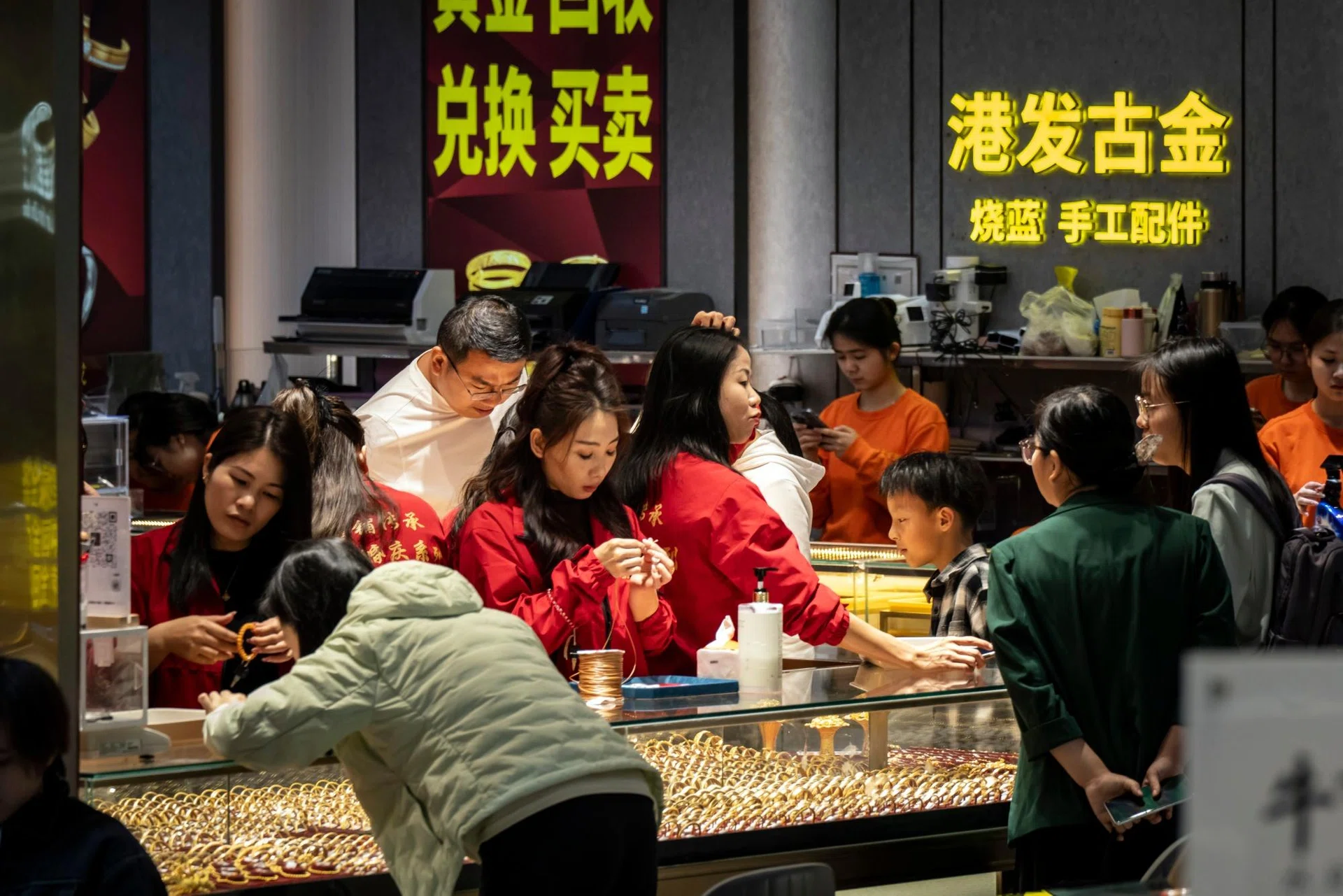
Copper, gold and silver all hit record highs, and activity on Chinese futures markets has soared
Published Fri, Feb 6, 2026 · 01:49 PM
WITH ample cash but fewer investment options, Chinese speculators have fanned a rally in global metals prices, underscoring just how difficult it is for authorities to channel capital into the real economy.
International prices of base and precious metals, which are heavily keyed to demand in the world’s biggest buyer, went stratospheric last month. Copper, gold and silver all hit record highs, and activity on Chinese futures markets has soared.
“We are seeing rocketing short-term trading volumes in silver, copper, aluminium, nickel, tin and steel wire rod futures markets in the last few months, likely a result of surplus liquidity with a dearth of attractive options elsewhere,” said Duncan Wrigley, chief China economist at Pantheon Macroeconomics.
Easy money has helped underpin the economy for years, but the People’s Bank of China (PBOC) is being forced to do more to prop up sluggish growth. The M2 measure of money supply expanded 8.5 per cent in December from a year ago, a much faster rate compared with the 3.9 per cent rise, feeble by Chinese standards, in nominal gross domestic product recorded in the last quarter of 2025.
Investment in more economically fruitful activities, such as retail spending and capital expenditure, has not kept pace. Households have been penny-pinching on their day-to-day shopping since the pandemic.
Chinese banks last year extended the least amount of new loans since 2018. Fixed-asset investment – covering buildings, machinery and infrastructure – recorded the first annual contraction on record.
Navigate Asia in
a new global order
Get the insights delivered to your inbox.
“The PBOC can only ensure ample banking system liquidity and guide down interest rates, but it can’t magic up attractive investment options in the real economy, and so people are chasing returns in the financial markets,” Wrigley said.
Some of the sting has come out of metals markets in recent days, although prices for key items such as copper and gold are still near record highs.
China’s worsening economic conditions have amped up calls for more policy support, including monetary measures such as reducing the reserve requirement ratio at banks or outright cuts to interest rates. But the PBOC might prefer to pause a little if it judges liquidity to be more than sufficient and giving rise to asset bubbles.
Ultimately, though, higher raw materials prices should help policymakers seeking to reflate the economy.
But China’s present economic conditions – weak consumption, deflation and industrial overcapacity – don’t support the run-up in prices. Factories that rely on metals to make appliances, phones and cars have scaled back purchases rather than get crushed by the extra costs, leaving real-world demand languishing and disconnected from futures markets.
Financial investors are looking past these factors and responding to long-term justifications for holding commodities, whether that’s currency debasement for precious metals, the green transition for lithium, or demand from artificial intelligence for tin.
Metals such as copper and aluminium are also in short supply globally, compounding the fervour.
Speculative fervour
The scale of the surfeit of cash is part of the problem. Roughly US$7 trillion in time deposits held at banks come due this year, a mountain of savings parked by households after years of crisis in the property sector and lacklustre returns from the stock market.
But that money’s being freed up just as the menu of attractive investment choices is narrowing, offering an opportunity for precious metals in particular to shine.
Real estate, once the go-to place to put cash, is now viewed as loss making, said Zhaopeng Xing, senior China strategist at ANZ Bank China. Interest rates on bank deposits are meagre, equities markets face pressure from state intervention, and bond yields are subdued, he said.
“Against this backdrop, gold and silver stand out as rare investment options delivering attractive returns,” he said.
Gold’s prestige and historical allure make it a stickier investment for citizens.
“In China, gold is not merely an abstract hedge or a portfolio line item,” said Tommy Xie, head of Greater China research and strategy at OCBC. “It is a cultural asset, a store of value, and a form of household savings. This cultural dimension has long underpinned Chinese demand for gold.”
The number of onshore financial products invested in gold more than doubled in two years to over 300 by the end of 2025, according to registrations on the Shanghai Gold Exchange. The value of that gold stood at 243 billion yuan, an increase of more than eight-fold, though still a drop in the bucket compared to the 180 trillion yuan estimated for China’s total financial products market. BLOOMBERG
Decoding Asia newsletter: your guide to navigating Asia in a new global order. Sign up here to get Decoding Asia newsletter. Delivered to your inbox. Free.
