



The Caribbean has become a stage once again for military expansion, and center stage is Puerto Rico. America recently took the Venezuelan-cartel-related war to the next level with a show of force in the form of warships, thousands of Marines and sailors, and most notably, a fleet of F-35 fighter jets.

The deployment of force comes after a violent attack on a vessel utilized by a cartel, an action that has rocked local politics and established the tone for what may prove to be a long-standing standoff.

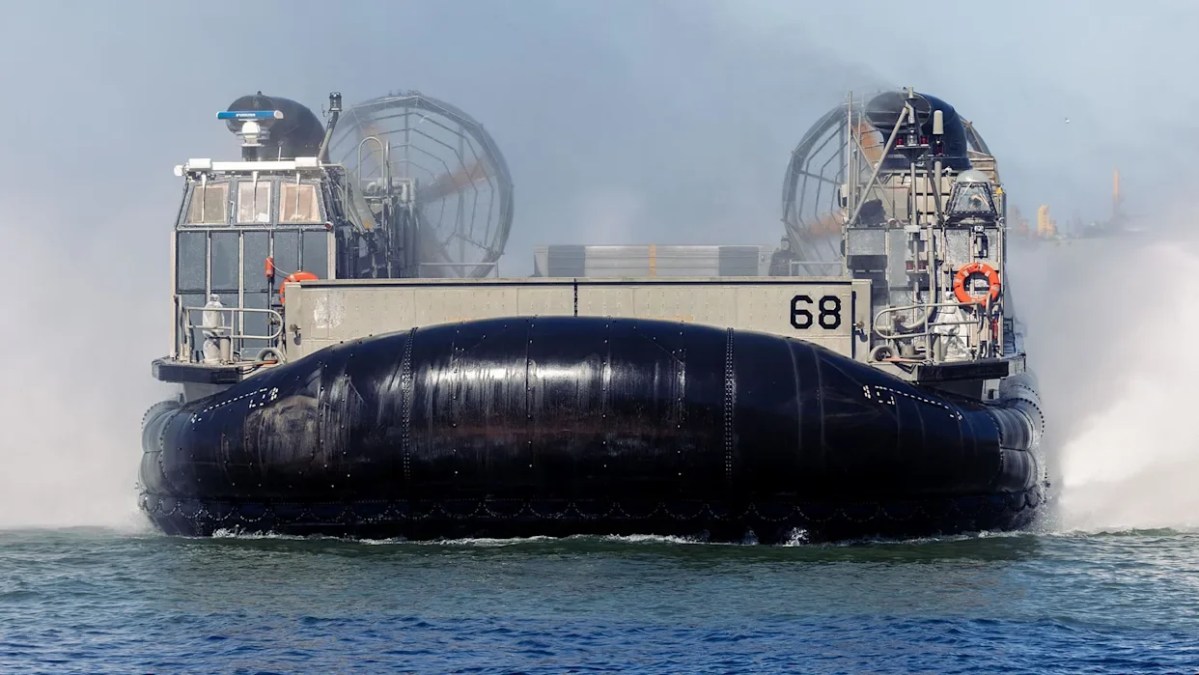
The scope of the American deployment is broad. 22nd Marine Expeditionary Unit Marines have been making amphibious assaults along Puerto Rico’s southern coast, patrolling, and conducting reconnaissance, as well as conducting survival training with Puerto Rico National Guard soldiers. The drills are intended to raise readiness and coordination with indigenous forces, according to the military spokesmen.

The naval presence consists of the USS Iwo Jima, USS San Antonio, and USS Fort Lauderdale, and seven more warships comprising guided missile destroyers and even a nuclear-powered submarine. The firepower is complemented by 10 F-35 stealth bombers, something that outguns Venezuela’s aging fleet of F-16s.

The reason for the sudden surge in stakes was an American attack on a cartel-associated speedboat that was connected to the Tren de Aragua cartel, which is a regime-associated group connected to President Nicolás Maduro. Eleven died. US officials referred to the assault as a clear message to traffickers.

The President had called it a “kinetic” move, but high-ranking officials insisted that only tough measures would be strong enough to penetrate the cartels’ rings. The commanders of defense claimed that the U.S. has warships, vessels, and planes in the area so that the campaign will not be wrapped up in a single strike. Caracas responded defiantly.

Maduro accused Washington of hiding behind the anti-cartel struggle to promote regime change and promised that Venezuela would reply with guns if attacked. Maduro called the deployment “the greatest threat the continent has faced in a century” and stated that he would mobilize the country to react to it.

Venezuelan troops are guarding the borders, and pro-government paramilitary groups are being mobilized if needed. The standoff grew worse after two Venezuelan F-16s were seen over the USS Jason Dunham in international waters, a move the Pentagon called “provocative” and warned should not be followed. In the US, arguments on both sides are being made regarding the legality of the US raid.

Congressmen and human rights groups are questioning whether the administration can conduct deadly operations against cartel members without Congressional or judicial sanction. Critics are sounding alarms about establishing the wrong precedent, with such operations blurring the line between military action and law enforcement. Administrators, nevertheless, legitimize the strike as legal under the law of armed conflict and as a strike in requested defense of U.S. and regional interests and allies who were resisting cartels’ violence.

Beyond the immediate fight, the strategy is a return to classic power projection in the region. In characterizing cartels as terrorist groups and employing high-tech tactics, Washington is reaffirming its hegemony over the hemisphere. But there is a high price to pay. Specialists caution that unbridled military intervention can take America down a long guerrilla war, destabilize vulnerable regimes, and strain relations across the region.

Puerto Rico’s role in all this is not new—it has been used as a military staging ground for U.S. intervention in the Caribbean for decades. But the island is the seat of an ongoing campaign against criminal organizations and an opposition regime. Whether such a show of force will satisfy traffickers and soothe nerves, or instead enrage a broader war, remains to be seen. Meanwhile, the world holds its breath as things continue to unfold.
