


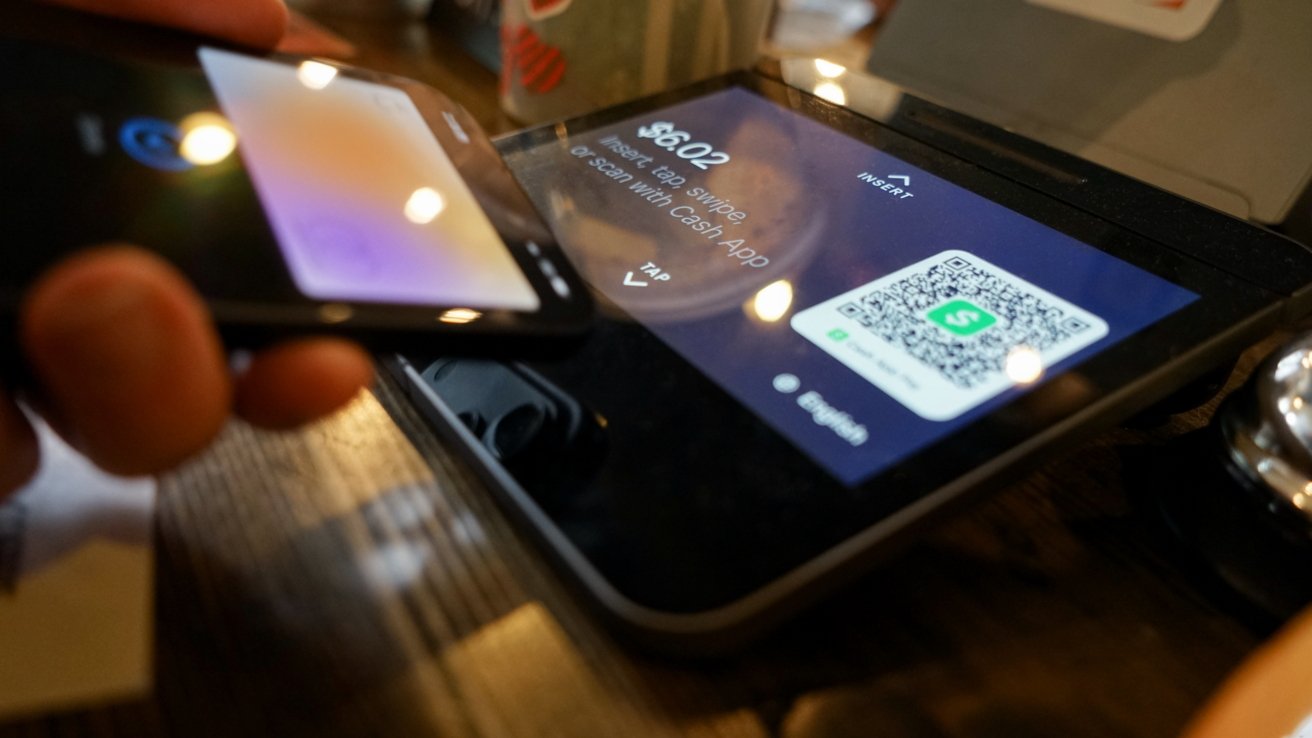
Thousands of U.S. banks and credit unions can pursue their Apple Pay fee claims together after a federal judge certified their antitrust lawsuit as a class action.
The financial institutions accuse Apple of blocking competing tap-to-pay wallets on iPhone while charging card issuers fees for transactions. They argue Apple could impose those fees because rival wallets couldn’t compete for contactless payments on the iPhone.
Judge Jeffrey White certified the class on September 23 and rejected Apple’s attempt to exclude the plaintiffs’ damages expert. The ruling doesn’t decide whether Apple violated antitrust law or owes the issuers money.
Card issuers pay Apple 0.15% of the value of credit card purchases made through Apple Pay and half a cent for each debit transaction, according to the credit unions’ lawsuit. For example, a $100 credit card purchase through Apple Pay costs the card issuer 15 cents in Apple Pay fees.
Affinity Credit Union, GreenState Credit Union, and Consumers Co-op Credit Union filed the lawsuit in 2022. They argue Apple couldn’t have sustained its Apple Pay fees with meaningful competition, pointing to Android wallets that don’t charge card issuers transaction fees.
The lawsuit alleges Apple blocked rival wallets from using the iPhone’s contactless payment hardware, leaving Apple Pay as the only option for tap-to-pay card transactions. The credit unions say the lack of competition let Apple charge inflated fees, which they want repaid along with changes to the challenged practices.
Apple previously tried to have the case dismissed. A 2023 ruling allowed the monopolization claim to continue while dismissing a separate allegation that Apple unlawfully tied iOS devices to Apple Pay.
Thousands of issuers can pursue the case together
The certified class covers U.S. entities that issued an Apple Pay-enabled card and paid Apple a fee for a transaction made with that card. The plaintiffs estimate that thousands of banks and credit unions qualify.
Apple didn’t dispute that the proposed class was large enough to meet the numerical requirement for certification. White found that the court can resolve key questions for the entire class rather than separately for every issuer.
The questions include whether Apple had monopoly power, harmed competition, and charged fees that injured card issuers. Apple’s uniform rates for credit and debit transactions could also provide a common way to calculate any overcharges if the issuers prove their case.
 Apple Pay setup on iPhone
The ruling also allows Christopher Vellturo, the plaintiffs’ damages expert, to testify. Vellturo compares Apple’s issuer fees with the zero-dollar issuer fees he attributes to competing mobile wallets, then uses that difference to estimate how much class members may have overpaid.
Apple challenged his methodology and asked the court to exclude his testimony. White instead found that Apple’s objections concern how convincing the analysis is, leaving the company free to attack its assumptions and conclusions as the case continues.
iPhone tap-to-pay access has changed since the lawsuit began
Apple’s restrictions have changed since the credit unions filed the lawsuit. Starting with iOS 18.1 in 2024, eligible third-party apps can handle contactless iPhone payments without routing them through Apple Pay, and users can choose an eligible app as their default for contactless transactions.
Developers still need Apple’s approval and a commercial agreement that includes applicable platform fees, according to Apple’s documentation. Apple’s developer fees are separate from the Apple Pay transaction fees challenged in the lawsuit.
The September 23 ruling lets the issuers pursue their claims together, including a request to change Apple’s practices. Expanded NFC access could affect what changes remain necessary, but it doesn’t resolve claims over fees already paid or establish that the fees were unlawful.
