



Summary created by Smart Answers AI
In summary:
- Macworld reports that Ford is partnering with Apple Maps for its new Universal Electric Vehicle Platform, moving away from Google for navigation services.
- The first affordable mid-sized electric truck using this platform is expected in 2027 with a target price around $30,000.
- Apple Maps will power navigation, real-time traffic data, and Ford’s BlueCruise autonomous driving development using Apple’s MapKit for Automotive SDK.
If you don’t follow the automotive industry very closely, you might not be aware that Ford is embarking (again) on a big new electric vehicle program.
The Universal Electric Vehicle Platform is meant to be a highly streamlined and optimized way for Ford to create a variety of vehicles that deliver a great experience using fewer parts and manufacturing steps, with more components shared between vehicles. Essentially, applying the concepts that makes China’s EV designs so much more affordable to make.
The first vehicle on this new platform is due in 2027 and should be an affordable mid-sized electric truck with a starting price “around $30,000,” with other vehicles to follow quickly after.
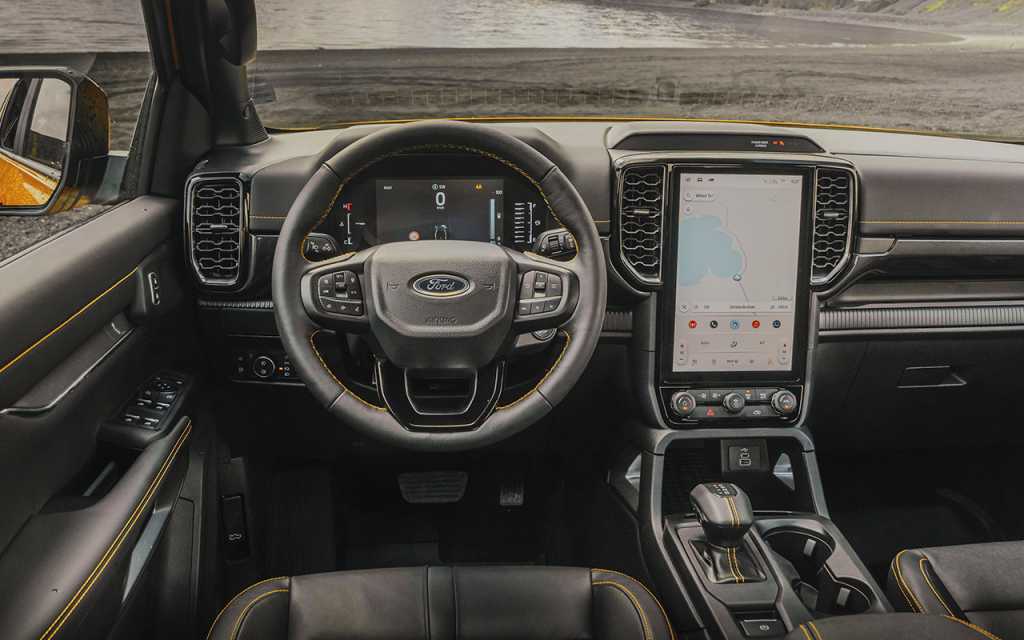
Apple just announced that the in-car software component of this new platform will use Apple Maps for navigation. Specifically, it will use the MapKit for Automotive SDK, which means Ford will build its own experience using Apple’s map data, not that it will simply copy the interface experience you get using Apple Maps with CarPlay, for example.
Currently, most vehicles’ built-in navigation systems use map data from the likes of TomTom, OpenStreetMap, or Google, including Ford’s current Digital Experience, which uses “integrated Google apps and services like Google Assistant, Google Maps and more on Google Play.” Often, car makers will use more than one provider—one for broad navigation and traffic data or address locations and information, and others for finer street-level navigation or parking lots.
The press release says that Ford will rely on Apple Maps data for navigation, real-time traffic and incident information, and location data including search with place cards. Ford will also use road-level information from Apple Maps as part of the development of its next-generation BlueCruise hands-free highway driving capability. CarPlay will continue to be available on upcoming Ford vehicles as well.
