


WASHINGTON — Health advisers begin meeting Thursday to review more than a half-dozen peptides, unproven substances that have become a growing wellness trend despite little evidence they are safe or effective.
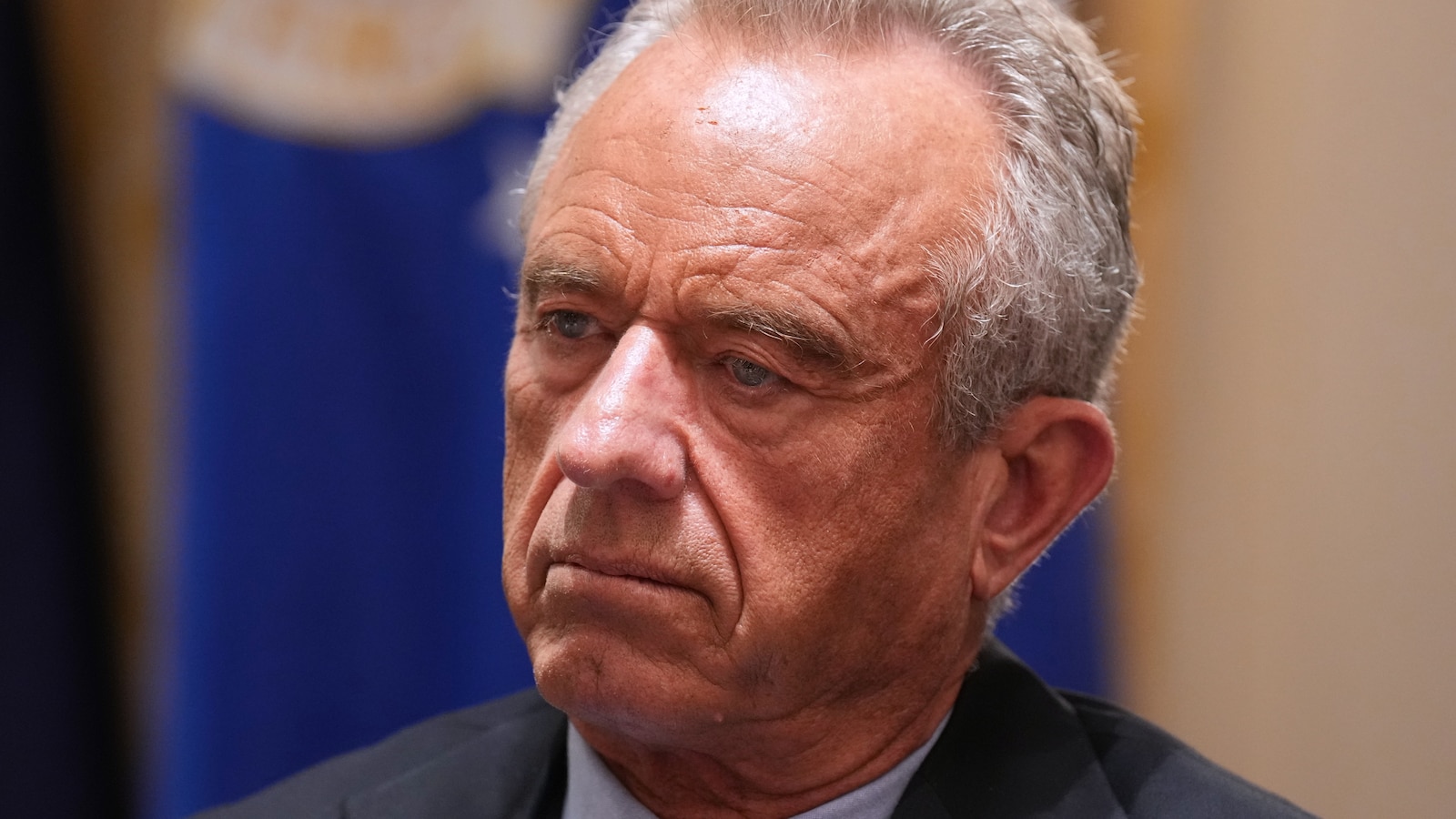
The two-day meeting hosted by the Food and Drug Administration has the backing of Health Secretary Robert F. Kennedy Jr., who has described himself as a “big fan” of peptides and vowed to overturn industry restrictions put in place under President Joe Biden.
Peptide supporters include podcaster Joe Rogan and wellness influencers such as Gary Brecka, a supporter of Kennedy’s “Make America Healthy Again” agenda who sells peptide vials online. Social media platforms are brimming with testimonials from people claiming the substances helped them build muscle, recover from injuries or look younger.
Despite such support, the FDA’s two-day meeting is expected to showcase a stark split over the compounds.
FDA’s career scientists have made clear they don’t think there’s enough data to support making peptides more widely available, specifically from compounding pharmacies, which mix customized medicines that aren’t available from traditional drugmakers.
That’s also the stance of many medical and scientific experts who have weighed in ahead of the meeting.
“This is really alarming,” said Rita Jew, a pharmacist and president of the Institute for Safe Medication Practices. “There aren’t that many other substances people are injecting into themselves where you see that the clinical evidence is so lacking.”
But the panel of outside advisers convened for the meeting includes at least seven doctors or pharmacists with financial ties to the peptide industry. The group includes owners of wellness clinics that sell peptides, pharmacies that produce the formulas and online consulting businesses that promote them. Other expert panels appointed under Kennedy have faced criticism for apparent conflicts of interest.
Earlier this week, the FDA added several additional experts to the 20-member panel, including academics who don’t have connections to the industry.
The experts will take votes on whether the FDA should allow seven popular peptides to be added to a list of substances that are safe for compounding by pharmacies. The votes aren’t binding and the FDA has periodically bucked the recommendations of its outside experts.
Peptides are the building blocks of more complex proteins, triggering hormones inside the body needed for growth, metabolism and healing. Drug companies have brought several to market as medications, including mainstay treatments for diabetes and weight loss.
Peptide supporters have asked the FDA to consider the seven peptides under review this week for various medical conditions, including ulcerative colitis, migraines and opioid addiction.
In recent years, the FDA had warned Americans about the risks of injecting peptides like BPC-157 and TB-500, both of which are set for review on Thursday. The chemicals are promoted online as a way to recover from injuries and reduce inflammation. Both are considered doping substances by international sports authorities.
In a scientific review posted ahead of the meeting, FDA scientists reiterated their longstanding concerns. Again and again, regulators said they could find little data on safety or effectiveness and raised concerns about risks of contamination, allergic reactions and quality control. Most of the data they did find came from studies in animals, including rats, and not humans.
For all seven peptides reviewed, the staffers recommended against making them available for compounding.
The FDA assessment is only one part of more than 18 hours of discussions and presentations scheduled across two days. The meeting also includes opportunities for members of the public to address the FDA and its experts.
Ahead of the meeting, the FDA received more than 1,900 public comments, including from doctors and patients attesting to the benefits of peptides.
“For many people, this is about a therapy that is helping them, and whether they can get it safely and legally from a regulated pharmacy instead of taking their chances in the gray market,” states the American Academy of Peptide Medicine, a group that includes doctors and wellness clinic operators who promote peptides. The group’s website states that it is “an educational academy, not a licensing or accrediting body.”
After the meeting, the FDA will review the votes, discussion and public comments before making a decision on whether to ease access to the peptides.
FDA-watchers say the most likely outcome may be a temporary policy reassuring pharmacies that they won’t be targeted for compounding the peptides under review. Formally placing the substances on FDA’s list of drugs that are safe for compounding would require new regulations, which can take months or years to draft.
“We’re still going through this process, but I think it’s more than likely that the process will end up at the result that Secretary Kennedy wants,” said Nathan Beaver, an attorney specializing in FDA issues.
___
The Associated Press Health and Science Department receives support from the Howard Hughes Medical Institute’s Department of Science Education and the Robert Wood Johnson Foundation. The AP is solely responsible for all content.
