


A tanker has been struck by an unknown projectile northeast of Oman’s Limah, UK Maritime Trade Operations says on Tuesday
Published Tue, Jul 21, 2026 · 04:36 PM
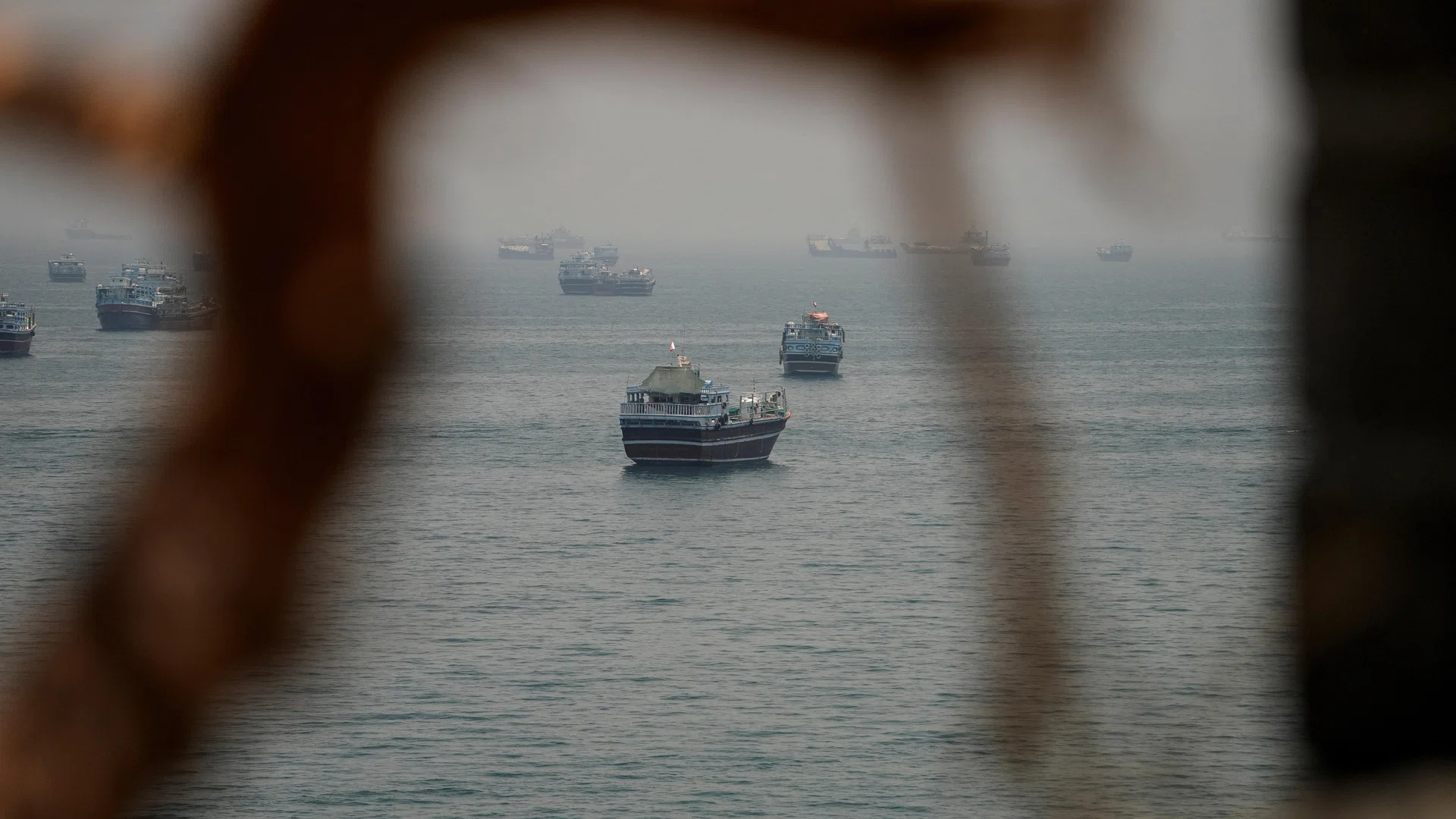
[SINGAPORE] Another tanker was attacked in the Strait of Hormuz as renewed hostilities empty the waterway, while a threat by Houthi rebels to blockade Saudi Arabia in the Red Sea heightened regional maritime risks.
The Kaifan, an oil products tanker owned by Kuwait Oil Tanker, was the vessel attacked in the strait, according to security consultancy EOS Risk Group.
The ship was struck by an unknown projectile northeast of Oman’s Limah, UK Maritime Trade Operations said earlier on Tuesday (Jul 21), without naming the tanker.
Kuwait Oil Tanker did not immediately respond to emailed requests for comment, and ship tracking data shows Kaifan last signalled its location more than a month ago near Sohar, Oman.
The attack on the Kuwaiti tanker follows strikes in recent days on vessels owned by Dynacom Tankers Management. Hormuz was deserted on Tuesday, with no ships observed transiting, data shows.
Iran’s recent spate of attacks has focused on oil tankers shuttling through the strait along the Omani coast, often with their transponders turned off.
Earlier strikes have affected major operators such as South Korea’s Sinokor Group and Greece’s Dynacom, which have been instrumental in sustaining crude flows during much of the war with tankers sailing through Hormuz dark.
In the week ended Jul 19, Hormuz crossings averaged seven tankers each day, compared with 16 per day a week earlier, said Rahul Kapoor, global head of shipping analytics and research for S&P Global Energy.
“Ship operators remain increasingly cautious, with risk tolerances continuing to be tested,” he said.
SEE ALSO
An empty Sinokor supertanker, Plata Singapore, that was sailing towards the Gulf of Oman with the aim of reaching Saudi Arabia’s Ras Tanura in the Persian Gulf, deviated from its path on Sunday, according to ship tracking data.
The vessel is currently in the Arabian Sea. The South Korean company did not immediately respond to an emailed request for comment.
The threat by Iran-backed Houthi militants to blockade Saudi Arabia’s maritime traffic has added another element of risk.
Shipowners with vessels seeking to transit the Red Sea were advised to review their affiliations with the kingdom, with at least one supertanker in nearby waters switching its broadcast to say that it belongs to the Indian government.
The India-flagged supertanker, Desh Viraat, which is half-filled with crude from Fujairah, began sailing southwest earlier this week towards Bab el Mandeb in the Gulf of Aden, signalling it had armed guards onboard.
Soon after the Houthi threat on Monday, it switched that signal to “Govt. of India Await”, making clear that it has links to New Delhi.
Desh Viraat’s owner, the Shipping Corporation of India, did not immediately respond to an emailed request for comment.
“Companies maintaining regular Saudi trade should consider their exposure elevated, particularly for vessels calling at Red Sea ports,” maritime risk company Marisks said in a note to clients late on Monday that was seen by Bloomberg News.
Even though it remains to be seen whether the Houthis will carry through with their threat, “for shipowners, risks have heightened”, said Anoop Singh, global head of shipping research at Oil Brokerage.
“If you have an alternate voyage to take, then you will take that and avoid those in the region.” BLOOMBERG
