


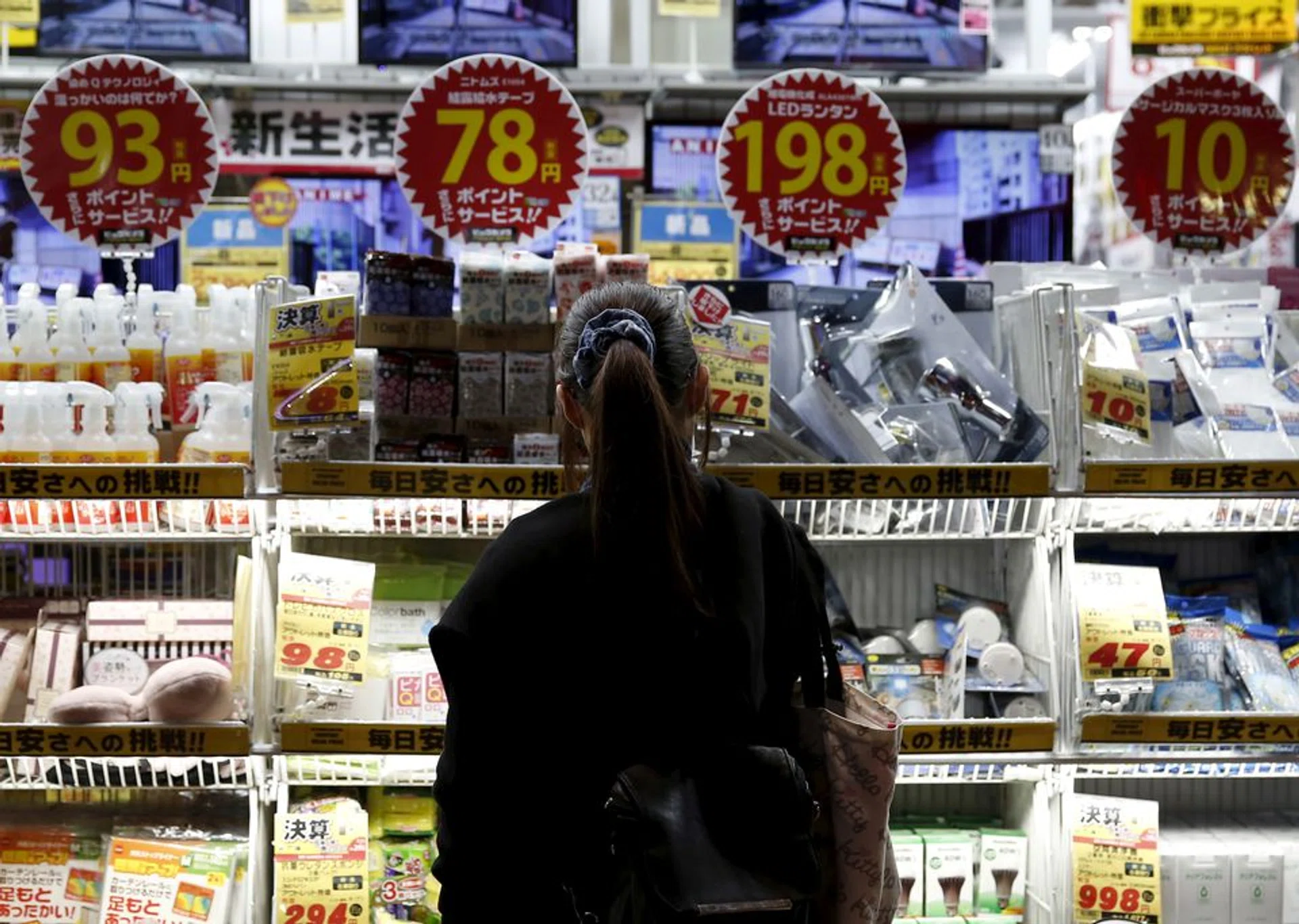
[TOKYO] Japan’s wholesale prices rose 2.7 per cent in the year to September, data showed on Friday (Oct 10), holding steady from the previous month in a sign of persistent cost pressure that will likely keep the central bank under pressure to raise still-low interest rates.
The yen’s recent sharp falls, triggered by receding market bets of a near-term rate hike by the Bank of Japan (BOJ), could also drive up inflation by causing a renewed increase in import costs, some analysts say.
Persistent inflation would add to headaches for Japan’s new ruling party chief Sanae Takaichi, who has pledged to curb rising living costs upon becoming the next prime minister.
“We are starting to see a negative cycle in which the BOJ’s slow pace of rate hikes is depreciating the yen and pushing up the cost of living,” said Izuru Kato, chief economist at Totan Research.
The rise in the corporate goods price index (CGPI), which measures the price companies charge each other for their goods and services, exceeded market forecasts for a 2.5 per cent increase and followed a 2.7 per cent gain in August.
The yen-based import price index fell 0.8 per cent year on year in September, a much slower pace than a 3.9 per cent decline in August, the data showed.
BT in your inbox

Start and end each day with the latest news stories and analyses delivered straight to your inbox.
Food and beverage prices rose 4.7 per cent in September from a year earlier after a 4.9 per cent increase in August.
Agricultural goods prices, which include the cost of rice, rose 30.5 per cent in September, slowing from a 41 per cent surge in August.
“We expect wholesale inflation to stay above 2 per cent for the time being” with prices continuing to rise for food and energy, said Yutaro Suzuki, an economist at Daiwa Securities.
SEE ALSO


The wholesale price data is among the factors the BOJ scrutinises as a leading indicator of consumer inflation, which is the central bank’s main gauge in setting monetary policy.
While the BOJ expects food inflation to moderate in the coming months, such a projection may come under doubt if the yen keeps sliding and pushes up the cost of importing raw material.
The yen was set for its steepest weekly drop in a year on Friday after Takaichi’s surprise victory in a ruling party race led to receding expectations of a near-term rate hike.
A proponent of expansionary fiscal and monetary policy, Takaichi has stressed the need to focus on reflating the economy. She also said her immediate priority would be to compile a package of steps to cushion the blow to households from rising living costs.
The BOJ exited a decade-long, massive stimulus last year and raised interest rates to 0.5 per cent in January on the view that Japan was on the cusp of sustainably achieving its 2 per cent inflation target.
While consumer inflation has exceeded 2 per cent for well over three years, Governor Kazuo Ueda has stressed the need to move cautiously in hiking rates further to ensure price rises are driven by solid domestic demand rather than raw material costs. REUTERS
