


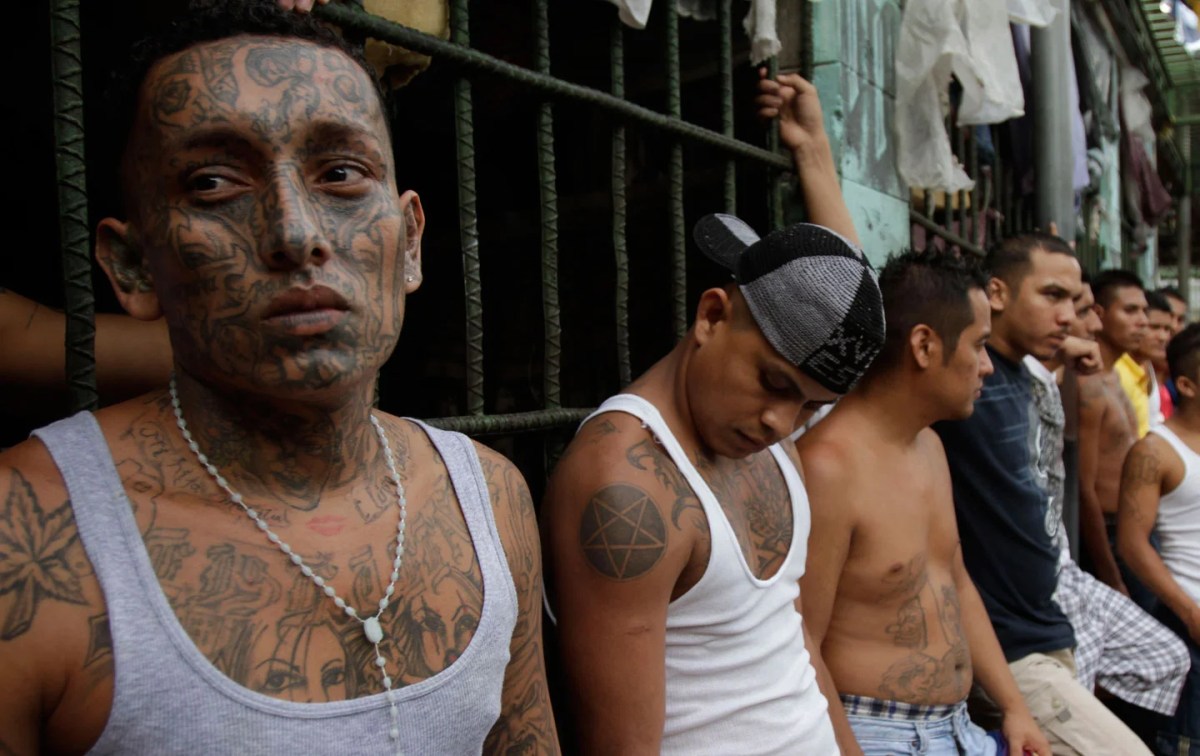

Step into the heart of Bogotá, and you’ll find a story that turns the usual narrative of the war on drugs upside down. El Bronx, once the largest open-air drug market in Colombia—the world’s top cocaine producer—was more than just a hotspot for crack users. It was a high-tech center where drug dealing, prostitution of minors, kidnapping, and an open market in fence merchandise all converged, fueling a shadow economy that extended into thousands of lives. But what specifically set El Bronx apart was not the size of its criminal enterprise—it was the manner in which criminal authority and state authority merged, often rendering it indistinguishable between lawmen and lawbreakers.

For decades, El Bronx possessed a unique social order of its own. There were gangs, or ganchos, that ruled, but they did not have a totalitarian grip. Rather, game rules were continually negotiated by criminals, cops, and social workers. The ganchos governed the sale of drugs, maintained their own form of order, and even dispensed street-level justice of a sort. Their protectors, the sayayines, maintained peace—peace at least in the market—while homeless residents were openly strong-armed into employment as lookouts, guides, or messengers. The market itself was available to everybody but was “open to the city and closed to the state,” social workers in the field reported.

The reason this system was so resilient was that there were state-licensed protection rackets. With the research of El Bronx, not only did police forces close their eyes to the operation of the market, but they also became actively involved in the business, sharing secrets regarding future crackdowns, coordinating protection agencies, and even carrying out brutality on vulnerable victims on behalf of area hoods. This was not entirely corrupt; it was a shared rule system, with the state and criminal groups each contributing to governing the city’s underworld.

But that is not where the story ends, with how things stood. In 2016, the Colombian government introduced an ambitious intervention designed to break up El Bronx. This was not the classic zero-tolerance crackdown. Rather, the focus was on safeguarding vulnerable neighborhoods, taking back territory, and restoring the community. The reaction was therapeutic: instead of arresting all the perpetrators, officials focused on the most destructive players—those who committed violence and people trafficking. The real tipping point was when corrupt police officers complicit in the protection rackets were arrested, skeletonizing ganchos inside the state.

When over two thousand units descended, the market was closed down, and over a hundred teenagers were freed from exploitation. But some consequences were not so straightforward. The ganchos adjusted in the blink of an eye, transforming from population control to population control to control of the territory. Once the physical market was lost, cities turned to social control—using disciplinary violence on ex-clients who purchased drugs from other consumers, and consolidating their activity in underground locations such as trap houses and all-night stays. The city lost mass concentrations of drug consumers, but new ones appeared in their stead, usually in even more dangerous environments.

It was here that therapeutic policing was to intervene. Instead of relying exclusively on punishment, Bogotá’s administration combined police forces with social workers and involved homeless drug users in a combination of counseling, shelter, and harm reduction services. The aim was to undermine the criminal gangs’ grip on communities by linking social need to public policy, instead of merely shoving people from corner to corner. It was a delicate art of balance—exert too much pressure and vulnerable populations would further go underground, and insufficient pressure might allow criminal control to reassert itself.

The El Bronx experience confirms that urban peace-building within illicit economies is neither fighting an infinite war nor playing dumb. It’s a matter of grasping the intricate interplays between state institutions, criminal groups, and those in between. Occasionally, the state and crime are not necessarily enemies; they are co-producers of a negotiated, fragile order. To shatter that order takes more than violence—it takes flexibility, situationality, and a stake in marshaling security in the cause of social aid.

For those cities facing the same problem, the El Bronx story is simple: Urban peace is not so much shutting down illicit markets or imprisoning thugs. It is creating new forms of street-level governance, where cops, social workers, and citizens have a stake. And sometimes the best way to combat crime is to care, not just punish.
