


Transactions are up sharply even as the average ticket size dips, suggesting consumers are crossing the Causeway more often and buying more frequently
[SINGAPORE] Singaporeans are swiping their cards more often across the Causeway, turning Johor into a second home for dining, shopping and everyday hauls.
Fresh figures from UOB show that Johor accounts for nearly half of all credit card spend by its Singapore customers in Malaysia in the first half of 2025.
Transactions are up sharply even as the average ticket size dips, suggesting consumers are crossing more often and buying more frequently – whether for hotpot, groceries or clothes.
UOB’s internal data showed that 80 per cent of trips to Johor by its Singapore-issued cardholders in H1 2025 were day trips, with each cardholder spending more than S$100 on average, said Jacquelyn Tan, the lender’s head of group personal financial services.
She was speaking in Johor Bahru at the launch of UOB’s cross-border rewards redemption programme, which for the first time allowed Singapore-issued cardholders to redeem bill offsets in Johor.
Here are five takeaways from the data:
BT in your inbox

Start and end each day with the latest news stories and analyses delivered straight to your inbox.
1. Dining takes the cake
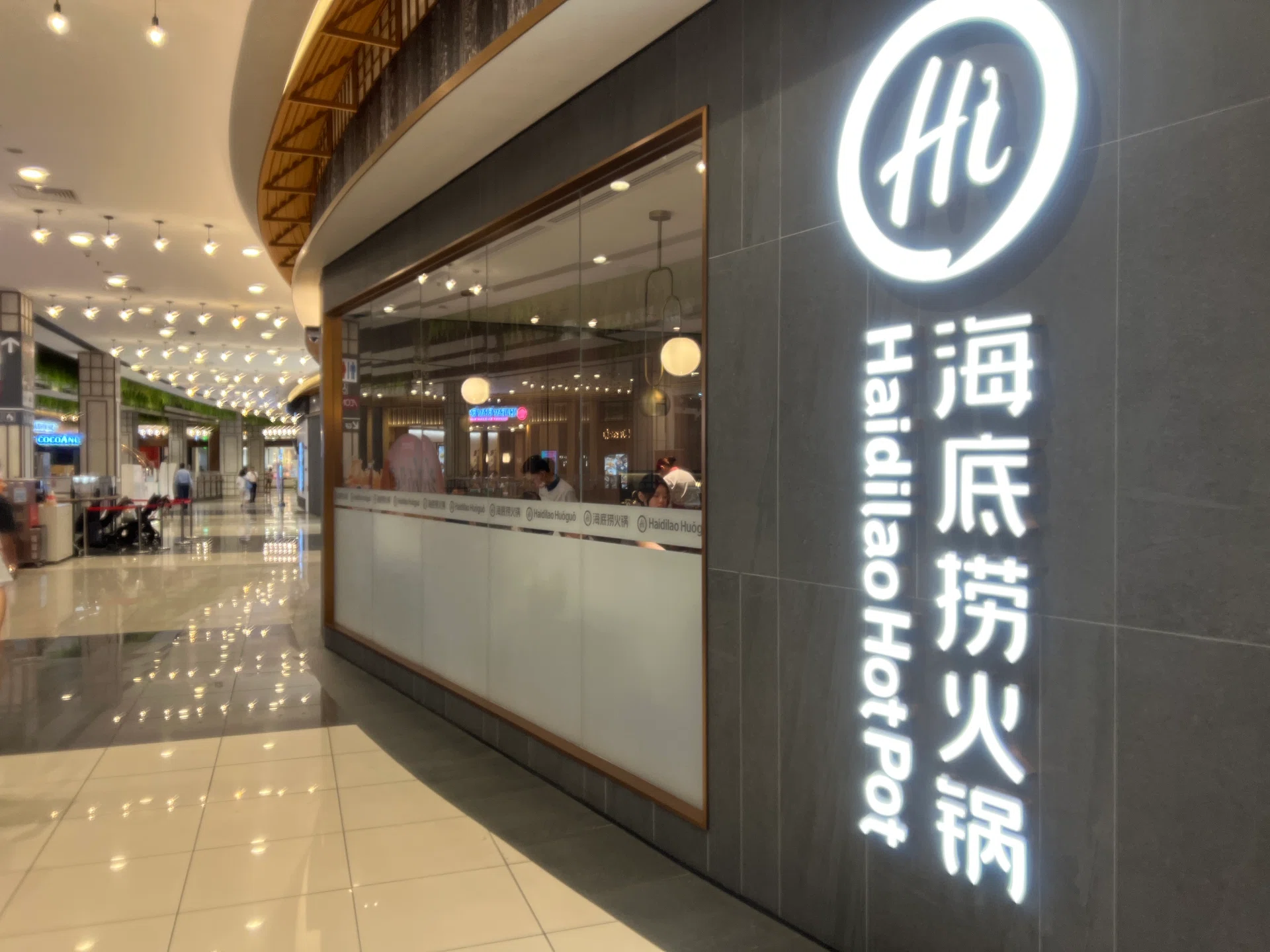
Dining out remains the single biggest category, making up about 15 per cent of all Johor billings from 2023 to H1 2025. Hotpot chains such as Haidilao and Chi-Gui Mala Hot Pot, along with local favourite Grand Bayview Seafood Restaurant, were perennial crowd-pullers.
2. Supermarket runs
Groceries come next, accounting for 10 per cent of Johor spend in H1 2025. Supermarket names familiar to Singapore shoppers – Aeon, Giant and Jaya Grocer – populated the list.
3. Fashion finds
Apparel ranked third, taking up 9 per cent of spend in H1 2025. Uniqlo and Lululemon stood out, while children’s label Little Genius rounded out the mix.
SEE ALSO


4. Smaller tabs, bigger volumes
From 2022 to 2024, the average Johor transaction size slipped. But that has been offset by a surge in activity: the number of transactions trebled in that period, then jumped a further 50 per cent year on year in H1 2025.
5. Johor leads the pack
Overall, spending by Singapore UOB cardholders in Malaysia climbed about 40 per cent annually between 2022 and 2024, with another 20 per cent year-on-year growth in H1 2025. Johor alone logged 60 per cent annual growth from 2022 to 2024, making it the undisputed top city for cross-border spending.
