

Close Menu

    Subscribe to Updates

    Get the latest creative news from FooBar about art, design and business.

    What's Hot

    Tennessee redistricting plan splits Memphis neighbors and reshapes midterms as other states follow

    Operators of critical services in Singapore must urgently raise defences amid AI threats: Shanmugam

    Denon Home series speakers review: Siri & superior sound

    Facebook X (Twitter) Instagram
    Facebook X (Twitter) Instagram Pinterest VKontakte
    Sg Latest NewsSg Latest News
    • Home
    • Politics
    • Business
    • Technology
    • Entertainment
    • Health
    • Sports
    Sg Latest NewsSg Latest News
    Home»Technology»Eggs fertilised with material from human skin cells for first time | Science, Climate & Tech News
    Technology

    Eggs fertilised with material from human skin cells for first time | Science, Climate & Tech News

    AdminBy AdminNo Comments2 Mins Read
    Facebook Twitter Pinterest LinkedIn Tumblr Email
    Share
    Facebook Twitter LinkedIn Pinterest Email


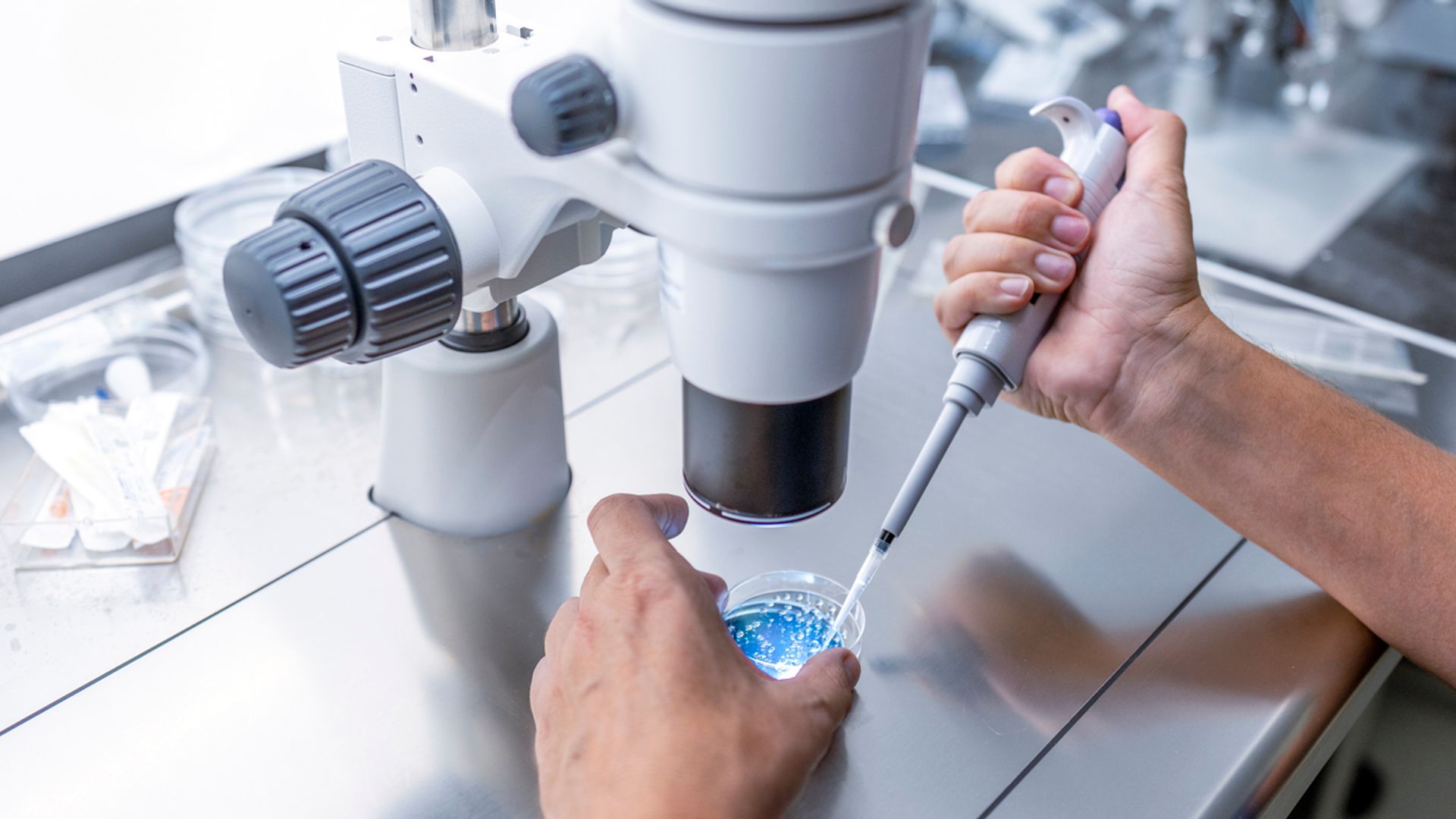
    Scientists have found a way to fertilise eggs made from the genetic material of human skin cells.

    It could one day lead to the creation of egg or sperm-like cells for people who are struggling to conceive.

    The emerging process is called in vitro gametogenesis (IVG) and involves reprogramming skin cells to make them a type of stem cell.

    Researchers say it has “immense therapeutic potential” for people who don’t have viable sperm or eggs.

    It works by taking the nucleus – the part of the cell that stores the genetic material – from a person’s skin cells. These are then implanted in an egg with its nucleus removed – called somatic cell nuclear transfer.

    However, cells made this way would mean a fertilised egg has too many chromosomes. A method to remove the extra set had been studied in mice, but not with human cells.

    In the new research, US scientists conducted a process they have called mitomeiosis that mimics natural cell division and causes one set of chromosomes to be discarded.

    This leaves a healthy cell that can be fertilised.

    Eighty-two developing eggs – known as oocytes – were fertilised with sperm in a lab using this method – and one in 10 went on to the stage where cells rapidly divide about six days later (the blastocyst stage).

    This is when they would usually be transferred to the uterus in IVF treatment.

    Read more from Sky News:
    ‘80%’ of ransomware victims pay up, insurer says
    Driverless car makes illegal U-turn and can’t be given a ticket

    Experts in the UK said it was exciting work but stressed more research was needed.

    Ying Cheong, a professor of reproductive medicine and consultant at the University of Southampton, called it an “exciting proof of concept”.

    “For the first time, scientists have shown that DNA from ordinary body cells can be placed into an egg, activated, and made to halve its chromosomes, mimicking the special steps that normally create eggs and sperm.”

    The professor said it could one day transform the understanding of infertility and miscarriage and “open the door to creating egg or sperm-like cells for those who have no other options”.

    Richard Anderson, professor of clinical reproductive science at the University of Edinburgh, said it showed “genetic material from skin cells can be used to generate an egg-like cell with the right number of chromosomes to be fertilised and develop into an early embryo.”

    Share. Facebook Twitter Pinterest LinkedIn Tumblr Email
    Admin
    • Website

    Related Posts

    Denon Home series speakers review: Siri & superior sound

    Google settles racial discrimination lawsuit for $50 million

    Access Denied

    More people are using AI for retirement planning, but how accurate is it? Here’s what experts say.

    Add A Comment
    Leave A Reply Cancel Reply

    Editors Picks

    Electrical fire to keep theater that hosts ‘The Book of Mormon’ closed through May 17

    The 2026 Grammy Award nominations are about be announced. Here’s what to know

    Disease of 1,000 faces shows how science is tackling immunity’s dark side

    Judge reverses Trump administration’s cuts of billions of dollars to Harvard University

    Top Reviews
    9.1

    Review: Mi 10 Mobile with Qualcomm Snapdragon 870 Mobile Platform

    By Admin
    8.9

    Comparison of Mobile Phone Providers: 4G Connectivity & Speed

    By Admin
    8.9

    Which LED Lights for Nail Salon Safe? Comparison of Major Brands

    By Admin
    Sg Latest News
    Facebook X (Twitter) Instagram Pinterest Vimeo YouTube
    • Get In Touch
    © 2026 SglatestNews. All rights reserved.

    Type above and press Enter to search. Press Esc to cancel.